
Imagine receiving your first credit card and thinking about all the things you can finally buy. Maybe it’s the phone you’ve been eyeing, a weekend getaway with friends, or something you’ve been saving up for.
With a quick swipe or tap, it’s yours. The thought alone is exciting, but it also raises a question you might not have considered: How will that purchase fit into your budget when the bill arrives?
That’s the thing about having your first credit card. It gives you more flexibility with your spending, but it introduces new obligations that can catch you off guard if you’re not prepared.
Fortunately, with a few practical habits and a system that works for you, you can enjoy the convenience of your card while keeping your budget firmly under control. Here are several ways to help you get started:
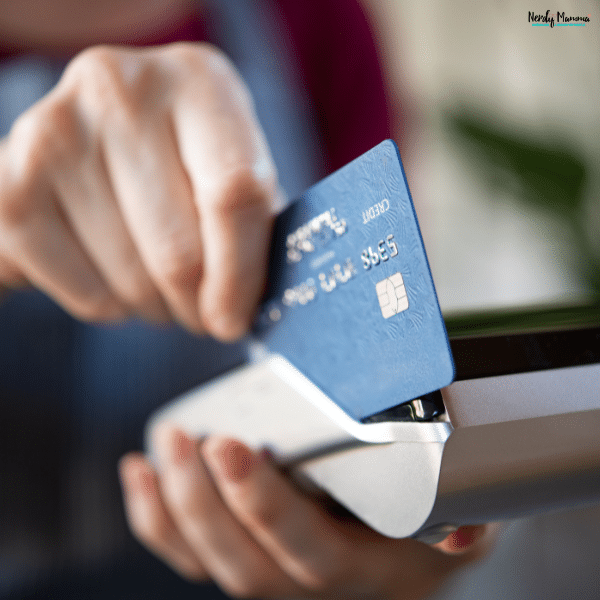
1) Start with Your Budget, Not Your Credit Limit
When comparing a credit card Philippines banks offer, it’s easy to get drawn to the size of the credit limit. A higher number can feel like permission to spend more, especially when you’re just starting out. But that figure is simply the maximum the bank is willing to lend, not an estimate of what fits into your personal budget.
Before making your first purchase, take a look at your monthly take-home pay. Subtract essentials like rent, utilities, and debt payments, then set aside what you’ve committed to savings. Whatever remains is your pool for discretionary spending, and that’s where card purchases should fit.
Say you have PHP 6,000 available for flexible spending each month. If you charge PHP 4,000 worth of meals and shopping, that money is already spoken for, even if your checking account balance looks untouched. The safest mindset, then, is to treat every card purchase as money spent today, even if the bill won’t arrive until later.
2) Give Your Card a Job
Your first card doesn’t have to pay for everything. In fact, assigning it a specific role can make your finances easier to manage while keeping your spending predictable.
One simple approach is to use it for familiar expenses like your phone bill and groceries. Because you already know roughly what those costs will be, tracking them on the card feels straightforward. Once you’re comfortable monitoring those charges, you can decide whether other purchases belong there too.
This strategy also helps unusual spending stand out. If your card is meant to handle recurring bills, for instance, an unplanned shopping purchase is easier to spot and avoid repeating.
And if you’re hoping to benefit from rewards, let them follow the role you’ve already set. Points or cashback can be a nice bonus, but they lose their appeal quickly if you pay interest or buy things you never intended to purchase.
3) Make the Statement Date Work for You
Two dates matter when you use a credit card: the statement date and the payment due date. The first marks the end of a billing cycle and determines which transactions appear on your statement, while the second tells you when payment must reach the issuer.
Knowing these dates helps you plan ahead. Check both in your banking app or card agreement, then set a reminder a few days before payment is due. This gives you extra time in case processing takes longer than expected.
Whenever possible, pay your full statement balance by the due date. While paying only the minimum can keep your account current, carrying an unpaid balance may result in interest charges that make your purchases more expensive.
To make repayments easier, set aside money for each purchase as soon as you make it. That way, when your statement arrives, you’ll already have the funds ready to cover what you owe.

4) Build a Simple Tracking Habit
Keeping track of credit card spending doesn’t require an elaborate spreadsheet. A quick review once or twice a week can be more useful than a complicated system you’ll abandon after a few days.
Start by scanning recent transactions in your card app and comparing them with your spending plan. This can help you spot patterns, such as delivery orders adding up or a subscription renewing sooner than expected.
To keep your spending in check, ask yourself before any nonessential purchase: “Would I still buy this if the money left my account right now?” If the answer is no, give yourself a day to think about it.
For extra clarity, keep a running note of your card spending alongside the transactions shown in the app. The app records your charges, while your note helps you see how they fit into your budget. Together, they make it easier to spot overspending before it becomes a problem.
5) Let Your System Grow with You
After a few billing cycles, you’ll start to recognize your own patterns. Maybe you’re excellent at managing recurring bills but tend to overspend during online sales. That’s useful information you can put to work.
Use those insights to adjust your system. Perhaps you can lower your personal spending cap. Or maybe shift tempting purchases back to your debit card. Either way, your setup should be simple enough to follow even on a busy day, not just when you’re feeling motivated.
In the end, using your first credit card well isn’t about proving you can handle a large limit. It’s about building a routine in which every charge has a place, every bill has a plan, and you remain the one making the decisions. That’s the real financial milestone.
