
Does it seem like your child is showing less interest in school, becoming easily annoyed, or constantly feeling tired? The pressure to perform academically can have a serious impact on kids, especially when study time leaves very little room for other activities.
According to the CDC, only 24% of US high school students get at least eight hours of sleep on a typical school night. This highlights how easily students’ wellbeing can be overlooked
Fortunately, parents can help their children properly balance their lives before the stress gets too high. Below are practical tips that parents can apply to ensure that their children don’t struggle with academic burnout.
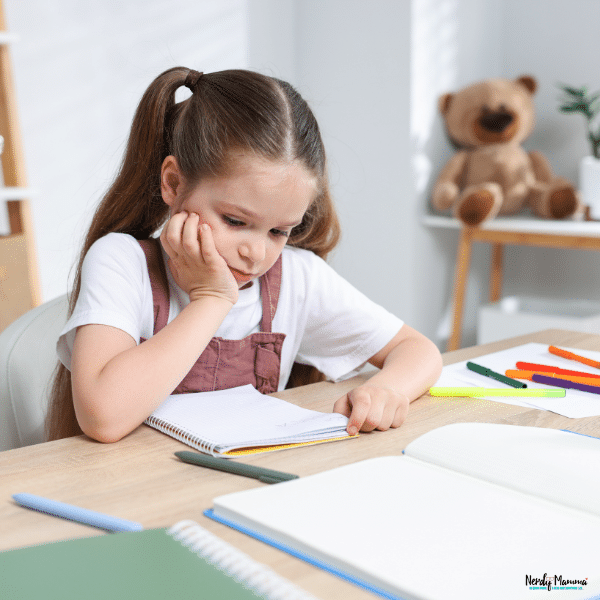
Know How to Identify the Signs of Academic Burnout
Academic burnout does not happen suddenly. Changes in your child’s mannerisms can be the first signs of their distress. It could be your child, who once happily went to school every day, now complains about doing homework or resists waking up in the morning.
You may notice that your child is becoming moody and uninterested in their regular activities or even unable to concentrate on simple things. Look out for signs like headaches, anxiety, and sleeping problems.
Rather than concluding that your child is simply naughty or difficult, try to pay attention to their well-being.
Make It Easy for Your Child to Talk About School Stress
In some cases, children may live through difficult situations quietly and with the apprehension of letting their parents down. Their hesitation could come from being afraid of being labelled as losers because of their poor performance at school.
Keep in touch with your kids about their school matters and express interest in their concerns. Help them speak about their feelings without worrying about the consequences.
Create Healthy Limits Regarding Education
Given the amount of time children are spending on studies, assessments, quizzes, and extracurricular activities, they hardly have any downtime.
Make sure to help children with time management by scheduling their activities in such a manner that they have sufficient rest time. For instance, instead of studying for long, kids can complete their projects in small segments of time.
Besides, it is also important to have a cutoff time for homework that helps kids finish their tasks at a reasonable time every day. It is not a good idea to overload kids with supplementary classes in all their free time after school.
They should have enough personal time to play, meet with peers, and pursue their hobbies. These activities are not obstacles but rather essential elements of growing-up and leading a proper lifestyle.
Prioritize Sleep
During periods of school-related pressure, it is not unusual for students to give up sleep. In fact, they might spend the entire night doing schoolwork, studying for tests, or even updating their social media pages instead of resting.
However, when sleep deprivation happens regularly, it is difficult to stay focused and learn. Understanding why students need better sleep can help moms understand the need to establish a bedtime routine.
Children aged 6-12, for example, require a sleep duration of 9 to 12 hours, while teenagers aged 13-18 should sleep for about 8 to 10 hours a night.
Parents can help their children learn how to have better sleep by setting precise sleep time rules, restricting the usage of electronic devices in bed, and creating a comfortable and quiet sleeping environment in the bedroom.

Promote Activities That Enable Relaxation
Children should have more than just their homework to look forward to all the time. After a while, even the classes and games they love can become monotonous.
Help your child choose activities that really excite them, including soccer, arts and crafts, salsa, music or meeting friends. Also, come up with a fun family tradition. You could go for a walk once in a while, cook together, play board or card games or arrange family trips.
Get in Touch with Teachers When Needed
Sometimes, academic burnout comes from issues at school that need to be addressed with someone other than the parent. Your child could be struggling with the following:
- Difficulties with a subject they are studying in school,
- Problems with workloads,
- Bullying by peers
When you see that stress is interfering with your child’s life, it is advisable to speak with teachers or a school counsellor. They may help you identify the problem and fix it.
If your child continues feeling anxious, sad, having trouble sleeping, or withdrawing from the things they used to enjoy, you may have to consult a mental health practitioner.
Make Learning Fun for Your Child
While it is important to have good grades, it should not tip the balance between the child’s well-being and happiness. Kids require more than just education. They also need good sleep, a chance to relax, emotional support, and freedom to be young.
As a mother, you can achieve this by identifying the symptoms of burnout, having realistic expectations from your child, and creating a space where the child feels at ease talking about the issue.
Keep in mind that the purpose is never to produce a child who studies every waking hour, but to ensure that the child enjoys school.
