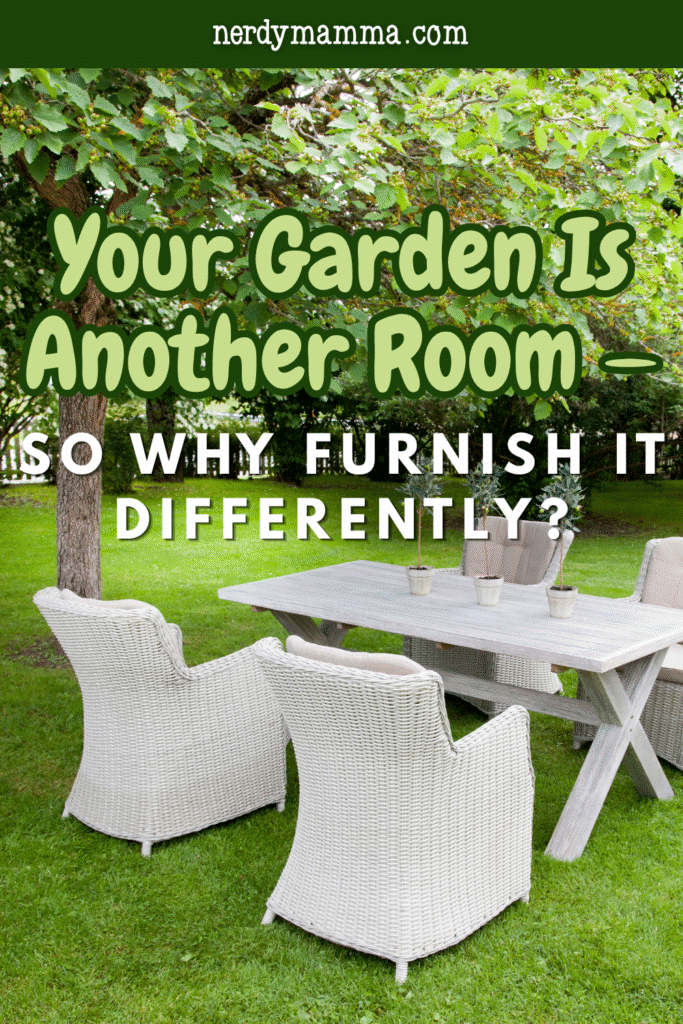
For years, gardens were treated as purely practical spaces: somewhere to hang washing, grow herbs, or wheel out a plastic table when the weather allowed. That view is changing.
As homes have had to work harder—hosting, relaxing, dining, exercising, and accommodating work—outdoor areas have become an extension of the rooms inside them.
The most successful gardens now feel less like a separate territory and more like a continuation of the home. They have a purpose, a point of view, and somewhere comfortable to sit.
Yet many people still approach outdoor furniture as a temporary purchase: something inexpensive, weather-resistant, and easy to store. The result is often a patio that feels disconnected from the care taken indoors.
If the garden is another room, it deserves the same thoughtfulness in how it is planned and furnished.
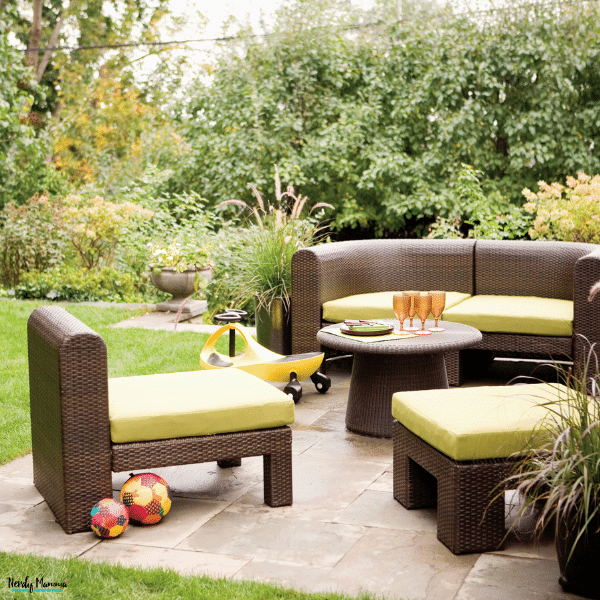
Start With How You Want to Use the Space
Before choosing a dining set or scattering cushions across a bench, consider what the garden needs to do. This sounds obvious, but it is where many outdoor spaces go wrong. Furniture is often bought first and purpose decided later.
A compact courtyard may work best as a quiet morning-coffee spot rather than an ambitious dining area. A larger lawn might need distinct zones: one for meals, one for reading, and another for children or informal gatherings.
Even a narrow balcony can become a useful retreat with a small bistro table, two comfortable chairs, and lighting that makes it inviting after sunset.
Indoor rooms are usually planned around behaviour. A living room encourages conversation; a dining room supports shared meals; a bedroom is designed for rest. The same principle applies outside. Ask a few practical questions:
- Do you picture long summer lunches or quick weekday dinners?
- Is the space primarily for two people, a family, or frequent guests?
- Does it receive strong sun, wind, or little natural shelter?
- Will furniture remain outdoors all year?
- What view do you want to face when sitting down?
The answers will help determine not only the scale of the furniture, but its material, layout, and level of comfort.
Comfort Is What Turns a Patio Into a Room
A garden chair should not merely be a place to perch. If it is uncomfortable after twenty minutes, the space will be used less often than you expect. This is why the “temporary” mindset around outdoor furniture can be false economy.
Thin cushions, unstable tables, and undersized seating quickly undermine even the best planting scheme.
Choosing high-quality furnishings for outdoor spaces is less about creating a showpiece and more about making the garden genuinely usable.
Deep seating, supportive cushions, appropriately sized tables, and durable frames all change how long people stay outside—and how naturally the space becomes part of everyday life.
Think about proportions in the same way you would indoors. A large corner sofa can overwhelm a small terrace, while a tiny table in a generous garden may look adrift and fail to accommodate guests.
Leave room to move around chairs, open doors, and access planting beds. A clear route through the space matters as much outdoors as it does in a hallway.
Create Continuity Rather Than a Perfect Match
Your garden does not need to replicate the interior of your house. In fact, it should not. Outdoor materials have different demands, and the setting itself brings colour, texture, and movement that no indoor room can match.
What matters is visual continuity. This may come through a repeated colour palette, similar shapes, or an echo of materials used indoors. A home with warm timber floors and soft neutral textiles might suit teak furniture, stoneware planters, and linen-look cushions.
A more contemporary interior could be carried outside with powder-coated metal, clean-lined seating, and restrained shades of charcoal, olive, or sand.
Use Layers to Make the Space Feel Settled
The most welcoming outdoor rooms tend to be layered rather than simply furnished. Start with the larger pieces—dining table, sofa, loungers, or bench—then add elements that make the area feel intentional.
An outdoor rug can define a seating area on paving or decking. Cushions bring softness and allow seasonal colour changes without replacing major pieces. Planters can act as gentle boundaries between zones, particularly in open gardens where a dining area might otherwise feel exposed.
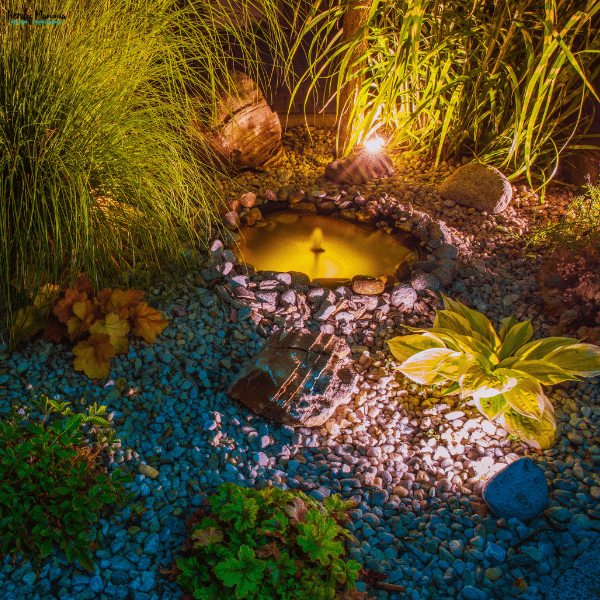
Lighting is equally important: a string of warm lights, a pair of lanterns, or low-level solar lamps can shift the mood from practical to inviting.
These details are not frivolous. They provide the visual cues that tell us a space is meant to be inhabited.
Choose Materials for Real Life, Not Just Sunny Photographs
Outdoor furniture has to contend with rain, UV exposure, pollen, spilled drinks, and fluctuating temperatures. Material choice should reflect your local climate and the amount of maintenance you are realistically prepared to do.
Natural wood develops character over time, but it may require treatment to retain its original colour. Aluminium is lightweight, rust-resistant, and well suited to contemporary settings.
Synthetic weave can offer the relaxed look of rattan with greater weather resistance, while steel provides strength but needs a protective finish to prevent corrosion.
Cushions deserve special attention. Removable, washable covers are useful, but “showerproof” does not mean indestructible. Storing cushions in a dry box or indoors during persistent rain will extend their life considerably.
Furniture covers can help too, provided they are breathable; trapping moisture against a surface can cause as many problems as leaving it exposed.
Let the Garden Change With the Seasons
A good outdoor room should not disappear the moment summer ends. It may be used differently in spring and autumn, but that does not mean it has failed. A sheltered bench in March, a fire bowl on a cool September evening, or a dining table dressed with candles can extend the season considerably.
The goal is not to force year-round outdoor living in every climate. It is to make the garden easy to enjoy whenever conditions allow. When the furniture is comfortable, well placed, and aligned with the way you live, stepping outside stops feeling like an occasion.
It simply feels like moving from one room to another.