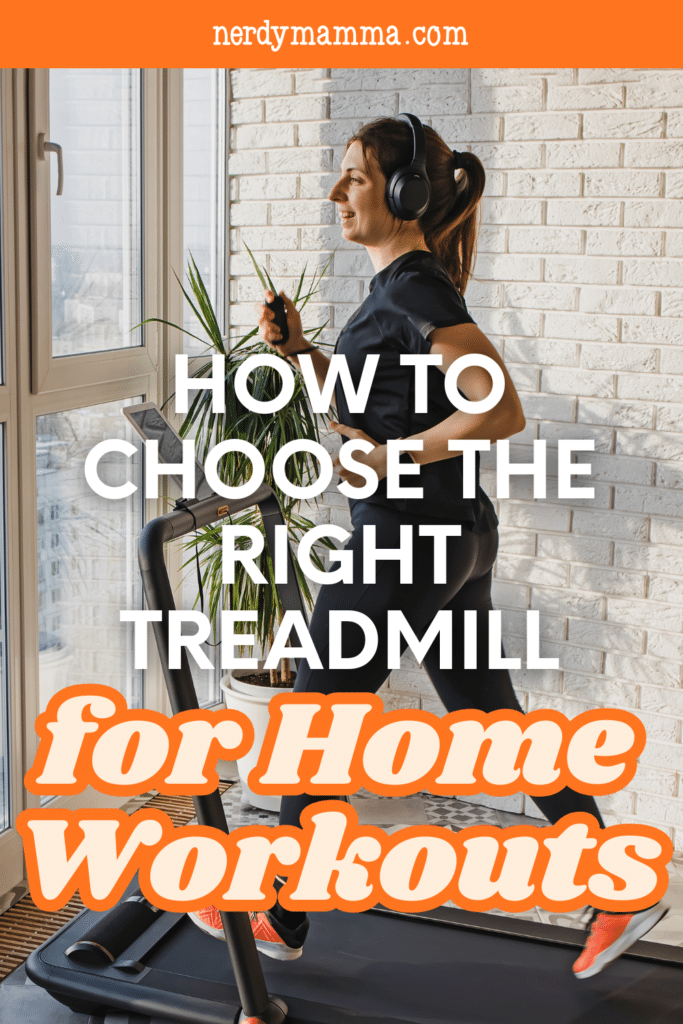
Setting up a home gym can seem like an easy way to take a step to better fitness, and the decision to have one frequently comes attached with suggestions for a treadmill.
But there are so many treadmills that it can be hard to sort out which one is right for your home and routine. Let’s discuss what to look for so that you can find a treadmill that jibes with your space and follows the style of training you prefer.

Start by Measuring Your Space
Before you shop, calculate that area out, and give yourself a bit of breathing room around it so you can navigate comfortably and safely.
Once you are aware of how much space you can actually work with, the decision between a full-sized model and a compact-sized one will be easier.
For small spaces, a folding treadmill for homes is ideal because you can fold it up and out of the way after you’re done using it.
Think About Your Fitness Goals
Are you walking a few times a week, or running every day, or mixing in some sprints? If you’ll predominantly be walking, a lighter treadmill with a smaller motor is adequate.
But if you are going to be logging some serious miles, you’ll want a machine with a powerful motor and a longer running belt. Picking according to your workout preferences will help you get the most out of your treadmill for years.
Understand Motor Power
By the standards for home use, you’ll need a motor that runs with at least 2.0 continuous horsepower (CHP) to walk and 2.5 to 3.0 CHP to run. Keep in mind that a stronger motor doesn’t just take to tougher workouts better; it’s also quieter and should last longer.
You will feel the difference if you train often in the early morning before other housemates are awake, or prefer a quiet homework setup.

Look for Good Cushioning
Running on hard surfaces every day can take a toll on your joints, especially your knees and ankles. Good treadmills have built-in shock absorption systems that soften each step, helping reduce impact and prevent strain.
Some even let you adjust how firm or soft the deck feels. This feature is great if you run often or have had joint issues before, since it helps make every workout more comfortable and safer.
Check the Belt Size and Length
Take note that if you’re predominantly a walker, a belt around 130 can tend to be about right. But if you’re taller or want to run, aim for 145 cm in length so you don’t feel crowded.
The belt should also be the right width so that you can walk naturally without fear of stepping off the sides. If you can, test out a few treadmills in stores before purchasing; it’s the best way to discover what feels good for you.
Choose Easy Controls and Useful Features
Modern treadmills now come with digital displays, preset programmes, and fitness apps that track your progress. Some models even let you connect your phone or tablet so you can play your favourite music.
While these extras can make workouts more fun, go for features that actually fit your routine. Simple controls often make daily workouts easier than machines overloaded with buttons you’ll never use.
Finding the Perfect Fit for Your Home
Choosing the best treadmill for your home isn’t just about picking the fanciest one or finding the biggest discount.
By considering your room size, workout style, and preferred features, you’ll end up with a treadmill that makes staying active easy and enjoyable.
Whether you’re walking to stay active or training hard for long-distance runs, the right treadmill can turn your living space into your personal fitness zone.