
Concrete septic tanks are widely used for homes, public buildings, and rural structures to deal with wastewater. It has the advantages of durability and resistance to environmental pressure, both of which make it a long-term investment in almost any circumstance.
Their high strength also helps prevent shifts like other materials might experience when subjected to heavy loading over time or vibration from traffic on roads nearby, and so forth now balances them again: it saves you rebuilding every few years, come hell or high water.
The larger the septic tank, there will be less maintenance, the more efficient the wastewater treatment and the more it will comply with local regulations. Here is a guide to help you select durable concrete tanks for long-term use.

Understand Your Wastewater Needs
Locate the Wastewater needs first in your estate before planning to put in a new septic tank. Consider how many populations are there on average, how much water an individual typically uses each day and whether there is any commercial or industrial demand as well.
Larger families or estates with especially high water consumption demands need larger septic tanks in order to absorb greater sewage flow, while smaller residences just may need normal-sized ones.
An accurate assessment ensures that your septic system works efficiently and can prevent overflow and backups.
A professional site visit with full septic service offerings can confirm your daily flow estimates and flag issues before you commit to a tank size. That upfront check reduces the risk of costly adjustments after installation and keeps the system running smoothly.
Choose the Right Concrete Quality
The most crucial factor affecting durability is the quality of concrete used. Look for reinforced, high-strength concrete resistant to cracking, water penetration and soil pressure.
Precast-concrete tanks offer consistent quality and robustness, while on-site-poured versions may differ in quality depending on workmanship.
Make sure the concrete meets local building standards and is treated to resist corrosion from environmental factors and wastewater alike.
Assess Structural Design
Concrete septic tanks actually have a selection of different designs, including single-chamber, double-chamber and multi-chamber units.
Multi-chamber designs work well for larger families. They improve how efficiently the tank treats and clears wastewater.
When choosing a tank, look at wall thickness, lid strength, and internal reinforcement. These features help the tank handle soil pressure and vehicle loads when buried.
Evaluate Installation and Accessibility
Proper installation is crucial for long term functionality. Prefab tanks are faster and easier to install than custom in-situ tanks. Custom options may offer more control over installation timing.
Make sure the site is level and properly drained to avoid settling, cracking or other damage later on.
Accessibility for maintenance, inspection and pumping needs to be considered. Convenient places have removable lids to simplify routine service tasks and access points easy to see.
Consider Environmental and Regulatory Compliance
Local environmental rules and codes must be complied with by all concrete septic tanks. Check to make sure the tank meets approval requirements for capacity, design and materials.
Compliance ensures safe water disposal, lowers environmental impact and avoids fines or legal problems.
Plan for Maintenance
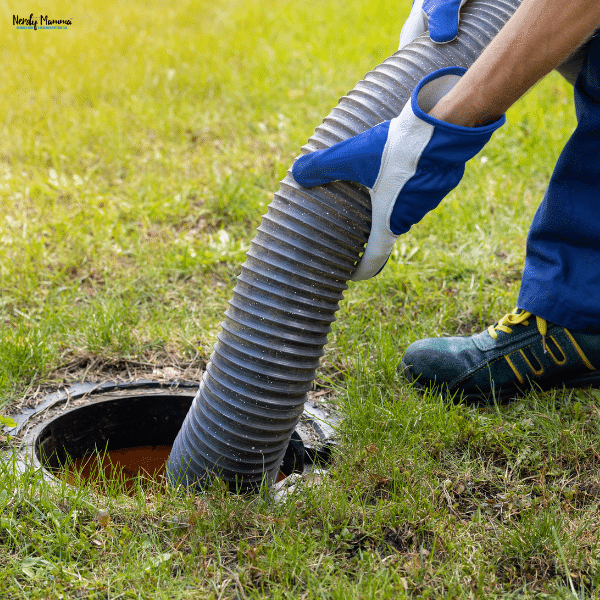
Durable concrete tanks require little maintenance but need to be inspected and pumped regularly. Choose a design of tank that allows easy removal of sludge and observation of the system.
Regular maintenance prolongs service life, prevents blockages and ensures everything is operating in proper condition.
Check Warranty and Supplier Reputation
Warranty coverage and a reputable supplier can provide customer support quality assurance. Check the company’s experience with concrete septic tanks. Make sure they offer guidance on proper installation and long-term care.
Invest in Long-Term Performance
Selecting the right concrete septic tank involves evaluating capacity, concrete quality, and structural.
Choosing the right concrete septic tank involves more than just size. You need to consider concrete quality, design features, and installation needs. Make sure the tank meets all local codes and regulations. Regular maintenance is also essential.
A well-made tank helps manage wastewater more efficiently. It reduces long-term costs and stays durable in changing conditions.
High-quality concrete tanks protect your property and support the environment. They also offer peace of mind with reliable, low-cost sanitation for years.