
Skincare routines can feel like an endless cycle of trial and error. You buy the newest serums, vow to do elaborate multi-step regimens and still those stubborn dark spots, pitted acne scars and enlarged pores refuse to move.
The truth is, your favorite topical products can only do so much because they mostly sit on the surface layer of your skin. They serve as a temporary band-aid, rather than addressing structural concerns.
Your skin is actually crying out for a totally different approach to healing, renewal, and rejuvenation deep down under the surface. It wants a treatment that works at a high-performance cellular level but not with widespread surface destruction.
This is where the revolutionary technology of the pico laser comes in. If your skin could talk, it would confess to these five must-know facts about what it really needs to achieve a luminous, perfect complexion.
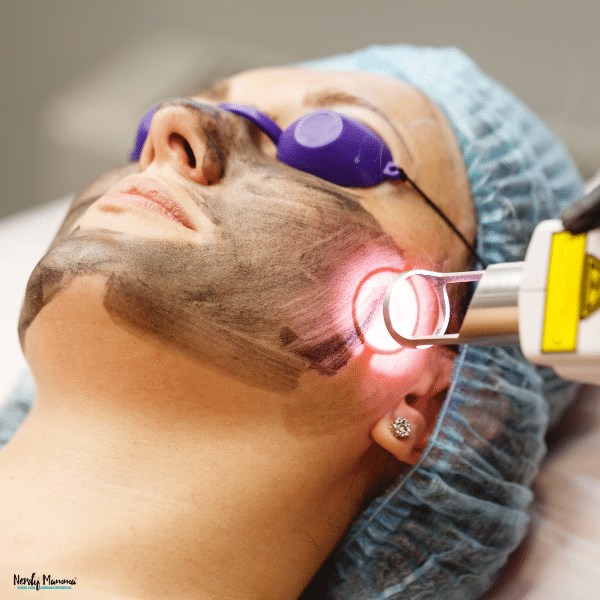
1. Your Skin Prefers Pressure Over Intense Heat
Conventional aesthetic lasers are heavily dependent on photothermal energy. That means they use long, continuous heat to burn away specific areas, or blast discoloration.
While this has been the standard for the industry for years, the intense heat can often do a lot of collateral damage to surrounding healthy tissue. This unwanted thermal spread is the exact cause of severe redness, raw peeling and weeks of painful recovery.
The Power of Photo-Acoustic Shockwaves
Your skin is secretly wishing you’d just forget the whole thermal drama. A pico laser is a next generation laser that works on an entirely new principle called the photoacoustic effect.
Lots of individuals undergoing treatment are exploring the LYMA Laser vs NIRA Lasers comparison to determine which home device best suits their personal skin goals. Evaluating features like energy output and wave delivery ensures a well-informed decision before committing to a new skincare routine.
It does not generate high heat that could burn the tissue but sends ultra-short pulses of energy in picoseconds. A picosecond is one trillionth of a second, a speed so fast it is almost impossible to comprehend.
This lightning-speed creates a fast mechanical pressure wave that destroys imperfections without heating your skin. It breaks up unwanted pigment into tiny dust particles, all without damaging the surrounding tissue which stays cool and intact.
Instead of a heat burn, you get a correction to your skin that is achieved by changing the heat to pressure.
2. Stubborn Pigmentation Needs Shattering, Not Fading
When you use a brightening cream for hyperpigmentation, sun damage or melasma, you are trying to fade the pigment from the top down. This is why a topical approach can make stubborn dark spots seem to disappear temporarily, only to come back with a vengeance the moment you step out into the sun.
Melanin clusters are anchored way too deep to be reached by an average cream application. They are very resistant and deeply rooted.
Demolishing Melanin at the Base
For the long haul, you need to mechanically demolish your skin to truly get rid of discoloration. This is where the ultra-high speed of a pico laser comes into play. It strikes these dense melanin clusters with such force that the pigment is literally broken down into ultra-fine dust-like particles.
Due to the fact that the particles are so incredibly small, your body’s natural immune defenses can easily recognize, absorb and eliminate them through the lymphatic system over the coming weeks.
This internal cleansing process makes sure the discolouration is taken care of from the inside out, resulting in a much more thorough, uniform and long lasting blend with your natural skin tone.
3. Real Collagen Remodeling Happens Deep Within the Dermis
Many anti-aging treatments emphasize aggressive exfoliation to encourage renewal. However, the foundation for smooth, bouncy, youthful skin lies much further down in the dermis, in the form of collagen and elastin.
Your skin is asking you to stop the rough surface scrubbing and do deep structural stimulation instead.
The Internal Magic of Micro-Vacuoles
Pico technology uses special fractional lenses like micro-lens arrays to direct energy into the deeper layers of the skin without disturbing the outermost surface. This revolutionary process initiates a unique biological response that completely changes the way we treat skin texture:
- Laser-Induced Optical Breakdown (LIOB): The laser creates tiny, microscopic bubbles or localized vacuoles inside the dermal layer.
- Natural Injury Simulation: These micro-vacuoles trick the body into thinking there is localized tissue damage in the deep layers, even though the surface is fine.
- Rapid Healing Cascade: The skin responds by launching an intensive, coordinated wound-healing response, flooding the treated area with brand-new type I and type III collagen.
- Surface Preservation: Because the top layer of skin remains entirely undisturbed during this process, you experience a dramatic smoothing of indented acne scars and tightening of pores with virtually zero visible downtime.
Rewriting the Dermal Architecture
The mechanical disruption stimulates the skin to substitute old, disorganized scar tissue with structured, healthy collagen fibers. Instead of thinning out your skin through aggressive surface peeling, this solution builds your skin’s internal matrix, making it thicker, firmer, and more resilient over time.
4. One Device Can Solve Multiple Visual Imperfections Simultaneously
People think they need a completely different treatment plan for every single skin flaw. They book one painful procedure for dark spots, another separate facial for rough texture and a whole other session to treat fine lines or deep acne scarring.
This gradual method can stretch your personal calendar to the limit and overtax your skin’s defensive barrier.
Your skin needs the sheer efficiency of a multi-tasking solution. With advanced pico technology, wavelengths can be altered and specialized handpieces employed, enabling multiple concerns to be addressed in a single session.
The laser has a setting for treating surface sunspots and then your provider can switch over immediately to fractional mode to stimulate collagen to diminish pores and smooth fine lines.
It makes your whole skin rejuvenation process very effective, full treatments taking your time and your skin’s integrity into account.

5. Maximum Precision Belongs in an Advanced Aesthetic Clinic
Technology certainly plays a huge role in skin transformation, but the machine is only as good as the expertise behind it. What Your Skin Wishes You Knew. Getting to a glowy, even complexion is a very personalized journey, which is why it’s personalized to your exact skin type and concerns.
That is why it is absolutely paramount to your skin health to visit a professional aesthetic clinic. Expert practitioners don’t just turn on a machine and use standard settings, they tailor the laser’s wavelengths, pulse duration, spot size and energy levels to suit your specific skin tolerance and melanin profile.
This level of customization enables the maximization of your structural skin improvements while completely minimizing the risks of adverse reactions such as post-inflammatory hyperpigmentation and delivering the safe, high-performance care your skin truly deserves.
Reclaiming Your Flawless Glow
The first step in overcoming the frustrations of an ineffective skincare routine is to listen to what your skin really needs. Topical creams and aggressive heating treatments often fail because they don’t work in concert with your skin’s deeper biological structure.
You are attacking the imperfections at their source with a pressure-based, picosecond approach and leaving the surface totally safe and healthy.
With a targeted laser treatment, you can skip the long recovery time, heavy redness and surface peeling of older technologies. It’s the perfect cellular wake-up call for your skin to make new collagen, obliterate stubborn dark spots and regenerate itself from the inside out.
It is only when you combine advanced technology with professional clinical expertise that you finally unleash a clear, resilient and filter-free complexion that lasts.
Frequently Asked Questions
Does pico laser thin the skin over time?
No, it does not thin the skin at all. Unlike older, aggressive resurfacing lasers that physically strip away the outer layers of tissue, pico technology keeps the surface skin fully intact.
It works entirely beneath the surface to stimulate the production of new collagen and elastin deep within the dermis, which actually helps to strengthen, plump, and thicken the skin structure over multiple sessions.
How many sessions are typically required to see visible results?
Most individuals notice improvements in skin brightness, tone clarity, and a reduction in mild spots after just a single session.
For deeper, more complex concerns such as stubborn hormonal melasma, deep dermal pigmentation, or pitted acne scars, a structured series of three to five sessions spaced roughly three to four weeks apart is generally recommended for optimal, long-lasting transformation.
Is there any downtime associated with a pico laser treatment?
The recovery period is usually much shorter than with traditional heat-based laser treatments. Most people experience mild redness and a slight tingling sensation after the procedure. These effects often feel similar to a mild sunburn and typically fade within a few hours to 24 hours.
Unlike some laser treatments, this procedure does not usually leave the skin raw or create open wounds. As a result, most people can return to their normal routine quickly. Many can go back to work and apply makeup shortly after treatment, depending on their provider’s recommendations.
Is this treatment safe for darker skin complexions?
Yes, this treatment is generally considered safe for darker skin tones when a qualified professional performs it correctly. Unlike treatments that rely heavily on heat, it uses ultra-fast photoacoustic pressure waves to target melanin.
As a result, the treatment minimizes heat exposure to the surrounding skin. This approach reduces the risk of triggering melanocytes, the cells responsible for pigment production. Consequently, it may lower the likelihood of pigmentation changes that can occur after heat-based procedures.
This carries a significantly lower risk of causing accidental burns or post-inflammatory hyperpigmentation on melanin-rich skin.
What should be avoided immediately after undergoing the procedure?
Avoid direct sun exposure, swimming pools, and saunas for at least one week after treatment. These activities can irritate the skin and slow the healing process.
You should also pause strong skincare ingredients for several days. This includes retinoids, salicylic acid, alpha-hydroxy acids, and chemical exfoliants. Most experts recommend waiting three to five days before using these products again. Giving your skin time to recover can support better healing and reduce irritation.
