
Modern residential improvements are shifting away from short-lived visual fads and redirecting capital toward structural resilience, everyday usability, and operational efficiency.
When property owners evaluate potential upgrades today, the driving question is rarely what looks striking in a catalog. Instead, the priority is how a space functions across daily routines and how well materials withstand long-term environmental demands.
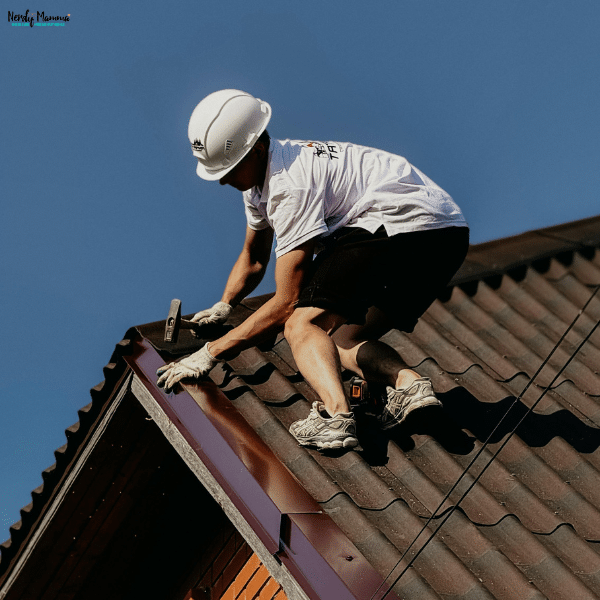
Integrating Acoustic and Thermal Boundaries
The comfort level of the indoor environment is significantly dependent on the physical envelope of the building. Whereas the enhancement of the interior surfaces may seem like the more glamorous option, the layers that separate the interior from the outside are what determine our everyday lives.
The leaks in those layers create an uncomfortable environment and increase the strain on the equipment.
Dealing with structural weaknesses will ensure safety throughout the construction. Thus, where there is a clear seasonal change and freeze/thaw cycle, the envelope of buildings is subjected to heavy exposure.
While homeowners coping with climate requirements, such as those dealing with roofing contractors in Lancaster, PA, usually find that it is better to install new architectural shingles along with the attic ventilation system rather than just redecorate the interior of their homes in order to achieve stable indoor climate conditions.
Proper moisture protection under the roof deck avoids ice dams in winter and prevents radiant heat accumulation in summer.
A durable building envelope directly complements indoor air control. Upgrading window assemblies with low-E argon-filled glazing blocks thermal radiation, while dual acoustic perimeter seals and continuous air-sealing standards significantly reduce heat loss and street noise.
Non-Invasive Safety and Environmental Monitoring
Enhancements to safety have been taken out of bulky hardware and difficult installations. The new trend in safety upgrades is a distributed, discreet system that senses risk in the environment before physical damage happens.
- Automated water valve shut-off: Miniature, wireless flow sensors are placed strategically around critical water connections to monitor the water flow in real time. If the water supply line or the hose from an appliance breaks, the system will cut off water flow before the water damage becomes catastrophic.
- Atmospheric monitoring: Sensors for CO and air particulates automatically trigger fresh air cycles in ERVs when the level of gas or air particles increases.
- Motion-activated tread path illumination: Lighting in stairs and travel corridors is activated only when motion is detected.
The above devices ensure home equity through loss prevention. Through damage prevention, home equity is protected, while the homeowner does not have to endure repeated repair cycles.

Ergonomic Transitions and Aging-in-Place Architecture
Longevity design demands a floor plan capable of evolving as the people occupying the space grow and age. Universal design is about removing any physical barriers without making the living spaces look sterile.
Wide door frames at 36 inches will allow for wider objects to be carried in and out, make movement of furniture easier, and accommodate future needs of mobility devices.
Removal of any thresholds between spaces will make the whole space one continuous plane, reducing the risk of tripping and enabling automated vacuum cleaners to navigate around easily.
In the bathroom, it will be useful to install reinforced blocking behind drywall in the initial framing process, which will provide a means of installing architectural support railings in the future without the need for extensive wall remodeling work.
The idea of a zero-threshold shower with slip-resistant tiles also illustrates the concept of design thinking. A linear drainage system will keep water inside the shower while allowing a barrier-free entrance.
Sustainable Interior Materials and Environmental Longevity
Comfort is deeply tied to indoor air quality, which depends on the materials selected for high-traffic rooms. Standard composite woods, high-gloss synthetic sealants, and budget-grade laminates often off-gas volatile organic compounds (VOCs) for months after installation.
Transitioning to mineral-based paints, dense stone slabs, and solid hardwood surfaces improves indoor environments while ensuring lasting surface durability.
For high-moisture spaces, exploring curated bathroom design strategies that emphasize continuous porcelain, unpolished stone, and solid brass plumbing fixtures prevents chronic water deterioration.
These dense, natural materials resist heavy cleaning, hold their finish through extended use, and do not degrade when exposed to routine humidity.
Careful mechanical planning reinforces these material selections by regulating humidity levels before moisture settles into wall cavities.
In traditional mid-Atlantic homes around Lancaster and nearby valleys, seasonal humidity changes can damage wood floors and plaster. Over time, floorboards may cup, while plaster can develop fine cracks.
A whole-home dehumidifier connected to central ductwork helps control moisture. As a result, it protects woodwork, reduces mold risk, and supports indoor air quality. It also reduces the need for noisy portable units.
Beyond climate control, thoughtful electrical planning helps homes meet changing needs. Modern electrical systems must support demanding equipment, including induction cooktops, EV chargers, and home battery storage.
During renovations, electricians can install appropriately sized wiring for future upgrades before closing the walls. This helps avoid opening drywall later. Meanwhile, whole-home surge protection at the electrical panel helps protect sensitive electronics from voltage spikes.
The use of resilient materials helps avoid the need for replacement after short periods, typical of poor-quality materials. Homes that focus on structural soundness, environment monitoring, and lasting finishes maintain their utility through many years of occupancy.
