
A family road trip can become one of your children’s favorite memories-or several hours of repeated “Are we there yet?” The difference usually comes down to preparation.
A successful drive is not about keeping children entertained every second; it is about having the right mix of breaks, food, games, technology, and flexibility.
Connectivity is particularly important when your route crosses countries or involves unfamiliar destinations. Parents may need maps, fuel stations, hotel bookings, attraction tickets, or emergency information while moving between locations.
For international journeys, arranging a reliable eSIM for family road trips before departure can provide mobile data across supported destinations without repeatedly replacing physical SIM cards.
Whether you’re planning a cross-country drive in the US, exploring Britain or Europe from the UK, or taking a family driving holiday from Israel, this guide covers the practical family road trip essentials that can make long hours in the car considerably easier.
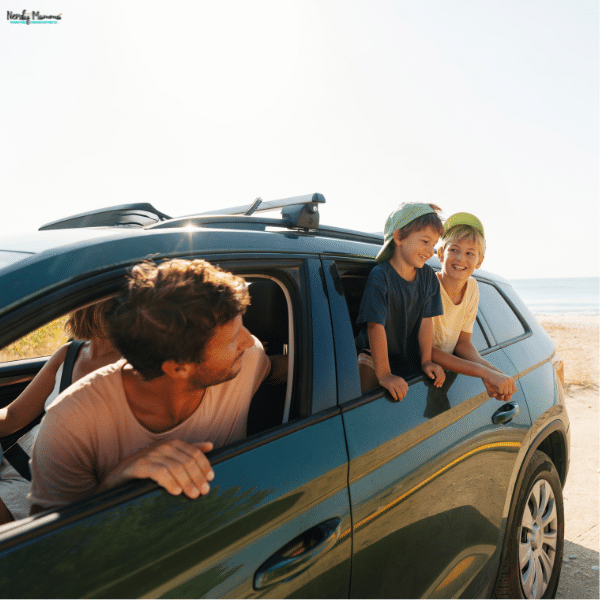
Family Road Trip Essentials at a Glance
Before you leave, make sure your car contains:
- Water and easy-to-eat snacks
- Phone chargers and power banks
- Offline maps
- First-aid supplies
- Prescription medicines
- Tissues and wet wipes
- Small rubbish bags
- Spare clothes for younger children
- Games or activity books
- Headphones
- Blankets or travel pillows
- Important documents
- Emergency roadside information
Keep frequently used items within reach rather than buried beneath luggage.
1. Plan the Route Around Your Children, Not Just the Distance
Navigation apps may tell you a journey takes seven hours, but that does not mean your family will complete it in seven hours.
Children need toilet breaks, meals, and opportunities to move.
Instead of focusing only on mileage, identify potential stops before leaving:
- Parks
- Service stations
- Restaurants
- Viewpoints
- Playgrounds
- Interesting roadside attractions
For longer trips, build extra time into your schedule so that an unplanned stop does not turn the entire journey into a race against the clock.
A slower family road trip is often a happier one.
2. Download Essential Apps Before Leaving Home
The best road trip apps solve real problems.
Navigation
Google Maps, Apple Maps and Waze can help with directions, traffic and alternative routes.
Download offline maps where available, particularly if you will travel through rural areas.
Fuel or Charging
Depending on your vehicle and country, fuel-price or EV-charging apps can help identify suitable stops.
Accommodation
Keep your hotel or accommodation app accessible so reservation details are easy to find.
Entertainment
Download:
- Audiobooks
- Podcasts
- Music
- Movies
- Educational apps
Do this on Wi-Fi before departure rather than assuming you will always have strong mobile coverage.
3. Create a Smarter Snack Box
Hungry children rarely improve the atmosphere inside a car.
Instead of relying entirely on petrol stations or motorway service areas, prepare a snack box before departure.
Good road-trip options include:
- Crackers
- Fruit
- Dried fruit
- Sandwiches
- Cheese portions where refrigeration is available
- Pretzels
- Low-mess cereal bars
- Nuts for kids who are ready to consume them safely.
- Refillable water bottles
Current nutrition guidance for long travel days also favors portable foods combining protein, fibre, and healthy fats to help maintain energy.
Avoid packing only sugary snacks. The initial excitement may be followed by another request for food surprisingly quickly.
4. Do Not Give Children Every Snack at Once
This sounds minor, but pacing matters.
Divide food into smaller portions and offer snacks at sensible intervals rather than handing over the entire supply during the first hour.
The same principle works with games and entertainment.
Think of your road-trip supplies as a playlist: reveal them gradually.

5. Use Classic Family Road Trip Games
You do not need screens for every mile.
Some of the best family road trip games require almost nothing.
I Spy
One person chooses something they can see and gives its first letter or another clue.
20 Questions
Someone thinks of a person, animal, place or object. Everyone else can ask up to 20 questions that require a simple yes-or-no answer to figure it out.
License Plate Challenge
In the US, look for different states. In Europe, spot vehicles from different countries or regions.
Alphabet Game
Find letters of the alphabet in order on road signs, shops, or vehicle plates.
Would You Rather?
Ask funny or imaginative questions such as:
“Would you rather visit the moon or live underwater?”
These games work especially well when children need a break from devices.
6. Prepare a Road Trip Activity Bag for Each Child
Give each child a small bag containing age-appropriate entertainment.
Possible items include:
- Sticker books
- Coloring supplies
- Puzzle books
- Magnetic games
- Travel bingo
- Small toys
- Activity cards
- Notebook
- Books
Avoid toys with dozens of tiny pieces that can disappear beneath seats within minutes.
For older children, add a travel journal or camera and let them document the journey.
7. Use Screens Strategically
Screens are useful. The mistake is making them the only entertainment available from the moment the car leaves the driveway.
Consider dividing the journey into blocks:
1: Conversation and scenery
2: Snack and game
3: Audiobook or music
4: Screen time
5: Stop and stretch
This variety can prevent entertainment fatigue.
Download content beforehand and pack headphones so everyone does not have to listen to the same cartoon for four hours.
8. Choose One Audiobook Everyone Can Enjoy
Audiobooks are among the easiest ways to create shared entertainment without requiring children to stare at screens.
Choose stories appropriate for everyone in the car.
For younger families, adventure or humorous children’s books can work well. Families with teenagers can try mysteries, biographies, or accessible nonfiction.
A great audiobook can turn two hours of driving into something everyone actually looks forward to.
9. Keep Navigation and Connectivity Separate From Entertainment
If the driver’s phone is handling navigation, avoid having children repeatedly borrow it.
Ideally, use separate devices for entertainment.
For an international route, compare your existing roaming arrangement with global eSIM plans before leaving. Voye Global currently provides local, regional, and global plan options, which can be useful when a journey crosses borders.
Regardless of connectivity, download essential maps, hotel addresses, and booking references offline as a backup.
10. Plan Stops Before Everyone Needs One
Waiting until every passenger urgently needs a toilet, food, or fresh air usually creates unnecessary stress.
On a long drive, plan regular breaks and adjust them based on children’s ages and needs.
A useful stop can include:
- Toilet
- Water refill
- Five to ten minutes of movement
- Quick snack
- Fuel or charging check
Young children may need breaks more frequently than teenagers.
The goal is not to follow an exact formula. It is to stop before everyone becomes uncomfortable.

11. Keep an Emergency Kit in the Car
A family road trip packing list should include more than entertainment.
Carry:
- Basic first-aid supplies
- Required medication
- Torch
- Charging cable
- Power bank
- Water
- Emergency contact details
- Weather-appropriate clothing
- Roadside assistance information
Depending on your destination, climate, and route, additional equipment may be necessary.
Always check local driving requirements before taking a vehicle across an international border.
12. Give Children Ownership of the Trip
Children are often more engaged when they understand where they are going.
Show them the route before departure.
Let them choose:
- One attraction
- A restaurant
- A playlist
- A road-trip game
- A snack
- A photo stop
Older children can follow progress on a map and help identify upcoming stops.
Turning children into participants instead of passengers can change the mood of the journey.
13. Pack a “First 10 Minutes” Bag
Do not bury everything important beneath suitcases.
Keep one accessible bag containing:
- Wipes
- Tissues
- Water
- Snacks
- Medication
- Chargers
- Spare clothes
- Plastic bags
- Important documents
If someone spills a drink 15 minutes after departure, you should not need to unpack the boot on the roadside.
14. Know When to Abandon the Schedule
Perhaps the most valuable family road trip hack is accepting that the itinerary may change.
A child gets carsick.
Traffic adds 90 minutes.
Everyone loves an unexpected beach and wants to stay longer.
The restaurant you planned is closed.
Do not treat these moments as failures.
Road trips work because they provide flexibility that flights and rigid tours cannot.
Family Road Trip Tips by Age
Toddlers
Prioritize:
- Frequent breaks
- Familiar snacks
- Nap timing
- Simple toys
- Spare clothes
- Comfort items
Avoid expecting toddlers to tolerate adult-style driving schedules.
Kids Aged 5-10
This is a great age for:
- Road-trip bingo
- Audiobooks
- Scavenger hunts
- Activity books
- Destination challenges
Give them something new every few hours rather than everything at once.
Tweens and Teenagers
Give older children more control.
Let them:
- Build the playlist
- Choose lunch
- Navigate part of the route
- Research a stop
- Photograph the trip
They may still want screen time, but involving them in decisions often makes the journey more enjoyable.
US, UK, and Israel Family Road Trip Considerations
United States
Distances can be enormous. Do not underestimate driving times when planning multi-state journeys.
Check fuel availability on remote routes and consider weather conditions when crossing mountains or desert regions.
United Kingdom
UK distances may appear short on a map, but congestion and smaller roads can increase journey times considerably.
For European drives, check documentation, vehicle equipment, and road charge requirements for every country on your route.
Israel
Distances are generally more manageable than in the US, making multi-stop trips practical. However, check current road conditions, official travel guidance, and your planned route before departure.
For any international road trip, confirm insurance and cross-border vehicle requirements in advance.
FAQs
What are the best ways to keep kids happy and comfortable during a lengthy road journey?
Break the drive into manageable sections, stop regularly, pack plenty of snacks, rotate activities, and leave extra time in the schedule. Mixing games, audiobooks, conversation, and screens usually works better than relying on one form of entertainment.
How often should you stop on a road trip with kids?
There is no universal rule because age and individual needs vary. Many families find regular breaks every few hours helpful, while babies and toddlers may require more frequent stops.
What are the essential things to bring when taking kids on a road adventure?
Pack water, snacks, medication, wipes, spare clothes, entertainment, chargers, travel documents, first-aid supplies, and comfort items. Keep the most important items accessible inside the cabin.
What are good family road trip games?
Popular options include I Spy, 20 Questions, road-trip bingo, the alphabet game, license-plate spotting, and Would You Rather.
How do you entertain children on a long car journey?
Rotate between music, audiobooks, games, activity books, conversation, snacks, and controlled screen time. Introducing activities gradually makes them last longer.
What are the best family road trip snacks?
Choose portable, low-mess options such as fruit, crackers, sandwiches, cereal bars, pretzels, and water. Consider dietary restrictions, allergies, and children’s ages when packing.
What apps should I download before a family road trip?
Useful categories include navigation, fuel or charging, accommodation, weather, entertainment, and destination-specific transport apps.
Should kids have tablets on a family road trip?
Tablets can be extremely useful, particularly on long journeys, but they work best as one part of a broader entertainment plan rather than the only activity.
How can I prevent “Are we there yet?”
Give children visible milestones. Instead of saying “five hours left,” tell them what happens next: “We’ll stop for lunch after this town” or “We have one audiobook chapter before the next break.”
How early should I start a road trip with children?
The best departure time depends on your children’s routine, destination, and traffic. Some families prefer leaving early while children are sleepy, while others schedule driving around normal nap periods.

Final Thoughts
A successful family road trip is not created by filling the car with gadgets.
The most useful formula is much simpler: plan the route carefully, pack food strategically, rotate entertainment, stop before everyone becomes uncomfortable, and leave enough flexibility for the unexpected.
Apps and smart travel technology can make navigation and connectivity easier. Snacks prevent unnecessary stops. Games create shared memories.
But the best moments often come from the things you never planned-the strange roadside attraction, unexpected viewpoint or conversation that would never have happened on a flight.
Prepare well, but leave room for the road trip to become part of the vacation rather than simply the journey to it.