
A routine bicycle ride can change in an instant when a turning vehicle crosses a cyclist’s path. In 2025, an estimated 1,148 bicyclists died in traffic crashes across the United States, highlighting the safety challenges faced by people who share roads with motor vehicles.
In Little Rock, Arkansas, collisions involving cyclists deserve particular attention because turning movements can create dangerous conflicts at intersections, driveways, and bike lanes.
Determining responsibility after such a collision requires more than establishing that a vehicle struck a bicycle. Drivers must watch for cyclists, follow traffic signals, and yield when required, while road markings and witness accounts can help clarify how the crash unfolded.
A bicycle accident lawyer in Little Rock may examine photographs, police reports, traffic camera footage, and other evidence to establish liability. These details matter when accounts differ, or an injured cyclist faces unfair blame.
Examining the circumstances surrounding a turning vehicle collision can reveal who bears legal responsibility and what options may be available when pursuing compensation.
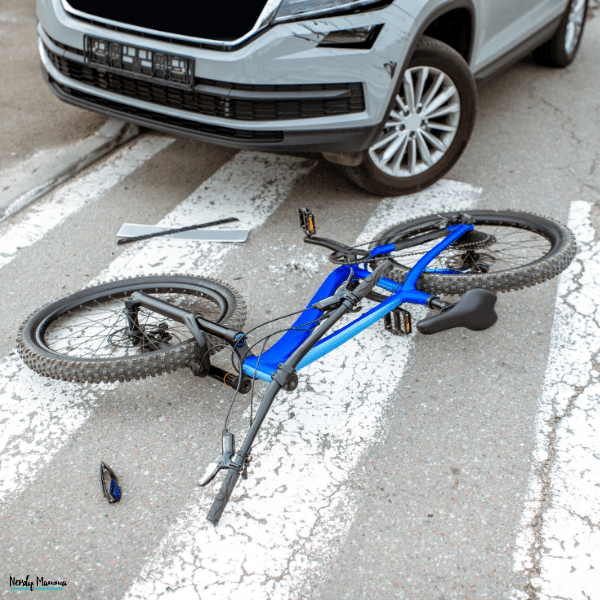
Who Must Yield?
Drivers making turns must yield when traffic conditions require it. A cyclist riding straight has the same right to use the roadway as other traffic. The driver’s route, signal, and view of the cyclist help establish whether the driver failed to yield.
What Bicycle Accident Lawyers Do
A bicycle accident lawyer can assess how signal timing, sight lines, and the driver’s movements fit the evidence.
A careful review can compare those details with the cyclist’s position and direction before impact. Together, the facts help show whether the driver crossed the cyclist’s path and caused the collision.
What Driver Actions Support a Negligence Claim
Drivers preparing to turn should check their mirrors and blind spots before changing direction. They must signal and watch for cyclists beside or approaching the vehicle. Failing to look or yield can support a negligence claim when that failure caused the crash.
At an intersection, a driver turning left must account for oncoming bicycle traffic. A driver turning right across a bike lane must check for cyclists traveling straight. Signals, lane markings, and the cyclist’s direction help show whether the driver turned safely.
What Evidence Can Establish?
Physical evidence can test each person’s account. Damage to a bicycle’s front wheel or a vehicle’s side can help establish the point of impact and each party’s direction. Skid marks, debris, and vehicle positions provide further clues, though responders may not document every detail.
Video from nearby properties can show when the driver signaled, whether the cyclist entered the intersection first, and how much time each person had to react.
The Role of Witnesses
A police report can identify witnesses and record statements, but it does not decide civil liability. Witnesses can describe visibility, traffic speed, and the positions they saw before impact.
A prompt request matters because businesses and residents often erase recordings on routine schedules.
Photographing the Accident Scene
Photographs taken soon after the crash can preserve details that later change, including weather, lighting, road debris, and blocked sight lines.
The Collision Mechanics
The location of the impact can help explain how the collision occurred. A dent near a vehicle’s front corner may support an account that the driver turned into the cyclist’s path.
Investigators compare the damage with the bicycle, roadway marks, and witness descriptions before reaching conclusions. Medical records connect diagnosed injuries to the collision and document treatment.

When Does a Cyclist Share Fault?
Investigators also examine the cyclist’s actions. A rider who ignored a traffic signal, entered a crosswalk at speed, or rode without required lighting could share responsibility, depending on the circumstances.
A driver’s mistake does not erase a cyclist’s separate contribution to the crash.
Arkansas follows a modified comparative fault rule. A cyclist can recover damages only if the cyclist’s share of fault is less than the other party’s share. So, any potential compensation can be reduced by the cyclist’s percentage of fault.
If the cyclist’s share equals or exceeds the other party’s fault, recovery is barred.
How Does Liability Affect Damages?
Liability affects which losses an injured cyclist can claim. Compensation can include reasonable medical expenses, lost income, and damage to the bicycle or other property.
Relevant records include bills, work absences, repair estimates, and receipts for replacement equipment.
Some injuries require follow-up care after emergency treatment. A clear medical timeline can show how the crash caused symptoms and what treatment providers recommended.
Insurers may dispute gaps in care or argue that an injury existed earlier, so accurate records and consistent follow-up matter.
Deadlines and Claim Steps
Arkansas generally gives an injured person three years to file a personal injury lawsuit, though exceptions can change the deadline. The injury date and the parties involved matter. A cyclist should not assume that insurance discussions pause the filing period.
Before giving a recorded statement or accepting a settlement, the cyclist should understand what the release covers. A settlement can close claims for future treatment as well as current bills.
Reviewing the medical picture and preserving evidence before signing can help prevent avoidable disputes.
Conclusion
After a turning collision, preserve evidence before vehicles, road conditions, and memories change. Obtain the crash report, keep damaged gear, save photographs, and record treatment details. Write down witness names and nearby camera locations.
A careful review can compare the driver’s turning path with the cyclist’s position and signals, then assess fault under Arkansas law. These prompt steps protect useful evidence and help the cyclist make informed decisions about a claim.
