
A small home can feel wonderfully simple until a leak, a frozen gutter, or damaged siding turns into a major problem.
In Cleveland, Ohio, average annual snowfall at the airport is about 64 inches, making winter weather an important consideration alongside spring rain and summer humidity.
Tiny houses have compact footprints, but they still need a complete system for shedding water, controlling heat loss, and protecting vulnerable connections.
Choosing upgrades for durability rather than appearance alone can reduce maintenance and help the entire structure perform more reliably throughout the year.
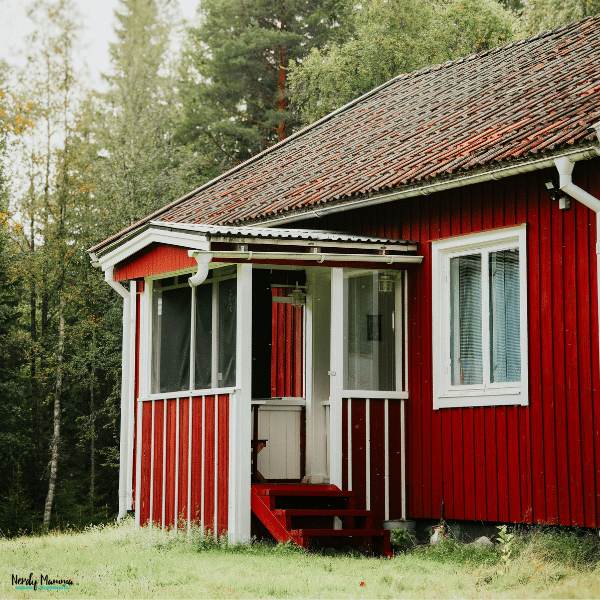
Understand Why Small Structures Need Careful Detailing
A tiny house has less space for problems to remain unnoticed. Water entering near a window or roof joint can reach living areas quickly, while dampness around insulation may be difficult to investigate without opening finished surfaces.
The building’s setting matters too. A mobile tiny house faces weight and vibration concerns that a permanently installed cottage may not. An exposed site might experience stronger wind, while surrounding trees can drop debris onto the roof.
Before replacing materials, inspect the structure as a system. Roofing, siding, openings, insulation, and drainage affect one another. Fixing only the most visible surface may leave the underlying weakness untouched.
Put Roof Performance Ahead of Appearance
A roof should direct water away from the walls and withstand the loads expected for the structure. Metal roofing may appeal because of its comparatively low weight and potential durability, but suitability depends on the roof assembly and proper installation.
Asphalt shingles can also perform well when pitch, underlayment, fastening, and ventilation match the design.
Pay particular attention to transitions: vents, skylights, wall intersections, and edges. Flashing failures at these points can matter more than the roofing material itself.
When considering roofing and siding services in Cleveland, assess whether the proposed work addresses wind exposure, moisture control, and cold-weather detailing rather than simply changing the exterior’s appearance.
Ask how the contractor will investigate existing damage, handle roof-to-wall connections, and coordinate repairs with the rest of the weather barrier. A useful estimate explains the assembly, not just the finish.
Keep Ice and Melting Snow Under Control
Cold-weather roof damage is not always caused by an obvious hole. Heat escaping into a roof assembly can melt accumulated snow; water may then refreeze at colder edges and create an ice dam.
Trapped meltwater can work beneath roofing and damage materials below.
Prevention therefore involves more than removing icicles. Appropriate air sealing, insulation, roof ventilation where required, and protective eave membranes work together.
The approach depends on whether the tiny house uses a vented roof or a compact unvented assembly.
Understanding how ice dams develop around roof eaves makes it easier to discuss the correct repairs. Avoid assuming that adding insulation anywhere will solve the problem; its placement and the continuity of the air barrier are crucial.
Select Siding for Weather and Repairability
Siding protects the wall beneath it from direct exposure while giving the home its visual character. Wood offers warmth but requires ongoing finishing and inspection. Vinyl, engineered wood, and fiber cement have different maintenance, impact, and installation requirements.
A mobile tiny house needs special attention to material weight and movement. A fixed structure may accommodate heavier products, but correct fastening and flashing are still essential.
Whatever the finish, ask about the drainage plane behind it. Wind-driven rain can pass exterior joints, so the wall needs a properly detailed water-resistive barrier and a route for moisture to escape. Choose colors and textures only after establishing that the wall assembly is sound.

Give Water a Clear Route Away
Follow the path water takes from the roof to the ground. Does it discharge beside the base, splash against cladding, or collect near an entrance? Repeated wetting can damage trim, skirting, foundations, and floor framing even when the roof itself remains watertight.
Gutters, downspout extensions, grading, and carefully detailed flashing all matter. Their design should suit the roof area, site conditions, and whether the structure is fixed or mobile.
A broader moisture-control approach to roofs, walls, and site drainage helps explain why these elements cannot be considered separately. Before investing in cosmetic upgrades, resolve standing water and recurring dampness.
A beautiful finish cannot compensate for moisture continuously entering behind it.
Balance Insulation With Drying Potential
Comfort in a small house depends heavily on the enclosure. Thin walls, roof intersections, and floor edges can allow noticeable drafts or temperature differences.
Adding insulation may improve comfort, but it must be planned alongside air sealing and moisture management.
Poorly placed vapor-control layers or unsealed penetrations can create conditions where condensation collects inside an assembly. That is particularly concerning when the building has limited space for inspection or repairs.
Have the existing wall and roof construction assessed before major retrofits. The right upgrade should reduce unwanted heat transfer while allowing the assembly to manage moisture safely.
Design for Maintenance You Can Actually Perform
A sensible exterior is one you can inspect without extraordinary effort. Make gutters accessible, leave room to examine siding near the base, and choose components that can be repaired individually when possible.
For mobile units, confirm that new materials and attachments remain compatible with transport weight limits and movement. For fixed homes, consider snow clearing, drainage access, and exposure from nearby vegetation.
Keep records of products, coatings, sealants, and installation details. When a small issue appears years later, those records make repairs less uncertain and help avoid mismatched replacement materials.
Let Everyday Use Guide the Final Choices
A full-time residence needs dependable weather protection in every season. A guest unit or occasional retreat may have different heating, access, and maintenance patterns, but it still needs protection while unoccupied.
Prioritize repairs that prevent leaks, reduce exposure, and keep the enclosure dry. Then choose finishes that suit your preferred appearance and upkeep routine. The strongest tiny-house exterior is not the most elaborate one.
It is a coordinated shell that protects a small living space without demanding constant attention.
