
During an infant’s first year of life, their gut microbiome develops rapidly, accompanied by frequent diaper changes—often averaging 8 to 12 per day. While much attention is given to skincare products and organic wipes, the containment and disposal of fecal bio-waste represents a critical frontline in home sanitation.
Soiled diapers harbor significant bacterial loads, including Escherichia coli, Enterococcus, and various viral pathogens.
When disposed of in standard household trash bins or manual push-top receptacles, the physical act of opening the bin, pushing waste down, or touching handles creates direct pathways for bacterial cross-contamination across changing pads, clothing, and parental hands.
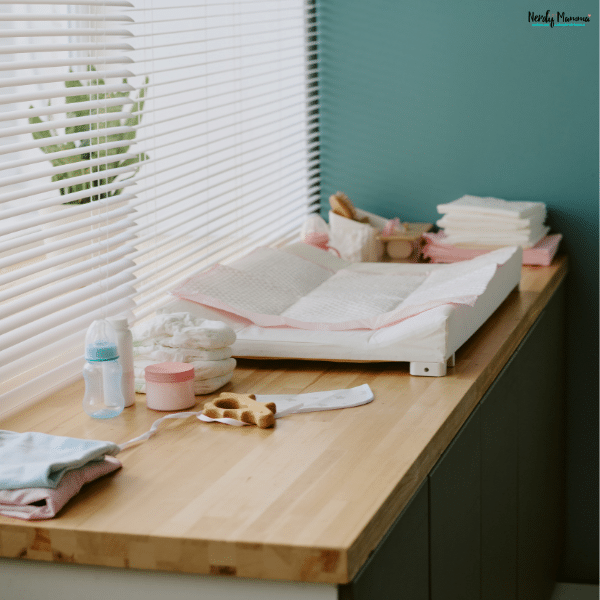
Establishing a clinically hygienic changing station relies on minimizing physical touch points while sealing off bio-waste pathways. Integrating an anti-microbial, hands-free diaper pail into your nursery infrastructure ensures dirty diapers are isolated instantly without compromising hand hygiene.
Modern nursery waste architecture treats diaper disposal as a medical-grade isolation process rather than simple trash containment. Engineering solutions like the Momcozy Triple-Seal Diaper Pail address home sanitation through rigorous mechanical design.
Featuring an ultra-responsive, hands-free foot pedal mechanism, multi-stage silicone airlock gaskets, and high-density anti-microbial barrier refills, this advanced disposal system eliminates the need for physical hand-to-bin contact during disposal.
By locking away bacterial pathogens and offensive volatile organic compounds (VOCs) within sealed multi-layer liners, parents can maintain aseptic changing conditions that protect the entire household.
1. The Microbiology of Infant Waste & Cross-Contamination Vectors
Understanding how microbial bio-aerosols and surface contact spread bacteria across nursery environments highlights the need for strict waste containment.
Nursery Sanitation Vector Analysis:
[A] Direct Hand Contact: Manual bin lids transfer gut pathogens from dirty diapers to clean skin/wipes.
[B] Bio-Aerosol Displacement: Push-down flaps displace internal bin air directly into room breathing zones.
[C] Substrate Permeation: Standard thin plastic bags allow bacterial volatile compounds to migrate.
[Solution] Hands-free foot pedal activation + Dual silicone airlock chambers + High-density film seals.
Bio-Aerosol Displacement and Air Trapping
When dirty diapers are forced into manual push-flap bins, the volume of the incoming diaper displaces an equal volume of stale, pathogen-laden air from inside the container, blowing it directly back into the room and onto the caregiver’s hands and face.
Systems utilizing dual-chamber silicone seals trap displaced air within an internal isolation compartment, preventing aerosolized bacteria from escaping into the nursery during disposal.
Preserving Hand-Sanitization Integrity During Changes
The changing workflow is a high-risk sequence for cross-contamination. If a parent cleans an infant, holds the soiled diaper, touches a trash can lid with their hand to open it, and then reaches back for a clean diaper or lotion, bacteria travel directly onto clean nursery surfaces.
A hands-free, step-pedal system ensures hands touch only the infant and clean changing supplies, eliminating surface-to-hand bacterial transfers.
2. Material Science and Barrier Film Engineering
True bio-waste isolation depends heavily on the chemical composition and structural integrity of the barrier materials used.
Multi-Layer Barrier Polymer vs. Standard Polyethylene
Standard kitchen garbage bags are manufactured from single-layer low-density polyethylene (LDPE). At a microscopic level, LDPE polymers contain micro-voids that permit gaseous diffusion and allow moisture vapor carrying odor molecules to migrate within hours.
High-density multi-layer refill films utilize alternating layers of ethylene vinyl alcohol (EVOH) and polyethylene, creating a gas-impermeable barrier that prevents bacterial odors and volatile organic compounds from penetrating the film wall.
Non-Porous Surface Materials and Sanitization Ease
Absorbent or micro-porous plastic housing materials can absorb organic matter over time, turning the bin itself into a permanent reservoir for lingering smells.
Utilizing non-porous ABS polymers and non-degrading silicone gaskets ensures the structure resists liquid absorption and tolerates routine sanitization with hospital-grade surface wipes without degrading seal elasticity.

3. Structural Matrix: Clinical Hygiene Performance Across Disposal Systems
Comparing traditional trash bins, basic diaper pails, and smart triple-seal systems demonstrates how targeted engineering improves home sanitation:
| Clinical Sanitation Metric | Standard Kitchen Step Can | Basic Manual Push Diaper Bin | Smart Triple-Seal Diaper System |
| Disposal Activation | Foot pedal (No internal airlock) | Manual hand push (High contact) | Responsive ergonomic foot pedal (Zero hand contact) |
| Air Displacement Shield | None (Puffs internal air out) | Poor (Displaces air on push) | High (Dual-stage silicone airlock isolates chamber) |
| Pathogen & VOC Barrier | Single thin bag (Low resistance) | Single polyethylene liner | High-density multi-layer gas-impermeable barrier |
| Surface Sanitization Ease | Moderate | Poor (Complex internal crevices) | High (Smooth, non-porous ABS & silicone surfaces) |
| Nursery Air Quality Score | Low (Smells escape on open) | Moderate (Leaks during disposal) | Outstanding (Zero odor/microbial blowback) |
4. Clinical Placement, Hygiene Maintenance, and Safe Operation
Following strict positioning and routine sanitization protocols ensures your diaper disposal unit operates at peak hygienic performance.
- Strategic Changing Station Positioning: Position the diaper pail within immediate foot-reach of your changing table. Ensure the foot pedal remains completely unobstructed so caregivers can operate the unit without shifting weight awkwardly or removing their hand from the infant.
- Refill Capacity & Changing Protocols: Tie off and remove bag liners when they reach 80% capacity. Overfilling causes diapers to compress against top seals, which can compromise the silicone gasket alignment and lead to liner tears during removal.
- Weekly Disinfection Protocol: During routine deep cleans, wipe down exterior surfaces, inner silicone gaskets, and foot pedal contact zones with a soft cloth dampened with warm water and a mild anti-bacterial solution. Allow components to dry completely before re-loading refills to maintain optimal silicone seal performance.
5. Summary: Safeguarding Nursery Sanitation for Growing Infants
Protecting your infant’s nursery environment requires waste management tools designed specifically to control bacterial cross-contamination and bio-waste odors.
By combining hands-free foot pedal activation, multi-stage silicone airlock seals, and high-density barrier refills, parents can maintain a clean, aseptic changing area that supports healthy development and household wellness.
