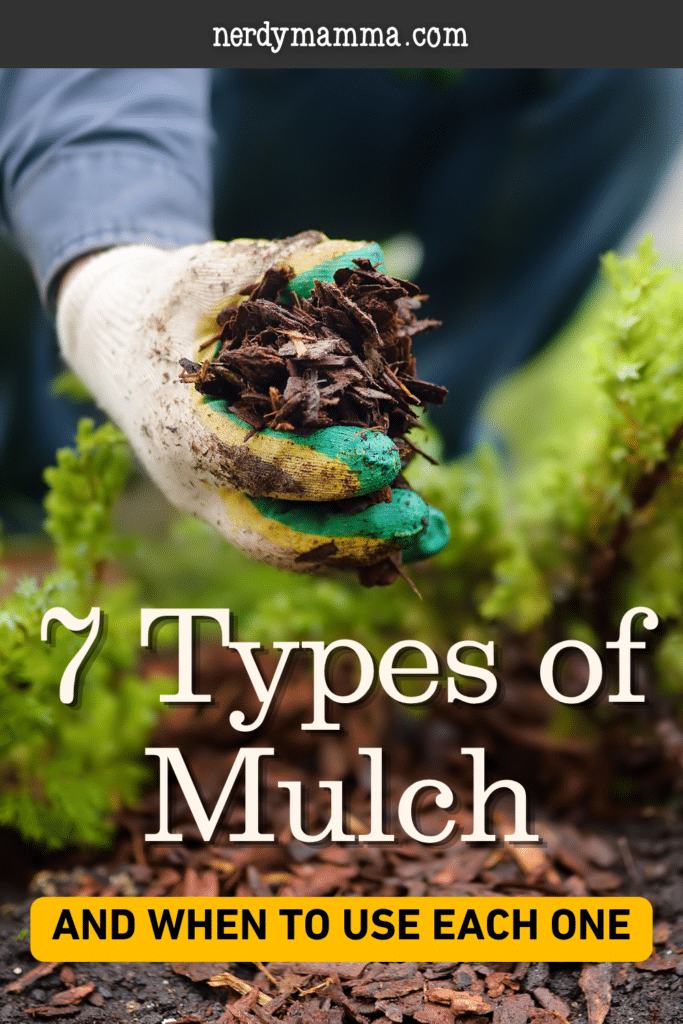
Mulching is one of the simplest yet most effective ways to improve soil health, conserve moisture, and enhance the overall appearance of your garden.
In Australia’s diverse climate from dry inland regions to humid coastal zones, choosing the right type of mulch can make a significant difference in plant performance and water efficiency.
This guide outlines seven common types of mulch and explains when each is best used.

Organic Mulch (Bark and Wood Chips)
Organic mulches such as pine bark and wood chips are among the most popular choices for Australian gardens. They break down gradually, enriching the soil with nutrients and improving its structure.
These mulches are ideal for garden beds, around trees, and along pathways. They are particularly useful in regions prone to heat, as they help regulate soil temperature and retain moisture.
Best used for: General garden beds, shrubs, and trees.
Straw Mulch
Straw mulch is lightweight and easy to spread, making it an excellent option for vegetable gardens. It decomposes relatively quickly, adding organic matter to the soil. In Australia’s warmer climates, straw helps keep soil cool and prevents rapid evaporation.
Best used for: Vegetable patches and seasonal crops.
Sugar Cane Mulch
A popular choice across Australia, sugar cane mulch is sustainable and readily available. It suppresses weeds effectively while allowing water to penetrate the soil. Its fine texture makes it ideal for smaller plants and delicate seedlings.
Best used for: Flower beds, herbs, and young plants.
Compost Mulch
Compost can also function as mulch, offering both protective and nutritional benefits. It improves soil fertility while helping retain moisture. However, it may require topping up more frequently than other mulches.
Best used for: Soil improvement and nutrient-rich garden beds.
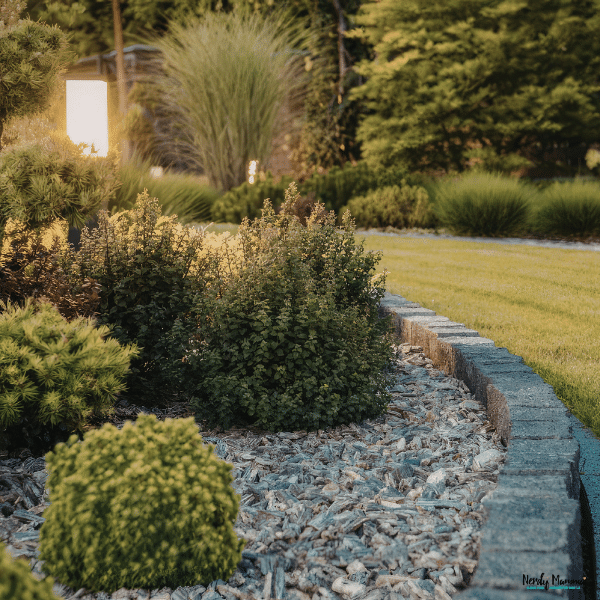
Gravel and Stone Mulch
In dry or arid regions, inorganic mulches like gravel or stones are highly effective. They do not decompose, making them a long-lasting solution. These mulches are excellent for reducing evaporation and are often used in landscaping for a modern aesthetic.
Best used for: Drought-tolerant gardens, pathways, and decorative areas.
Rubber Mulch
Made from recycled materials, rubber mulch is durable and low-maintenance. It does not break down and provides excellent weed suppression. While not suitable for all plant types, it is commonly used in playgrounds and high-traffic areas.
Best used for: Play areas, pathways, and non-edible landscapes.
Leaf Mulch
Leaf mulch is a cost-effective and environmentally friendly option. Fallen leaves can be collected and spread across garden beds, where they slowly decompose and enrich the soil. This mulch mimics natural forest conditions and supports beneficial microorganisms.
Best used for: Native gardens and soil enrichment.
Choosing the Right Mulch
Selecting the right mulch depends on your garden’s needs, climate, and aesthetic preferences. Organic mulches are ideal for improving soil health, while inorganic options offer durability and low maintenance.
In Australia, where water conservation is critical, mulching is an essential practice for sustainable gardening.
By understanding the characteristics of each mulch type, you can make informed decisions that support healthy plant growth and efficient water use throughout the year.