
Plumbing emergencies are the stuff of nightmares, often striking when we least expect them. From bursting pipes to overflowing toilets, these crises can cause significant damage to your home and lead to costly repairs.
But fear not; with a clear understanding of smart steps to take, you can mitigate the situation and, most importantly, protect your property.
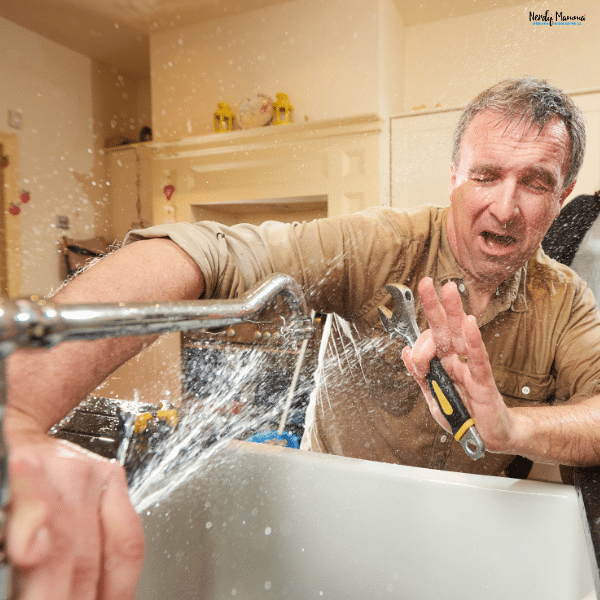
Immediate Response: Assess the Situation
The very first action you should take when faced with a plumbing emergency is to remain calm and assess the situation. Is water gushing from a broken pipe? Is your toilet overflowing?
A proper evaluation will determine how severe the issue is and how urgently you need professional help.
Here are some guiding questions:
• Where is the leak coming from? Identifying the root of the problem is crucial. If it’s a pipe, can you see where it’s burst?
• How extensive is the damage? Is water spreading into other rooms or areas of your home?
• Can I shut off the water supply? Knowing how to turn off your water supply can save you from a potential disaster.
Once you’ve assessed the situation, you can decide whether to tackle a temporary fix or call in professionals for help. If you’re in a serious predicament, don’t hesitate to look for services that ensure fast response plumbing in urgent situations.
A quick search for a local water damage restoration company or emergency plumbing will usually yield results capable of alleviating your immediate concerns.
Taking Preventative Steps
Shut Off the Water Supply
If you’re facing a significant leak, your first course of action should be to locate the main water shut-off valve for your home. This might be in the basement, under a sink, or even outside. Turning off the water supply will help control the flow and prevent further damage.
Drain the Pipes
After shutting off your water, it’s also wise to drain the pipes. Turn on all taps, including sinks, baths, and outside hoses, to relieve pressure in your plumbing system. Flushing toilets will also help – but be wary not to flush too many times if the water level is already high.
Clean Up and Mitigate Damage
While you wait for professional help, doing what you can to clean up any water is essential. Use towels, buckets, or a wet/dry vacuum if you have one to mop up standing water. It’s also helpful to move any furniture or valuables out of harm’s way to prevent water damage.
Prevent Secondary Issues
In many plumbing emergencies, standing water can give rise to secondary issues such as mould and mildew growth. Even after the crisis has been averted, drying out the affected area thoroughly will help ward off these future headaches.

Communication with Professionals
When you do call in the cavalry, clear communication with your plumbing professionals will make a world of difference. Here are some key points to cover when speaking to them:
• Describe the problem in detail: Share everything from how the issue began to any actions you’ve already taken.
• Ask about estimated arrival times: Understanding when help will arrive allows you to better prepare for the situation and manage your expectations.
• Inquire about potential costs: Get a rough estimate of how much repairs might set you back, so there are no surprises.
Always keep your contact information handy for emergency plumbers. Finding a reliable local service can help ensure peace of mind in future scenarios.
Make sure you always have a way to reach emergency plumbing services to guarantee a quick response that prevents minor leaks from escalating into catastrophic structural damage.
Keeping a verified professional on speed dial allows you to bypass the stress of searching for reviews in the middle of a midnight pipe burst or a severe sewer backup.
After the Emergency: Steps to Prevent Recurrence
Once the immediate emergency has been dealt with, take steps to mitigate the risk of similar issues arising again.
Schedule Regular Maintenance
Regular plumbing maintenance can often identify small issues before they escalate into emergencies. For example, having checks for leaks or blockages will help keep your plumbing system in sound condition. Think of it as health check-ups for your home; proactive care can save you headaches down the line.
Partnering with trusted professionals like Frankston Plumbing Group services ensures thorough inspections and reliable solutions, helping you prevent costly problems before they arise.
Learn Your System
Take the time to understand the layout of your plumbing system. Knowing where pipes run, where valves are located, and how your heating system works means you’ll be better prepared for any future emergencies.
Invest in Smart Technology
Consider investing in smart home technology that monitors your plumbing system. Devices that track water usage or alert you to leaks can adapt to your home’s needs and keep you one step ahead.
Building Comfort with Knowledge
Dealing with a plumbing emergency can be overwhelming, but gaining an understanding of your situation will give you reassurance in moments of crisis.
Whether it’s shutting off the water supply, cleaning up, or communicating with professionals, each step contributes to reducing the damage and stress of the situation.
Furthermore, a responsible homeowner doesn’t simply rely on emergency services in times of crisis. Engaging in routine maintenance and familiarising yourself with your plumbing system will empower you to handle future incidents effectively.
When it comes to plumbing emergencies, knowledge is your best ally. While no one hopes to face such challenges, being prepared and educated about your home’s plumbing could make all the difference.
Understanding the immediate actions to take and maintaining ongoing care will leave you feeling empowered as a homeowner, ready for whatever comes next.
