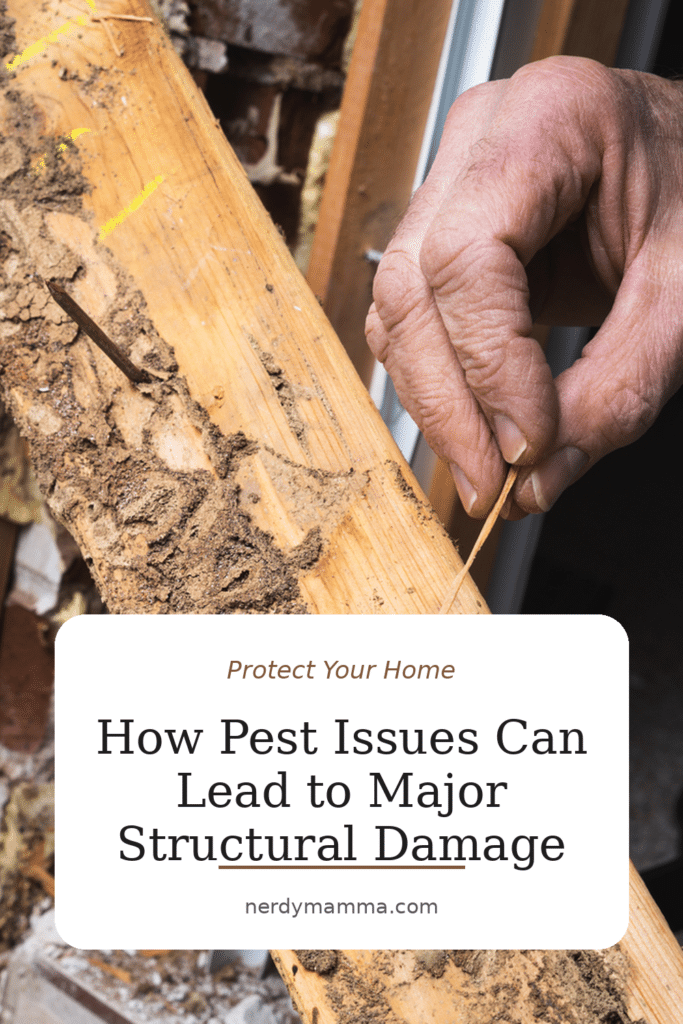
A faint scratching sound in the ceiling or a small pile of sawdust near a baseboard often seems like a minor annoyance. But chances are, you’re dealing with so much more.
Many pest infestations pose severe threats to a building’s structural integrity, since destructive pests operate entirely out of sight, causing gradual but devastating damage over months or even years.
Once you fully understand the hidden risks that come into play here, property owners, builders, and investors alike can avoid massive repair bills and skirt dangerous safety hazards. After all, early detection is the most effective way to protect your long-term property value.

Termite Damage to Wooden Structures
Termites pose the single greatest threat to wooden structures, as they feed exclusively on cellulose, the primary component of wood. They tunnel deep into support beams, flooring, and interior wall structures, eating the wood from the inside out.
Because termites leave the exterior surface of the wood intact, the damage often goes entirely unnoticed. Property owners usually only realize they have a problem when the wood becomes hollow, turns brittle, or begins to actively collapse.
Over time, termite colonies severely compromise the load-bearing elements of a building. Severe, untreated infestations routinely lead to sagging floors, warped wall frames, and catastrophic structural failure, and catching them early requires vigilant inspections and immediate intervention.
Once you notice signs of termites, carpenter ants, or rodents causing damage, it is important to act quickly before the problem worsens.
The best next step is to secure professional pest control services that can identify the source of the infestation and stop additional structural damage before repair costs escalate.
Rodents Weakening Critical Systems
Rats and mice do much more than raid pantries. Rodents must chew constantly to keep their front teeth filed down, often targeting structural wood, heavy insulation, and vital electrical wiring tucked behind your drywall.
When a rat chews through the plastic coating of an electrical wire, it exposes the live copper beneath. This damaged wiring dramatically increases the risk of unexpected electrical fires, as it also causes sudden power outages and costly system failures.
Rodents also damage foundational components by burrowing deep into walls and subfloors to build their nests. This constant chewing and tunneling creates heightened fire hazards, weakened internal structures, and highly costly system repairs.
Moisture Buildup Caused by Pests
Certain pests actively change the environment inside your walls to suit their needs. Termites and carpenter ants, for example, absolutely thrive in damp environments. When they infest a building, they bring moisture with them or exploit existing leaks, worsening the moisture levels inside the structure.
Rodent activity also contributes to severe water damage. Rats often chew through PVC plumbing pipes in search of drinking water, creating slow leaks that completely saturate the surrounding wood and drywall.
Excess moisture accelerates severe wood rot and aggressive mold growth, conditions that rapidly degrade heavy structural materials, leading to rotting support beams, weakened foundation plates, and long-term structural instability.
Damage to Insulation and Interior Framework
Pests love the dark, warm spaces between your walls. Raccoons, squirrels, and mice frequently nest directly inside fiberglass or foam insulation, tearing the material apart to build beds, heavily reducing its effectiveness and energy efficiency.
When insulation fails, it exposes the surrounding wooden beams and internal framework to extreme temperature shifts and environmental stress. The displaced insulation also leaves wide-open pathways for more pests to travel freely through the building.
Repeated nesting cycles cause widespread internal deterioration. Over a few seasons, a single family of rodents can destroy thousands of dollars’ worth of insulation. This leads to a drastic reduction in energy efficiency and leaves the core structural components highly vulnerable to further decay.
Foundation and Soil Disruption
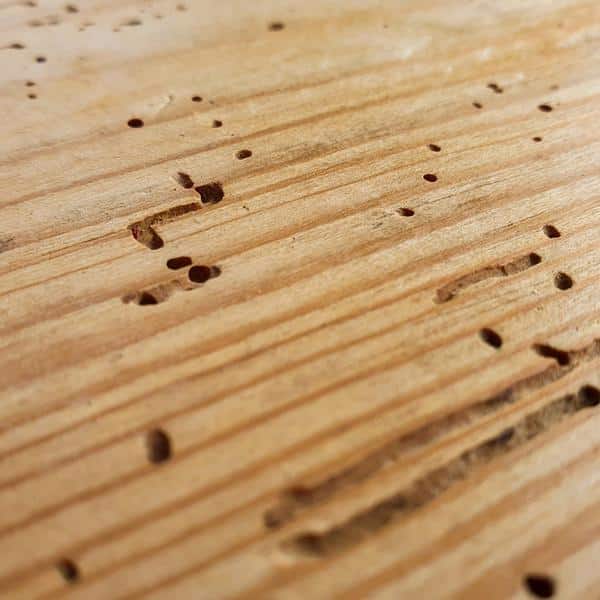
We often think of pest damage occurring inside the walls, but the danger actually starts underground. Burrowing pests constantly disturb the tightly packed soil around a property’s foundation, directly affecting the building’s stability.
Massive ant colonies, moles, and burrowing rodents create extensive underground tunnel systems. These hollow tunnels slowly weaken the dense earth supporting the concrete foundation. Heavy rains can then wash the loose soil away completely.
Over time, this shifting ground contributes to uneven settling. The concrete slab may crack, or the foundation walls might begin to bow inward. Repairing foundation shifting is incredibly expensive and represents a worst-case scenario for property investors.
Hidden Damage That Escalates Over Time
The most dangerous aspect of pest-related damage is its invisibility. The vast majority of structural issues develop quietly behind heavy drywall, under sealed floorboards, or in dark, unused crawl spaces. This makes the damage incredibly difficult to detect during its early stages.
By the time you see visible signs inside the living space, like a crack in the drywall or a sagging floor joint, significant structural degradation is likely already present. The pests have likely been working undisturbed for a very long time.
Delayed intervention guarantees more extensive and expensive repairs. Escalating repair costs directly cut into your investment returns and drastically increase the physical risk to the building’s occupants.
If you want to learn more about maintaining your building’s integrity, read our guide on preventative property maintenance strategies to protect your assets.
Compounding Effects of Multiple Infestations
Buildings rarely suffer from just one isolated issue. In other words, properties with one active pest infestation frequently become highly vulnerable to others. When structural damage occurs, it usually creates brand-new entry points for different species to exploit.
For example, when rodents chew holes through the exterior siding, rainwater easily gets inside. That new moisture damage immediately attracts dampwood termites or carpenter ants. Alternatively, structural gaps caused by rotting wood invite larger animals, such as raccoons, to enter the attic.
This compounding cycle rapidly accelerates the overall deterioration of the building. The structural integrity declines at a shocking rate, directly tanking the property value and making the building unsafe for habitation.
Don’t Let Pest Problems Slide at Your Property
Pest issues should never be brushed off as a simple nuisance. They directly and severely impact a property’s structural safety, longevity, and financial value. If you leave an infestation unchecked, it all but guarantees that you’ll eventually face massive repair bills and potentially dangerous structural failures.
Early detection and regular home maintenance inspections remain your best defense against these hidden threats. As a property owner, you need to take a highly proactive approach to protect their real estate investments. Don’t wait until you see a sagging floor or a chewed wire to take action against destructive pests.
The smartest move you can make for your property is to secure professional pest control before a minor issue becomes a major structural disaster. Protect your building’s future and hire a professional pest control service to thoroughly inspect and safeguard your valuable property today.