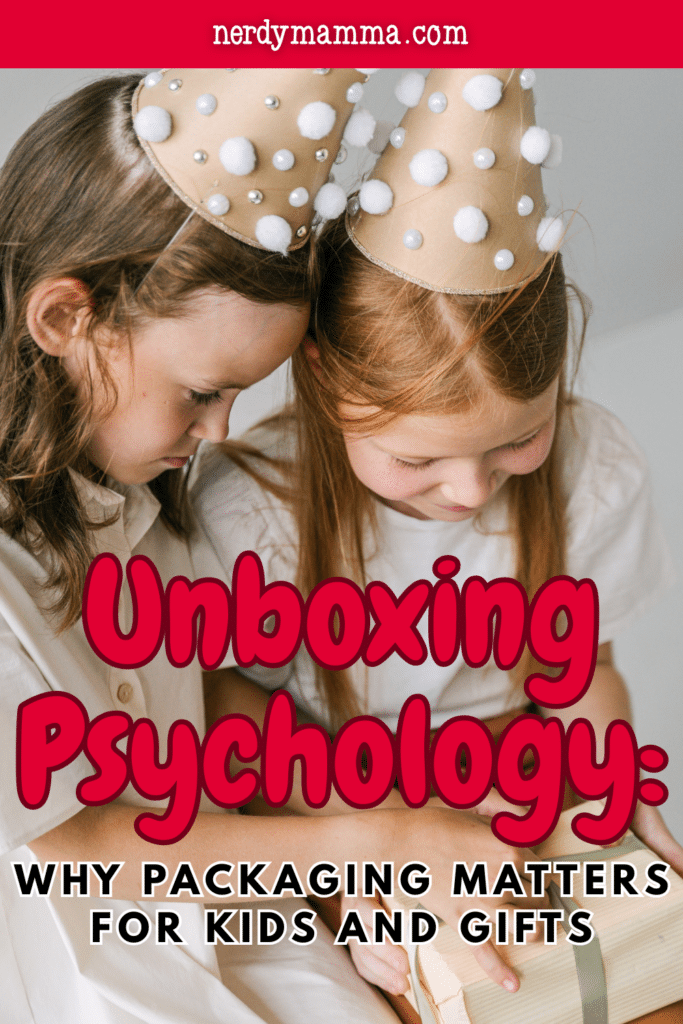
You already know kids can get wildly excited about a cardboard box. They’ll climb in it, color it, and ignore the toy that came inside. That’s why smart parents and brands look for packaging strategy resources for memorable unboxing right along with the gift itself.
When you understand what’s going on in your child’s brain during that “rip and reveal” moment, you can turn even simple presents into mini events they’ll talk about for weeks.
In this article, you’ll see why that first look at a gift matters more than you think, how kids react to color and texture, and practical ways you can “hack” packaging at home without blowing your budget.

Why Kids Go Wild for Boxes
Kids love surprises. They love mystery, they love the “what’s inside?” feeling, and they love being in charge of opening something. That moment when your child pulls on a ribbon or peels tape is pure anticipation.
Their brain is getting ready for a reward, and that anticipation can feel just as good as the gift itself.
This is also why blind bags, mystery eggs, and surprise toys are everywhere. Kids aren’t just interested in the toy. They’re hooked on the ritual: shake the box, guess what’s in there, peel the layers, finally see the prize.
Here’s the key: the packaging doesn’t have to be fancy. It just needs to give your child a sense that something special is happening.
The Kid Brain and First Impressions
Packaging is the first “hello” your child gets from a gift. Before they see the toy or book or game, they see the colors, shapes, and size of the package. Their brain starts building a story around it almost immediately.
Bright colors can signal fun and energy. Calm colors can feel cozy or “grown-up.” Cartoon characters, glittery paper, or bold patterns all tell your child, “This is for you.”
Kids are also extremely tuned in to size and weight. A heavy, rattling box feels mysterious. A light envelope feels quick and “easy win.”
Layers, Surprises, and the Power of Ritual
If you’ve ever watched your kid open a nesting doll, you already know how powerful layers can be. Kids like steps. Tear this. Open that. Lift this flap. They get a mini win at each stage before they even reach the main prize.
You can bring that same idea to your gifts at home with very simple tricks:
- Wrap in more than one layer of paper.
- Add tissue paper inside a box so they have to move it aside to find the gift.
- Use a smaller box inside a bigger box for “big reveal” drama.
- Add a little note or doodle between layers.
Texture, Sound, and All the Senses
Kids don’t just see packaging. They touch it, shake it, crinkle it, and sometimes chew it (because kids). That means your packaging is a mini sensory experience before the toy ever comes out.
You can play with this in small ways:
- Use crinkly tissue paper for a fun sound.
- Add a simple ribbon they can tug on instead of fighting with hard tape.
- Stick a textured sticker or felt shape on the box that invites curious fingers.
- Include a simple charm or tag they can keep after opening.

Turning Simple Gifts Into “Wow” Moments
You do not need expensive toys or custom-printed boxes to make your kid feel special. You just need a tiny bit of thought and playfulness. A pack of stickers, a black marker, and some tape can go a long way.
Here are a few easy ideas you can use tonight:
- Treasure map box: Draw a simple “map” on the wrapping paper with a big X where they should start ripping. Add a line like “Follow the path to your surprise.”
- Color-coded gifts: If you have more than one child, give each kid a color. One gets all the blue bows, another gets all the yellow tags. They’ll be thrilled just spotting “their” packages.
- Story box: Write a short, silly story on the box in Sharpie. Each side has one sentence. They have to turn the box to read the whole thing before opening.
Puzzle tag: For older kids, write a riddle or clue about what’s inside instead of just “To/From.”
These small touches don’t cost much, but they tell your child, “I thought about you. I made this for you.” That message stays long after the toy breaks or gets lost under the couch.
Packaging and Emotions
Packaging doesn’t just shape excitement. It also shapes how kids remember the moment. They might forget the exact brand of toy, but they will remember that time you wrapped a gift in layers of newspaper comics, or the birthday when all their presents had silly faces drawn on them.
For some kids, especially those who get overwhelmed easily, a calmer packaging style helps. Soft colors, minimal tape, and fewer layers can keep the moment happy instead of hectic.
For others, the chaos of many little surprises feels like the best party ever. You know your kid. You can match your packaging style to their personality.
When kids help wrap gifts for siblings or friends, they also learn empathy and joy in giving, not just getting. Let them draw on the paper, pick the ribbon, or choose a sticker to add. It might not look Pinterest perfect, but it will feel right to them.
When to Keep It Simple
Not every gift needs a three-step puzzle box. Sometimes your kid just needs a snack, a small toy, or a new pack of crayons handed straight to them before a meltdown hits. And that’s fine. Not every moment has to be Instagram-worthy.
The trick is to choose your moments. Save the more detailed unboxing for birthdays, holidays, and “you did something amazing” milestones. On those days, taking five extra minutes to draw stars on a box or tuck in a little note is worth it.
On regular days, a smile, a hug, and a quick “this made me think of you” works just as well.
Bringing It All Together
When you look at how your kids react to gifts, it becomes clear that the packaging is part of the gift. The colors, the layers, the feel of the box in their hands – those details help build the story in their minds.
You don’t have to overthink it or make it complicated. A few playful touches, a bit of sensory fun, and a tiny ritual around unboxing can change the whole mood.