Kids are spending more time than ever in front of devices these days. Technology is a big aspect of their life, whether they’re doing homework, playing games, or just having fun. But too much time in front of a screen might be bad for kids’ eye health.
As a parent, you need to know what the hazards are and do what you can to safeguard your child’s eyesight. This guide can help you keep your child’s eyes safe when they watch TV or play video games.
It covers everything from the risks of blue light exposure to basic things like getting regular eye checkups.
The Risks of Excessive Screen Time
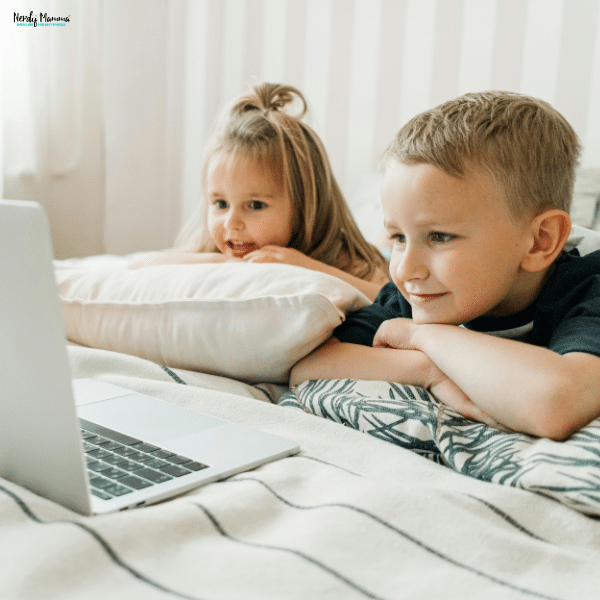
Technology has numerous benefits, but too much screen time can also be bad for health. Digital eye strain is the most prevalent problem kids have because they spend too much time in front of screens.
This problem happens when kids look at a screen for a long time without taking breaks. Headaches, dry eyes, and impaired vision are all signs of digital eye strain.
Exposure to blue light poses another concern. Screens give off blue light, which can be uncomfortable, keep your kids from sleeping well, and potentially harm your kids’ eyes over time.
There is still a study going on about the long-term consequences of blue light, although there is some indication that too much exposure might cause problems like macular degeneration later in life.
To prevent these issues, parents need to be proactive and take steps to limit the risks posed by excessive screen time.
Practical Tips for Protecting Your Kids’ Eyes During Screen Time
1. Follow the 20-20-20 Rule
Following the 20-20-20 rule is one of the most effective things you can do to keep your child’s eyes safe. Every 20 minutes, tell your kids to stop what they’re doing for 20 seconds and look at something 20 feet away. This little thing to do helps the eyes rest after looking at a screen for a while and reduces eye strain.
2. Limit Screen Time
Screens are important for learning and having fun, but too much screen time can be bad. The American Academy of Pediatrics says that kids between the ages of 2 and 5 shouldn’t spend more than an hour a day in front of a screen.
It is vital to restrict screen time for kids 6 and older so that it doesn’t get in the way of sleep, exercise, or other critical behaviors.
Setting appropriate limits for screen time helps keep a balance between using technology and doing other things like playing outside, reading, and spending time with family.
3. Encourage Proper Screen Positioning
It’s not enough just to limit how much time your child spends on their smartphone; you also need to watch how they use it. To reduce eye strain, it’s important to place your screen correctly.
Make sure your child’s screen is at eye level so they don’t have to twist their head or strain their neck. The screen should also be at least an arm’s length away from their eyes. This keeps the distance between the viewer and the screen pleasant and cuts down on eye strain.
4. Use Blue Light Glasses
Using blue light glasses is one way to reduce the negative impacts of blue light. These glasses are made to block or filter blue light, which helps keep your eyes from getting tired and lowers the chance of damage.
Many parents think that getting blue light glasses for their kids is a simple and cheap solution to keep their eyes safe while they use screens.
5. Ensure Good Lighting in the Room
The light in the room where your youngster uses a screen may have a major effect. Make sure the space is well-lit to minimize glare and eye strain. Don’t let them use screens in a dark room since the difference between the screen and the dark environment might make their eyes hurt.
Choose soft, natural lighting instead. This will cut down on glare and make it easier for your child to see the computer without being too uncomfortable.
6. Take Regular Eye Breaks
It’s still necessary to take breaks from screens even if your child follows the 20-20-20 rule. Encourage your child to do things that don’t involve screens, including playing outside, reading a book, or working on a craft project.
Giving your eyes a rest and spending time away from screens lowers the risk of developing vision disorders like nearsightedness.
The Importance of Regular Eye Exams
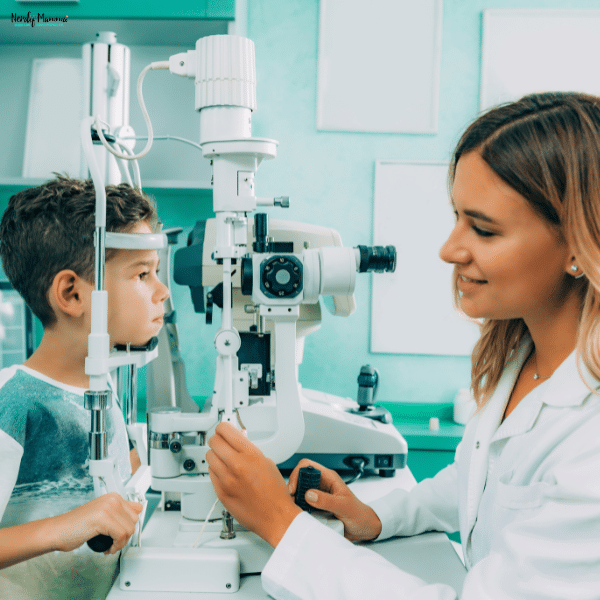
Regular eye exams are an important aspect of taking care of your eyes, especially for kids who spend a lot of time in front of screens. It’s crucial to see an eye doctor often because many eye disorders aren’t visible right away.
A vision test can find problems that could impact your child’s vision, such as nearsightedness, digital eye strain, or other diseases.
Kids should get their first eye exam by the age of one. They should have another one when they turn three and again before they start school.
After that, kids should get their eyes checked every year, especially if they start to exhibit indications of discomfort, such as squinting or complaining of headaches.
How to Manage Screen Time for Different Age Groups
For Younger Children (Ages 2 to 5)
Children in this age range should only use screens for educational activities that promote creativity and learning. Limit your child’s screen time to no more than one hour a day, and make sure they are also playing outside and doing other physical activities.
For Older Children (Ages 6 to 12)
As kids become older, they tend to spend more time in front of screens, especially as online learning has become more popular. It’s crucial to let kids use screens, but it’s also important to set limitations.
Encourage your child to take breaks often and do things that require physical activity. Screen time shouldn’t take the place of vital parts of their day, like family time, homework, or playing outside.
For Teens (Ages 13+)
Teenagers typically spend a lot of time on screens for school and social media. Set limits and encourage good practices to help them control their screen usage. Set up tech-free areas in your home, including the dining room or bedroom, to encourage family time and relaxation.
Also, tell your teen how important it is to protect their eyes and get enough sleep, as blue light can mess with their sleep routine.
Set an Example as a Parent
Kids frequently copy what their parents do, so it’s important for parents to show them how to use screens in a healthy way. Be aware of how much time you spend on screens and establish limits for yourself.
Your kids are more likely to do the same if you set a positive example by limiting your own screen time and doing things that aren’t on a screen.
Conclusion
Protecting your child’s eyes during screen time is an important responsibility that every parent should take seriously. By following practices like the 20-20-20 rule, limiting screen time, using blue light glasses, and encouraging outdoor activities, you can help reduce the risks associated with excessive screen time.
Regular eye exams are also crucial in ensuring your child’s eye health is maintained. By being proactive and mindful, you can help your child enjoy technology without compromising their vision.