
Seeing a pest inside often makes people focus on where they found it. But the problem may have started somewhere else, so it helps to understand how the pest got inside.
The three major elements of IPM are prevention, monitoring, and directed control. So it’s important to understand the difference between interior vs perimeter pest treatment before moving forward.
That’s what can make pest control decisions easier for homeowners and property managers in Collin County, TX. CitiTurf shares more information about its pest control services for people comparing different approaches.
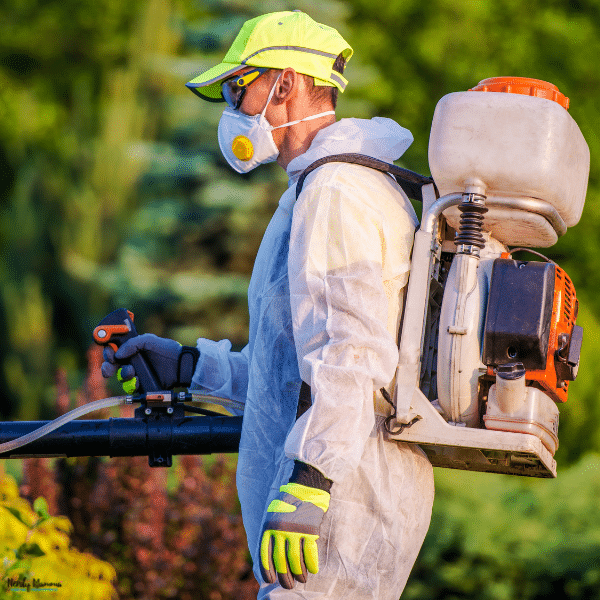
When Is Interior Pest Treatment Actually Necessary?
Treatment is often recommended when you can see activity in the house. This can include multiple sightings, droppings, damage to materials, or pest activity near food, water, storage, or utility areas.
Location matters. When evidence is limited to one area, rooms with no evidence may not need treatment.
In addition, count the number of pests observed. If they are seen every now and then, it’s probably nothing serious, but if they are in the same place every time, then it’s time to take notice.
How Does Perimeter Pest Treatment Prevent Pests From Entering?
Exterior treatment treats the exterior sections of a building where pests can enter. Typical locations to look for water damage are in the foundation, window frames, doorways, and any small exterior openings or cracks.
A perimeter pest treatment can be used alongside other treatments, such as sealing cracks, reducing excess water, and removing plants from the perimeter.
Is Interior or Perimeter Pest Treatment More Effective?
That depends on what is actually happening at the property. With interior vs perimeter pest treatment, the main questions are where the pests are, how they are getting in, and whether the immediate concern is existing activity or prevention.
If pests are already established inside, indoor treatment may be appropriate. For larger issues and entry from the outside, it may be better to focus on the exterior.
Can Interior and Perimeter Pest Treatments Be Used Together?
They can. In some homes, pests are already active indoors while gaps or other entry points remain open outside.
If that’s the case, doing so could leave out an important aspect. Indoor work can address current activity, while exterior measures focus on how more pests may be getting in.
If it’s hard to tell where the pests are coming from, using both methods may be helpful. It’s also better to look at the whole property instead of only the spot where the pests were found.

What Factors Determine Which Pest Treatment a Property Needs?
Several things can affect which treatment is the best fit:
- The pest involved
- Where activity has been seen
- Possible cracks or entry points
- Moisture and food sources
- Seasonal conditions
- Whether the issue is new or recurring
The property’s condition is also relevant. The solution for an older building with a few small problems might differ from the solution for a newer building with one isolated problem. A full view of the property can help you decide which areas to fix: the house, the garden, or both.
Are There Situations Where Interior Pest Treatment Should Be Avoided?
Some situations may not require interior pest treatment. If there are no signs of pests within the building, the best course of action may be to repair gaps, correct moisture issues, improve sanitation, and monitor the building.
This is particularly true if the probable source is located outside the building. A blank wall in a home isn’t as important as an opening around a door, a wet area close to the foundations, or overgrown landscaping. Read and obey directions on the pesticide label.
How Do Interior and Perimeter Treatments Fit Into Long-Term Pest Prevention?
Pest prevention is constantly changing as properties change. Changes or holes that didn’t exist a few months ago can result from landscaping, repairs, or weather.
For this reason, periodic checks are necessary. Closing new openings, controlling moisture, limiting food sources, and exterior maintenance can all contribute to a comprehensive food prevention strategy.
Additionally, changes are also possible seasonally. Prevention must sometimes be adapted to the situation; a house that is relatively quiet throughout one season could be infested again during another.
In Conclusion
The appropriate treatment depends upon the site of the pest activity and how the pest got to the property. When activity is found within the house, interior pest treatment may be necessary, and exterior prevention may help reduce the likelihood of future entry.
Furthermore, provide directions for minimizing the hazard of pesticide use, handling, and storage to users of pesticide products.
Have you found a successful way to post useful home-care information online? Talk to the author and share your experience about how you’ve improved your social media and engaged your audience.
