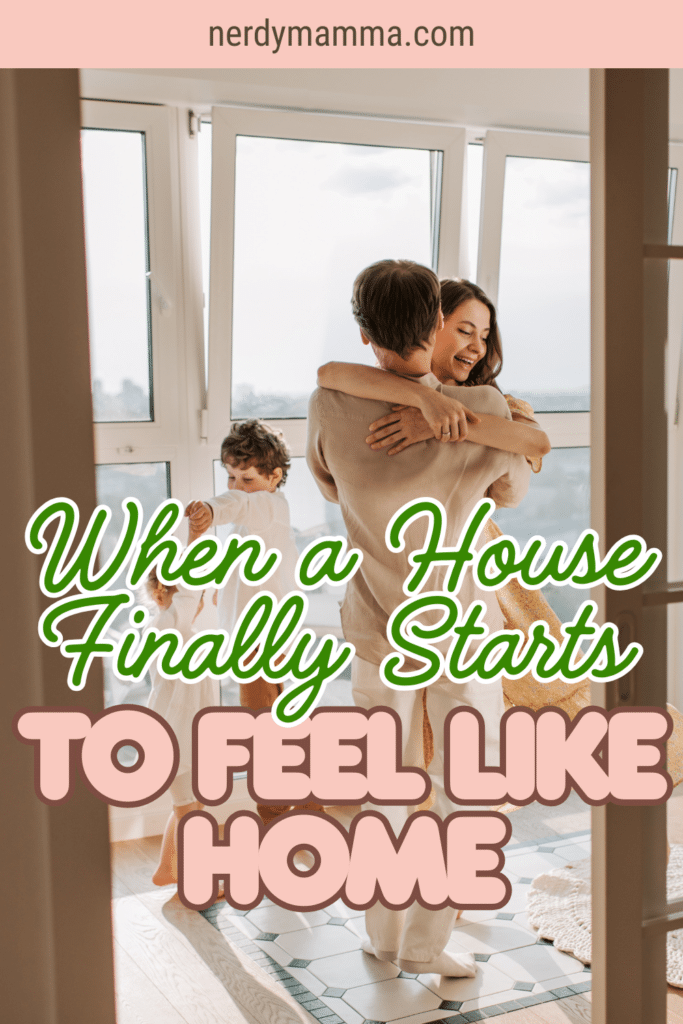
Ever wake up in your house and feel like it still belongs to someone else? The name’s on the mailbox, but the carpet, the lighting, or that awkward guest bathroom still feel foreign.
That’s because owning a house is instant—feeling at home takes time. In today’s world of hybrid work and stretched housing options, people crave comfort more than ever. Design has shifted from impressing others to supporting real life.
In this blog, we will share what it really takes to make a house feel like home, why the emotional side of design matters more now than ever, and how choices—from layout to lighting—help shape how we live in a space long after we’ve moved in.

It’s the Fixes That Free You
A home doesn’t start to feel like yours until it starts working for you. And that doesn’t happen out of the box. Most people move in and adapt to what’s there.
That tiny vanity in the bathroom. The outdated tile. The wobbly faucet no one has time to fix. But the longer those things stay, the more disconnected you feel.
That’s when a renovation turns from cosmetic to emotional. Updating your shower isn’t just about tile. It’s about not feeling frustrated every morning. Replacing the old tub isn’t just about style. It’s about finally enjoying the space where you begin and end your day.
Companies like Quality Craftsmen understand this shift. Their focus isn’t just on installations and upgrades—it’s on how those upgrades change the way you live.
Whether you’re adding storage that makes mornings easier or reworking a bathroom layout so it actually fits your family, the impact goes beyond materials. It’s about control. Comfort. And finally, breathing a little easier inside your own home.
Too often, people wait until things break to make changes. But waiting isn’t always wise. If something feels off every time you use it, that’s a signal. And fixing it now may cost less—mentally and financially—than delaying for another year.
Home Is a Feeling, Not a Feature
You can’t buy your way into belonging. Marble countertops, hardwood floors, or smart appliances won’t make a space feel like home if it doesn’t reflect how you live. That’s where many home design trends miss the mark. They sell the look, not the feel.
What actually changes the way you connect to your house is comfort. Familiarity. Function. It’s the light in the kitchen that makes the room feel warm at night. The entryway that finally works for the chaos of backpacks and shoes. The color on the walls that makes you want to stay in.
Trends come and go. Open shelving might look good on Pinterest, but in real life, you probably don’t want to see your mismatched mugs every day. Floating sinks look sleek until you realize there’s nowhere to stash toilet paper.
A house that feels like home is less about following what’s in and more about choosing what’s right.
And those right choices? They rarely show up during the first walkthrough. You learn them by living in the space. Noticing what frustrates you. Paying attention to what brings ease. Then act on that knowledge instead of pushing it aside.
Don’t Wait for Perfection to Get Comfortable
One reason people delay making changes is the idea that they need to do it all at once. The remodel has to be full-scale. Or that the room isn’t worth updating unless it’s “done.” But home isn’t about perfection. It’s about progress.
You can paint the walls today and figure out the flooring later. You can upgrade the fixtures without gutting the bathroom. Small wins stack up. And each one moves you closer to a space that reflects your needs instead of the previous owner’s taste.
There’s also something powerful about choosing to fix something just because it matters to you. Not because it boosts resale. Not because it’s trendy. But it makes your daily life better. That kind of decision builds a deeper connection to your space.

Where You Live Affects How You Live
This may sound obvious, but it’s often ignored. Your home environment shapes your habits, your energy, and even your relationships. A poorly designed space leads to tension.
A dysfunctional layout leads to wasted time. A room you avoid using is a room that subtracts from your life.
On the flip side, a home that supports your routine can change everything. A well-lit bathroom that makes mornings easier. A shower that’s relaxing instead of rushed. A layout that doesn’t make every cleanup feel like a battle.
When your home works for you, life gets lighter. It’s not just about aesthetics—it’s about flow.
Design With Memory in Mind
What finally makes a home feel like home isn’t just what you change. It’s what you experience there. A birthday dinner in the new kitchen. A quiet morning in a space you actually enjoy. These are the moments that create attachment.
That’s why design decisions shouldn’t just be practical. They should be personal. Choose colors that calm you. Storage that suits you. Lighting that makes your space feel safe at night.
Don’t design for an imagined buyer five years from now. Design for the version of you that lives there now. And if you’re looking for inspiration, exploring display homes in Australia can spark ideas that feel both personal and lasting.
The Home You Want Might Already Be Yours
Sometimes the biggest shift isn’t moving—it’s transforming the space you already have. Especially now, when housing costs are high and inventory is low, the best way to get the home you want may be to work with the home you’re in.
That doesn’t mean a massive overhaul. It might mean converting a tub to a walk-in shower. Replacing a sink. Reconfiguring storage so your mornings aren’t a scramble. These changes don’t just improve your house. They improve your experience of being in it.
It’s the small things that signal: this is yours. You chose this. You invested in this. You shaped it around your life. And slowly, the space stops feeling temporary and starts feeling like it fits.
That’s when the switch flips. Not when the paperwork clears or the furniture is delivered, but when your house finally supports your life instead of working against it.
When that happens, it stops being a place you live—and starts being your home.