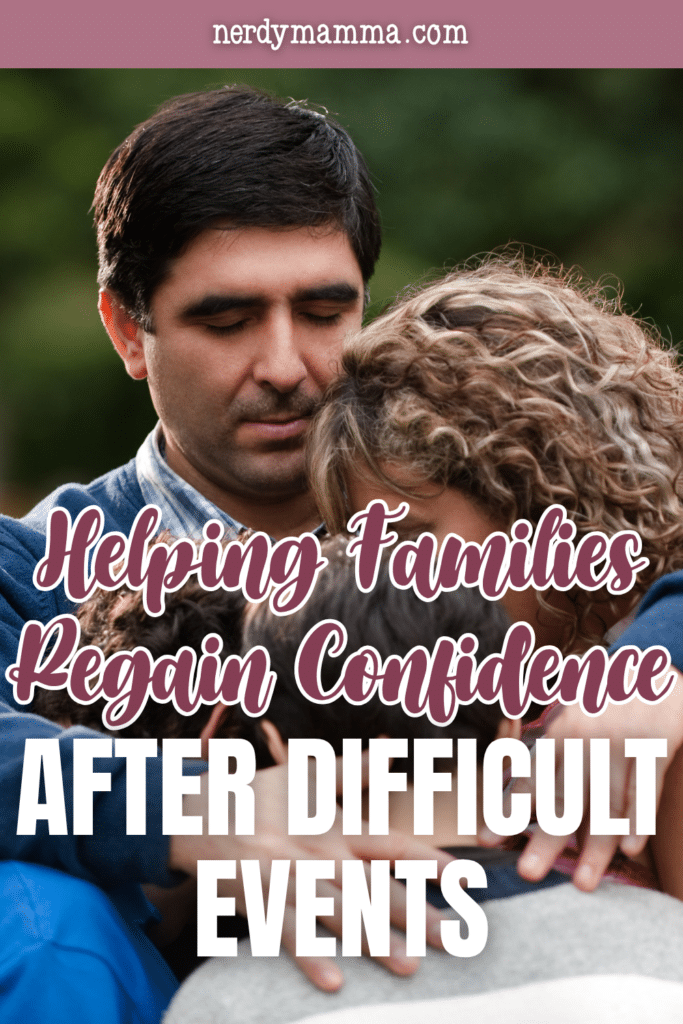
Life can change in an instant. Natural disasters, personal crises, accidents, or unexpected upheavals can leave families feeling shaken, uncertain, and overwhelmed. In the aftermath of such events, regaining confidence is not simply about rebuilding homes or restoring routines.
It is about rebuilding emotional security, trust, and hope for the future. Families often need time, compassion, and structured support to move from survival mode to a renewed sense of stability.
Understanding how confidence is affected during difficult times and what steps can help restore it is essential for long-term recovery.
When families learn how to process trauma, reconnect with one another, and find supportive resources, they are better positioned to move forward with resilience and strength.

Understanding the Emotional Impact of Difficult Events
When a family experiences a major disruption, the emotional effects can be far-reaching. Adults may feel pressure to remain strong while privately dealing with anxiety or grief, and children may struggle to understand why their world suddenly feels unsafe.
These reactions are normal responses to abnormal circumstances.
Confidence often diminishes because routines are interrupted, security is compromised, and the future becomes uncertain. Families may question their ability to cope or worry about whether they will ever feel “normal” again.
Feelings such as fear, anger, sadness, and confusion can surface unpredictably, sometimes lingering long after the event itself has passed.
Acknowledging these emotions is a crucial first step. Suppressing distress can delay healing, while open communication helps family members feel understood and supported.
By recognizing that recovery is not immediate, families can approach the healing process with patience and realistic expectations.
Rebuilding a Sense of Safety and Stability
Confidence begins to return when families regain a sense of safety. This does not necessarily require perfect circumstances; rather, it involves creating environments where individuals feel secure enough to begin rebuilding their lives.
Simple actions such as establishing temporary routines, organizing daily tasks, and maintaining regular meal or bedtime schedules can provide structure during uncertain times.
Consistency plays a powerful role in emotional recovery. When family members know what to expect from one day to the next, their stress levels often decrease. Stability also encourages trust, allowing children and adults alike to focus on progress rather than fear.
Physical surroundings matter as well. Even in transitional living situations, families can personalize their spaces with familiar objects, photographs, or comforting items.
These small touches reinforce continuity and remind individuals that their identity and relationships remain intact despite external disruptions.
The Importance of Open Communication
Effective communication strengthens family bonds and builds confidence during recovery. Difficult events may leave some members withdrawn or hesitant to express their feelings, especially if they believe others are coping better.
Encouraging honest conversations helps normalize emotional responses and reduces feelings of isolation.
Parents and caregivers play a vital role in setting the tone for open dialogue. By modeling calmness and empathy, they create safe spaces for children to ask questions or share worries.
Listening without judgment allows each family member to feel valued and heard, fostering mutual understanding.
Communication also involves recognizing nonverbal cues. Changes in behavior, appetite, or sleep patterns can signal emotional distress. Addressing these signs early can prevent deeper struggles and reinforce the message that seeking help is both acceptable and beneficial.
Strengthening Family Connections Through Shared Activities
Spending time together in meaningful ways can accelerate emotional recovery. Shared activities provide opportunities for laughter, collaboration, and emotional bonding, all of which contribute to renewed confidence.
Family walks, creative projects, or simple games can help rebuild a sense of togetherness that may have been disrupted by crisis.
These moments create positive memories that gradually replace distressing ones. They also reinforce the idea that joy and connection are still possible, even after hardship.
Over time, consistent engagement in shared experiences fosters resilience and helps families rediscover their collective strength.
Physical affection and reassurance are equally important. Simple gestures such as hugs, encouraging words, or supportive gestures can ease anxiety and reinforce feelings of safety.
When family members feel emotionally connected, they are more likely to approach challenges with confidence rather than fear.

Encouraging Independence and Personal Growth
While togetherness is vital, individual growth also plays a role in restoring confidence. Encouraging family members to pursue personal interests or goals helps rebuild a sense of autonomy.
Whether it involves returning to school, resuming hobbies, or exploring new opportunities, these steps promote self-belief and motivation.
Children, in particular, benefit from gradual exposure to normal activities. Participating in social or educational environments can help them regain trust in their surroundings and rebuild self-esteem.
Adults may find similar benefits in reconnecting with professional aspirations or community involvement.
Celebrating small achievements is key. Recognizing progress, even minor milestones, reinforces the idea that recovery is ongoing and meaningful. This positive reinforcement can transform uncertainty into determination, empowering families to move forward.
Seeking Community Support and External Resources
Families do not have to navigate recovery alone. Community support systems provide emotional reassurance and practical assistance that can significantly ease the transition back to normal life.
Local organizations, counseling services, and peer support groups often offer valuable guidance during challenging periods.
Professional assistance can be especially helpful when emotional distress persists. Counseling or therapy can provide structured coping strategies, enabling families to process trauma in healthy ways.
In some situations, accessing trusted organizations that provide disaster assistance and relief services can offer both immediate and long-term support.
Community involvement also fosters a sense of belonging. Volunteering or participating in neighborhood initiatives can help families feel empowered rather than helpless. By contributing to collective recovery efforts, individuals often rediscover their confidence and purpose.
Developing Healthy Coping Strategies
Resilience grows when families adopt coping mechanisms that promote emotional well-being. Practices such as mindfulness, journaling, or regular exercise can help manage stress and encourage mental clarity.
Establishing healthy routines around sleep, nutrition, and relaxation further strengthens physical and emotional stability.
Creative outlets can also serve as powerful tools for healing. Art, music, or storytelling provide safe ways to express complex emotions that may be difficult to articulate verbally.
These activities encourage reflection while reinforcing a sense of accomplishment and control.
It is equally important to limit exposure to distressing information. Constantly revisiting traumatic events through media or conversation can prolong anxiety. Balancing awareness with self-care allows families to focus on rebuilding rather than reliving hardship.
Cultivating Hope and Future Planning
Confidence is closely linked to optimism about the future. As families begin to recover, setting realistic goals can help transform uncertainty into direction.
Planning for upcoming milestones, such as educational achievements, travel, or home improvements, creates a sense of forward momentum.
Hope does not mean ignoring past challenges. Instead, it involves recognizing resilience and acknowledging the progress already made. Reflecting on how difficulties were overcome can inspire confidence in handling future obstacles.
Families can also strengthen their preparedness for unexpected events. Developing emergency plans, discussing contingency strategies, and maintaining communication networks provide reassurance that they are better equipped to face uncertainty.
This proactive mindset fosters empowerment and reduces fear.
Moving Forward Together
Helping families regain confidence after difficult events requires patience, compassion, and consistent effort. Recovery is rarely linear, and setbacks may occur along the way.
However, with supportive relationships, healthy coping strategies, and access to reliable resources, families can rebuild their sense of stability and self-belief.
Ultimately, confidence is restored through connection: connection to loved ones, communities, and personal strengths. By nurturing these bonds and embracing gradual progress, families can move beyond survival toward a renewed sense of hope and possibility.