
Sleep quality now depends on more than mattress feel or bedroom temperature. Fabric chemistry, moisture control, and wash durability shape how the body settles at night. Many households also weigh farming methods, fiber traceability, and waste reduction before replacing sheets or a comforter.
That change is pushing eco-friendly bedding companies to treat rest as a full-body health issue, in which comfort, skin response, heat balance, and cleaner sourcing are considered in the same decision.
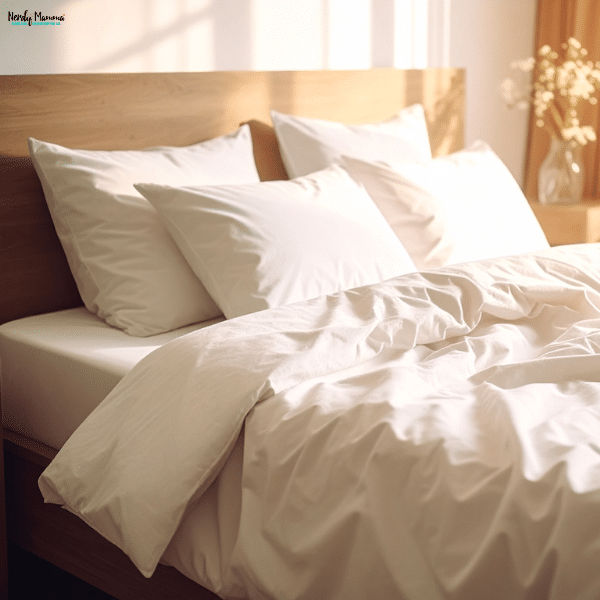
Materials Matter
Fiber choice affects airflow, surface temperature, and how bedding behaves after repeated laundering.
On product pages for the Buffy bedding brand, shoppers see eucalyptus fabric, flax linen, and Supima cotton discussed in practical terms, with an emphasis on cooling, moisture control, softness, and wear life. That framing reflects a broader shift away from vague claims and toward measurable sleep benefits.
Performance Sells
Comfort keeps sustainable bedding from staying a niche purchase. Breathable textiles can limit heat buildup, reduce overnight dampness, and help the skin feel less irritated by morning.
Warm sleepers usually notice those changes first. A sheet set that releases moisture well may help maintain a steadier body temperature, which can reduce sleep disruption and lessen the sticky discomfort that often follows heavy fabrics.
Proof Beats Claims
Shoppers now inspect bedding with more discipline than they once did. Fiber source, weave type, wash instructions, and expected lifespan often carry more weight than polished copy.
Clear product details matter because sheets, covers, and other items are in direct contact with skin for hours at a time. When a company explains where linen is grown or how a fill handles trapped heat, trust develops on firmer ground.
Reviews Guide Demand
Public feedback has become a useful test for bedding quality. Thousands of strong ratings suggest repeat satisfaction, yet numbers alone are rarely enough. Buyers read closely for mentions of pilling, overheating, fabric noise, or shrinkage after cleaning.
Those details matter because sheets and duvet covers come into contact with the body every night. Long-term use reveals whether softness lasts, whether breathability remains stable, and whether irritation develops over time.
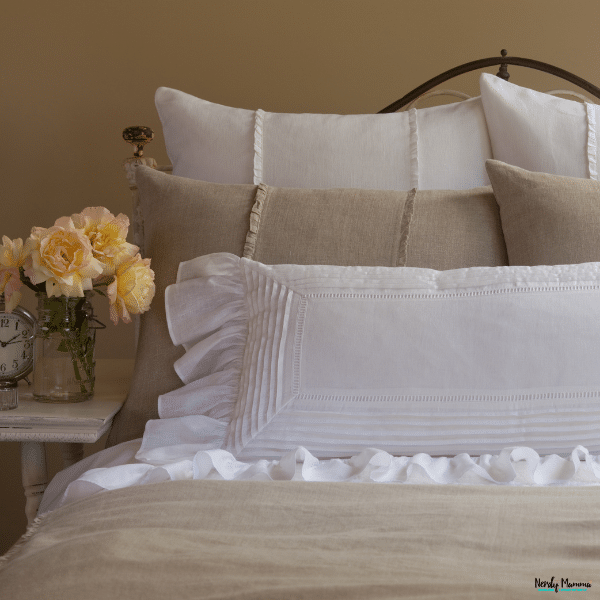
Shorter Product Cycles Are Losing: Shift Towards Sustainability
Disposable bedding creates a hidden health and waste burden. Thin fabric can quickly roughen, trap perspiration, and lose its structure after frequent washing. Longer-lasting textiles cut replacement cycles and reduce landfill volume at the same time.
Linen keeps a strong reputation here because its fibers hold up under regular use. A product that remains serviceable for years often offers greater environmental value than a short-lived “green” label.
Cooling Has Become Central
Thermal regulation now drives many bedding decisions. People who feel hot while sleeping often look for fabrics that move moisture away from the body and prevent excessive heat retention.
That preference has helped eucalyptus-based options gain traction. Cooling claims matter because excess warmth can interrupt deep sleep, raise nighttime waking, and leave muscles feeling less restored by morning.
Practical temperature relief often speaks louder than any sustainability message.
Design Still Counts
Responsible bedding no longer asks people to accept a narrow visual range. Texture, color depth, and room compatibility still influence which set reaches the cart. Wider palettes matter because bedrooms serve psychological as well as physical recovery.
Soft neutrals may calm visual stress, while richer tones can make a room feel grounded and secure. Sustainable products gain broader appeal when they fit into ordinary homes without compromising aesthetics.
Better Buying Habits
Bedding shoppers are asking sharper questions than they did a few years ago. Many want to know where cotton was grown, how flax was processed, or whether a comforter can manage night sweats.
Fiber choice affects airflow, surface temperature, and how bedding behaves after repeated laundering. That curiosity improves the market. Brands with plain, factual answers tend to earn more confidence than those relying on broad promises.
Better information supports wiser purchasing, and wiser purchasing can reduce unnecessary household waste.
Conclusion
Eco-friendly bedding is changing sleep by connecting comfort with physiology and accountability. The strongest products address heat retention, moisture buildup, skin sensitivity, and long-term wear in one coherent package.
Buyers are responding by reading labels more carefully and expecting clearer evidence before making a purchase. As that standard rises, bedding companies will face greater pressure to make products that feel better, last longer, and place fewer demands on the environment.
