
Replacing an aging roof requires a material choice that aligns perfectly with the home’s structure, budget, and local weather. Asphalt shingles remain a practical roof replacement option because they provide manageable installation, broad style selection, and dependable water shedding.
Their layered construction protects the roof deck while allowing contractors to inspect ventilation, flashing, and drainage during replacement.
Homeowners in Cincinnati should prioritize material selection that allows for reasonable maintenance and a solid installation. Several factors explain why asphalt shingles continue to fit residential replacement projects.
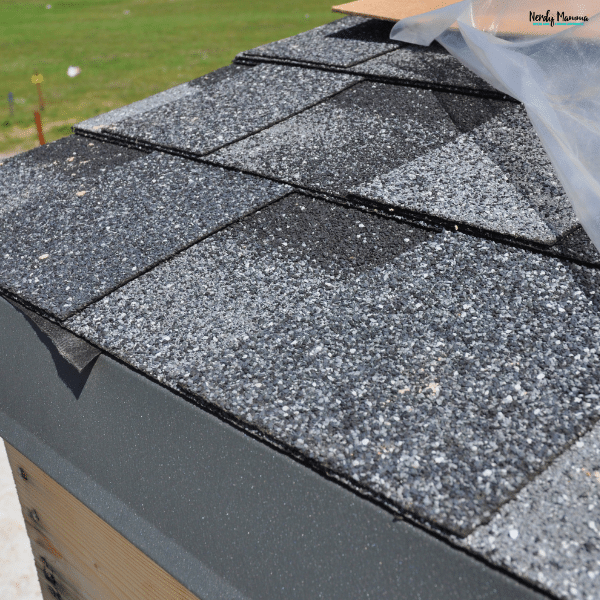
Easy Compatibility with Residential Roofs
Roof replacement begins with an inspection, not a shingle order. A contractor checks the deck, ventilation, flashing, and drainage before preparing an estimate.
Cincinnati homeowners comparing materials can review asphalt shingles roof replacement in Cincinnati alongside the roof’s slope, existing condition, and maintenance needs. That process keeps the decision tied to the property instead of appearance alone.
Asphalt shingles suit many residential roof designs because manufacturers produce them in common profiles and colors. Their relatively lightweight feature places less stress on roof framing than heavier materials.
Standard installation also uses familiar components, including underlayment, flashing, ventilation, and ridge caps. This compatibility simplifies planning when an existing roof has conventional slopes and penetrations.
Before new shingles are applied, a contractor must still verify that the deck and framing satisfy the project specifications.
Predictable Planning for Replacement Budgets
The cost of materials is important because a replacement budget takes into account more than just the cost of shingles; it also includes labor, disposal, repairs, and finishing details.
Asphalt shingles usually rely on widely available materials and standard tools, which keeps installation planning straightforward. Costs still vary according to roof size, slope, access, the number of existing layers, and deck condition.
A written estimate should separate removal, replacement materials, repairs, and ventilation work. Homeowners should compare the scope of each proposal rather than selecting just the lowest total price.
A lower bid can omit deck repairs, ice barrier areas, or flashing replacement that the roof requires. Any subsequent revisions are easier to review when the line items are clear.
Performance in Cincinnati Weather
Cincinnati weather brings cold temperatures, rain, wind, and occasional hail, so roof details require careful review before installation. Shingles shed water through overlapping courses, while underlayment provides another protective layer beneath them.
Flashing is used to redirect water away from chimneys, vents, and other points where walls meet.
A sound ventilation system moves warm, moist air from the attic and reduces conditions that support condensation. Proper eave and ridge details also help air move through the roof assembly.
The finished roof depends on correct fastening, sealed penetrations, and clear drainage paths, not shingle color alone.

Maintenance and Inspection Priorities
Routine inspections help preserve any roof, including an asphalt shingle system. After severe weather, a homeowner should look for missing, lifted, or cracked shingles, exposed fasteners, damaged flashing, and granules in the gutters.
Upon inspection of the attic, one may notice signs of water intrusion, such as deck lighting, wet insulation, or discoloration.
Roof maintenance also includes clearing gutters and trimming branches that rub against the roof surface. Small defects deserve prompt repair because water can reach the underlayment and deck before an interior damage appears.
Records of inspections and repairs help homeowners track problems and plan future replacement work.
Selecting Color and Profile
Color and profile are important for esthetics, but when choosing a roof, it’s best to consider the shape of the roof and the houses in the area.
Dark shingles absorb more solar heat than light colors, although attic ventilation and insulation also affect indoor comfort. Homeowners should check local rules, association requirements, and manufacturer specifications before selecting a color or profile.
Matching the existing siding, trim, and masonry can create a consistent exterior without changing every surface at once. Samples should be viewed outdoors because screens and indoor lighting distort color.
The final choice should align with the roof slope, visible area, and expected maintenance needs.
Installation Details That Matter
Installation quality affects performance more than the material label alone. The contractor should remove loose roofing, inspect the deck, replace damaged sections, and install underlayment and flashing according to the project plan.
Proper nail placement secures shingles, while sealed penetrations limit leaks around vents and chimneys.
Ventilation requires balanced intake and exhaust openings rather than an exhaust fan alone. Cleanup matters as well. Nails, scraps, and old roofing should leave the property safely after each workday.
A final inspection should confirm straight courses, sealed details, clear drainage paths, and acceptable attic conditions before the project ends.
Conclusion
An asphalt shingle replacement makes sense when the roof structure, budget, appearance goals, and maintenance plan support the material. A sound decision begins with a roof inspection and a written scope that separates repairs from installation.
Homeowners should confirm deck condition, ventilation, flashing, and cleanup responsibilities before work starts. After completion, inspections following severe weather can identify damage early.
Addressing small defects promptly gives the new roof a practical maintenance plan and helps protect the home.
