
When you decide to make your home more energy efficient, there are a number of things you consider doing. Air sealing and insulation feature prominently on that to-do list. The two work together; however, doing them in the wrong order could cost you a lot of money down the line.
That’s why you should know how air sealing and insulation differ before any work starts. With that sorted out, it’s much easier to plan the job and set a realistic budget. You also won’t end up paying to fix the same problem twice.
A professional home energy assessment (AI Greenhome does these) shows where air is leaking and where the insulation falls short, so you’ll know which project comes first.
What Is the Difference Between Air Sealing and Insulation?
You’ll often hear the two mentioned together, but they do different jobs. Insulation slows heat moving through your attic, walls and floors. Air sealing closes the gaps and cracks that let air in and out of the house.
According to the U.S. Department of Energy, insulation doesn’t necessarily stop air movement. So even a well-insulated attic can still lose warm air through gaps around pipes, wiring, vents and light fixtures. That’s why you need both if you want your home to stay comfortable.
How Much Do Air Sealing and Insulation Cost?
Air sealing is usually the cheaper of the two. According to Spectrum News, when you do it yourself, sealing leaks usually costs around $100 to $200 in materials. However, if you’re going with a professional, expect to pay anywhere between $500 and $2,000.
On the other hand, you’ll pay an average of $1,500 to $3,000 for attic insulation, which is quite the investment.
It’s hard to give a fixed final price. The total cost depends on your home’s size, the insulation type, and how accessible the attic and wall cavities are.
But homeowners, when possible, should book both jobs together as it might lower your labor costs since the crew only has to set up once.
How Much Energy Can You Save by Air Sealing and Adding Insulation?
How much you save depends on how leaky your home is to begin with. ENERGY STAR says homeowners can save about 15% on heating and cooling costs. That’s roughly 11% on total energy costs. You can get there by sealing air leaks and adding insulation to the attic, crawl space floors and basement.
Air sealing usually pays for itself faster, because it costs less upfront. Most homeowners make the money back in six months to two years. You’ll notice the difference in your energy bills as well. A sealed, insulated home is less drafty, lets in less dust and pollen, and makes humidity easier to control.

Should You Air Seal and Insulate Your Home Yourself or Hire a Professional?
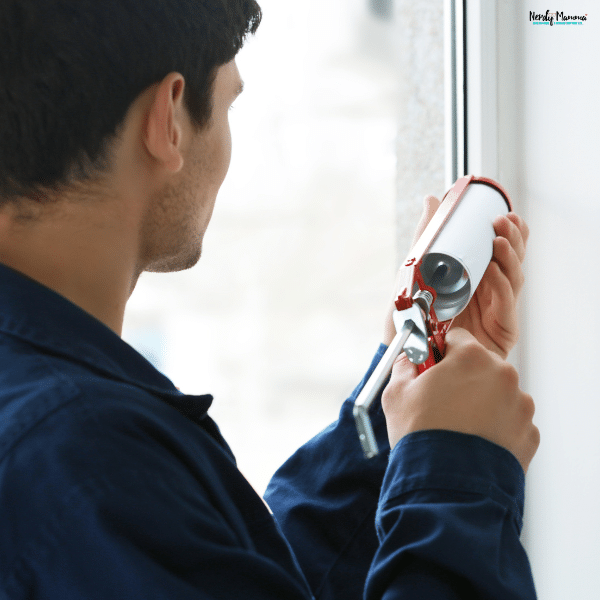
Some of this work is easy to do yourself. Small leaks around door frames, windows and pipes can usually be fixed with caulk, plus weatherstripping for doors and windows. Another effortless one is rolling out insulation in spaces like open attic floors.
That said, there are a few cases where it makes sense to call in a pro:
- You suspect hidden leaks around recessed lights, plumbing or ductwork in the attic.
- You have a gas furnace, boiler or water heater. Sealing too tightly without checking ventilation can let carbon monoxide back into the house.
- The attic or wall cavities aren’t safe to reach.
- You’re planning a bigger upgrade, like blown-in insulation or spray foam.
What Is the Best Order for Air Sealing and Insulation Projects?
Most of the time, professionals will advise that you first air seal, then proceed to insulate. Insulation covers wiring holes, duct openings and other gaps in the attic floor.
Therefore, starting with insulation means you’ll have a harder time finding such gaps that need sealing. In fact, most projects would require that you pull back the insulation to reach the leaks, which adds to the labor cost.
In Conclusion
The short version: air sealing stops air leaks, and insulation slows heat loss. Both bring down energy bills and make a home more comfortable. They just need to happen in the right order.
Air sealing costs less and comes first. Insulation goes in after. If you can’t tell where to begin, ask a professional to assess your home before any work is done.
