
Imagine checking your bank account at the end of the month and realizing you’ve saved more than expected without cutting back on the things you enjoy. It sounds unlikely, but sometimes, the most effective savings strategies aren’t the ones that require major sacrifice.
Even simple steps, such as comparing savings options by searching for credit unions near me, can help you find better ways to make your money work harder.
They’re the ones that quietly work in the background, helping you keep more of your money without adding stress.

Many assume that saving more means spending less, but that’s only part of the equation. What often gets overlooked are the small behavioral changes and smart systems that allow you to build momentum without constant effort.
The key is learning to set up those systems in a way that suits your habits, not just your budget.
In this article, you’ll find five surprisingly effective strategies that won’t disrupt your lifestyle but will help your money go further, faster:
1) Immediately Put Your Savings into a High-Interest Account You Don’t Touch
One of the easiest ways to grow your money without thinking about it is to immediately allocate a portion of your income into a high interest savings account like one from Maya Bank. If that account is kept separate from your everyday funds, you’re far less likely to dip into it on impulse.
This simple setup will remove a lot of the mental friction of saving and will help you stay consistent even during unpredictable months.
Start by reviewing your monthly cash flow to choose an amount you can comfortably set aside. Then, make it a regular habit to transfer that amount into a savings option that does the quiet work for you: earning solid interest while staying out of sight and out of reach.
Skip linking it to any card or app you use often in order to reduce temptation. You can choose a particular date for depositing part of your income into your savings account, like every 15th or 30th of the month.
Over time, this approach builds a stronger savings habit in the background. You’ll be surprised how quickly it adds up, especially when you leave it untouched and let the interest work in your favor.
2) Use the 30-Day Rule, but Flip It for Impulse Refunds
Regret often creeps in once the thrill of a spontaneous buy wears off. If you’ve ever grabbed a flashy gadget or outfit on impulse, only to return it days later, you’re not alone. But instead of letting that refund quietly merge back into your regular spending, use it as a savings opportunity.
Any time you undo a purchase you didn’t truly need, redirect the refunded amount straight into your savings account.
Let’s say you return a PHP 4,000 smartwatch you bought in a rush. Once the refund hits, transfer that PHP 4,000 into your savings. It’s a simple move, but one that transforms a misstep into forward progress.
This tactic isn’t just about recovering money. It reinforces a smarter mindset. By treating refunds as second chances to grow your savings, you build the habit of pausing, reflecting, and turning momentary regret into financial momentum.
3) Turn Subscription Fatigue into a Savings Challenge
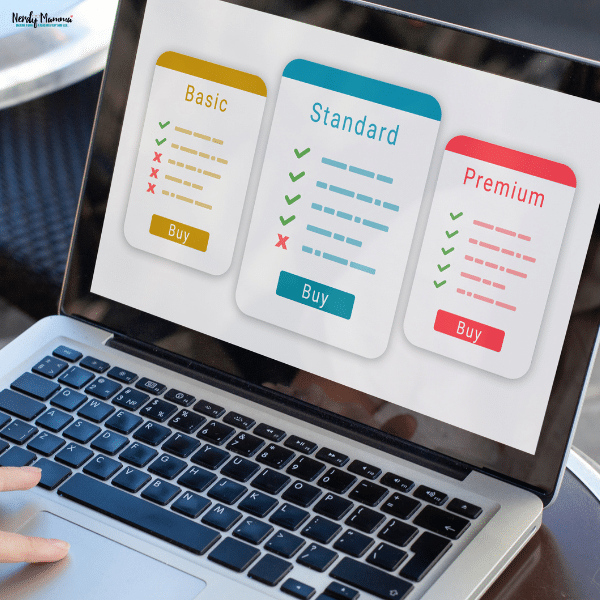
Monthly subscriptions have a sneaky way of accumulating, from streaming services to apps to digital memberships. What starts as convenience can turn into clutter, especially when half of them go unused. Instead of simply canceling and forgetting them, treat this clean-up as a savings challenge.
One of the easiest places to start is your subscription list. Take a few minutes to scan your account for repeat charges and cancel anything that no longer adds value. For each cancellation, take the monthly amount you would’ve paid and transfer it to your savings for the next three months.
This gives you a clear, trackable win and turns unsubscribing into a reward, not just a cutback.
As the totals add up, you’ll feel the benefit in real time. It’s a simple mindset shift: transforming low-value spending into meaningful progress while reconnecting with what’s truly worth your money.
4) Split Unexpected Money the 70/30 Way
Windfalls often disappear faster than expected. Tax refunds, performance bonuses, or even birthday envelopes tend to get treated like free money and spent accordingly. Instead of letting a windfall slip away, set a simple rule: save 70 percent and enjoy the remaining 30.
If you receive a PHP 10,000 bonus, for example, you could immediately move PHP 7,000 into your savings, then use the rest for something you’ll enjoy without guilt. Perhaps a nice dinner, a makeover, a long-postponed upgrade, or a weekend activity.
This method keeps things flexible while still prioritizing long-term goals.
What makes this approach effective is that it allows room for enjoyment, making it easier to stick with. You’re not just saving; you’re spending with intention.
5) Batch Your Non-Essential Spending to One Day a Month
Impulse spending often doesn’t come from big purchases, but from the steady drip of small, unplanned ones. A quick takeout order here, a streaming rental there, and suddenly, your budget feels tighter than it should.
To regain control without cutting off enjoyment, try consolidating all your non-essential spending into one designated day each month.
Simply put, delay anything that’s not essential and give yourself time to decide if it’s truly worth it. Whether it’s a new shirt, trendy accessory, coffee upgrade, or home décor item you’ve been eyeing, keep a list throughout the month.
When your chosen day arrives, take stock of what still feels worth buying. Some things might lose appeal, but the ones that remain will reflect clearer priorities.
Even a minor shift like this will allow you to spend more intentionally and break the habit of emotional purchases. It also creates space between want and action, giving your budget room to breathe.

In the end, improving your saving habits doesn’t have to mean overhauling your lifestyle. Often, the real progress comes from making smarter choices with the money you already have. After all, every habit starts with one small shift.