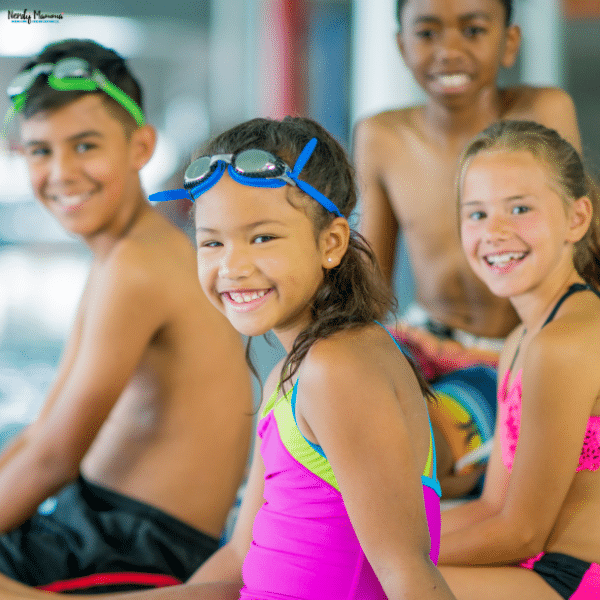
Swimming brings many great rewards for young children. Starting early helps children feel safe around water and gives parents peace of mind.
Water activities build strong bodies and active minds. Children gain skills that stay with them as they grow.
Learning to float and move in water is a fun journey. Every splash helps build confidence and balance. Swimming gives children a healthy way to play and grow every single day.
Continue reading to discover everything you need to know!
Early Water Safety Skills
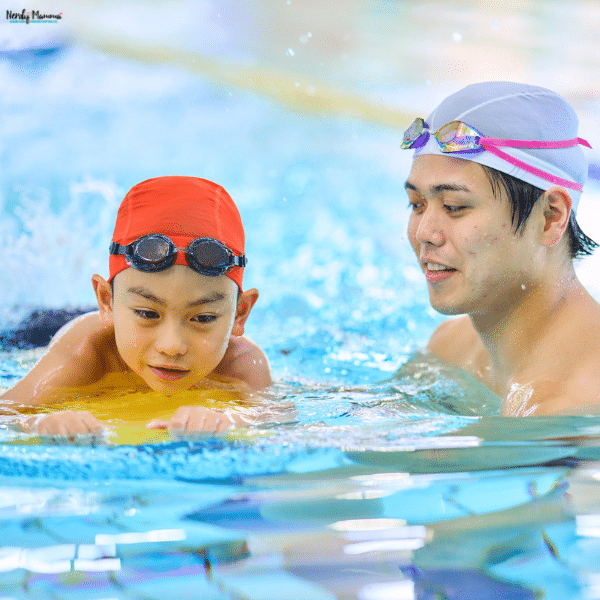
Water safety is a key priority for every young family. Enrolling your child in kids’ swim lessons helps them stay safe around pools and lakes. They learn simple safety rules early, and these habits keep children safe during summer fun.
Children learn how to float on their backs when they need rest. Floating helps them keep their heads above water without getting tired. This simple skill saves energy in deep water.
Safety training teaches children not to jump into water without an adult nearby. They learn to respect pool boundaries. Swimming instructors teach children how to find the edge of a pool quickly.
Learning safety rules builds confidence near water. Children understand what to do if they accidentally slip into deep water. Knowing how to reach the pool wall gives children calm confidence.
Building Safety Habits
Consistent practice makes water safety feel completely natural. Young swimmers practice floating until they can do it without help. Repeating these movements builds strong habits.
Instructors guide children through gentle water entry steps. Children learn to wait for permission before touching the water. Simple safety games reinforce these lessons every week.
Parents see clear progress as children follow safety rules. Children gain awareness of their surroundings near open water. Safe habits protect children during backyard pool play or beach trips.
Practicing safety skills every week forms lasting muscle memory. Children react quickly and calmly in water settings. Strong safety habits create a foundation for fun water adventures.
Physical Growth and Coordination
Swimming uses almost every muscle group in the body. Young swimmers build strong arms and legs as they kick and paddle. Water provides smooth resistance that strengthens young bodies without harsh impact.
Kicking through water develops core muscles and balance. Strong core muscles help children sit straight and run with ease. Regular time in the water improves physical posture.
Moving through water requires smooth movement from head to toe. Children learn to coordinate their legs and arms together. This physical practice improves general body movement.
Consistent swimming builds endurance in growing bodies. Children gain physical stamina through fun water play. Stronger bodies help children excel in other active sports.
Water resistance offers a complete physical workout. Young bodies gain balance and agility without feeling heavy strain. Playing in water keeps physical fitness enjoyable and light.
Stronger Muscles and Joints
Water supports body weight as it builds strong muscles. Swimming lets children exercise without putting stress on growing joints. Smooth water movement keeps joints flexible and healthy.
Lifting arms and kicking legs builds muscle tone naturally. Strong muscles protect bones as children play and explore. Active swimmers grow stronger with every pool session.
Gentle water resistance builds endurance naturally through practice. Children stay active for longer periods without feeling worn out. Healthy muscles support all kinds of active play outside the pool.
Smooth water buoyancy allows free movement without strain. Growing joints move through full ranges of motion safely. Gentle aquatic exercise supports general physical wellness.
Muscle Memory and Balance
Floating and swimming teach the body how to balance in space. Water pushes against the body from every angle. Children learn to adjust their posture to stay afloat.
- Builds strong core muscles
- Improves balance in water
- Supports healthy physical posture
- Boosts full-body coordination
- Increases natural physical stamina
These physical skills help children on dry land as well. Balanced children fall less often during playground games. Muscle memory formed in the pool helps with sports and daily play.
Brain Growth and Learning Skills
Water movement stimulates brain development in unique ways. Moving both sides of the body together builds new neural pathways. Bilateral movement helps the left and right sides of the brain communicate.
Swimming helps children process sensory information quickly. Water temperature and gentle pressure stimulate the nervous system. These sensory input signals help the brain grow.
Active swimming supports focus and attention skills. Children learn to listen carefully to instructions as they move. Listening in class becomes easier after practicing in the pool.
Engaging multiple senses in water sharpens cognitive focus. Young brains process visual and physical feedback together. Swimming creates a rich learning environment for young minds.
Brain stimulation in water supports memory retention. Following swim instructions strengthens processing skills. Swimming makes mental growth a natural part of play.
Cross Pattern Body Movement
Cross pattern movements happen when arms and legs work across the body’s center. Swimming strokes rely heavily on these crossed movements. Reaching forward with opposite arms strengthens brain connections.
Strong brain connections aid early learning skills on land. Children who practice cross-pattern movement often show strong reading skills later. Pushing water builds spatial awareness and mental clarity.
Brain growth happens naturally through active play. Learning new strokes challenges the mind in positive ways. Swimming provides a fun mental and physical workout.
Rhythmic swimming movements help organize neural pathways. Children improve hand-eye coordination through stroke practice. Cross pattern training builds a strong foundation for future learning.
Building Personal Confidence
Mastering new skills in the water boosts self-esteem. Children feel proud when they learn to float on their own. Small wins in the pool lead to big confidence boosts.
Trying something new can feel scary at first. Swimming lessons give children a safe place to conquer small fears. Success in the water teaches children that they can tackle hard tasks.
Confident swimmers feel comfortable trying new physical games. They carry this positive mindset into school and social groups. Believing in oneself starts with simple accomplishments in the water.
Earning praise from instructors builds emotional resilience. Children feel encouraged as they master tricky movements. Positive feedback turns shy beginners into confident swimmers.
Confidence gained in water carries over to daily activities. Children feel ready to try new hobbies with enthusiasm. Early success creates a positive self-image.
Overcoming Water Fears
Many young children feel nervous around water. Gentle instruction helps them feel safe and supported. Taking small steps builds trust between the child and instructor.
Placing toes in the pool is a great first step. Splashing softly helps children see that water can be fun. Step-by-step progress eliminates fear and builds comfort.
Overcoming fear creates resilience in young minds. Children learn that brave actions lead to fun achievements. This mental strength helps children face other new challenges with ease.
Patience from teachers transforms fear into genuine excitement. Children learn to trust their own abilities in deep water. Conquering early fears prepares children for life challenges.
Better Sleep and Rest
Active swimming healthily burns energy. Water resistance requires steady effort from the whole body. Children finish swim sessions feeling happily tired and relaxed.
- Calms young restless minds
- Promotes deep evening sleep
- Restores daily physical energy
- Supports healthy sleep routines
- Relieves daily physical tension
Deep sleep supports healthy growth and mental focus. Children who swim regularly fall asleep faster at night. Restful nights lead to cheerful mornings and bright days.
Good sleep habits support strong immune systems. Resting well lets young bodies repair muscles and recharge. Swimming sets the stage for peaceful nights.
Social Skills with Peers
Group swim lessons give children opportunities to make friends. Children share smiles and high fives during group practice. Learning together creates a friendly atmosphere.
Swimmers learn to take turns and share pool space. Waiting for a turn teaches patience and respect for others. Good manners in the pool transfer to classroom behavior.
Group games teach team spirit and cooperation. Children cheer for their peers during simple swimming tasks. Social interaction builds strong communication skills early in life.
Sharing fun moments builds lasting friendships. Children look forward to seeing swim mates each week. Positive group settings help shy children open up.
Interacting with classmates encourages healthy communication skills. Children learn to follow group rules and listen to teachers. Social swimming builds social confidence in young learners.
Working together in water builds trust among peers. Children learn to support each other during group drills. Lifelong friendship often starts in swim class.
Bonding Time for Families
Parent and child swim sessions create special family memories. Being in the water together builds deep emotional trust. Holding your child in the pool offers comfort and safety.
Shared laughter in the water brings families closer. Unplugging from devices lets parents focus completely on their child. Quality time in the pool strengthens family relationships.
Parents celebrate every new skill right alongside their child. Watching a child gain confidence brings joy to parents. These shared milestones create happy family memories.
Water play provides distraction-free quality time for families. Parents and children focus entirely on playing together. Loving support in water builds emotional security.

Fun Activities in Water
Pool games make family swim time exciting. Playing simple games keeps children eager to practice their skills. Splashing together creates happy moments for everyone.
Singing songs during floating exercises keeps young swimmers calm. Gentle games teach skills without feeling like hard work. Fun experiences make children look forward to every pool visit.
Family pool trips offer great weekend entertainment. Swimming together encourages an active lifestyle for the whole family. Healthy family habits start with fun water outings.
Creative pool toys make practice feel like simple playtime. Diving for soft rings builds underwater comfort naturally. Joyful games keep children eager to return to the pool.
Healthy Lifelong Habits
Early swimming lessons set the stage for a lifetime of fitness. Children who enjoy swimming tend to stay active as they grow. Regular movement keeps bodies healthy and strong.
Swimming is a skill that lasts throughout life. People of all ages can enjoy water exercise safely. Starting young creates a positive attitude toward active living.
Choosing active play over screen time builds healthy habits. Swimming provides a fun way to stay active during warm months. Early habits shape long-term health choices.
Developing a passion for swimming encourages lifelong wellness. Children learn that exercise is enjoyable and rewarding. Active habits formed early protect health for years to come.
Fitness through swimming builds lifelong health habits. Children view movement as a fun part of their routine. Active choices made today benefit children for decades.
Heart and Lung Health
Swimming provides a fantastic cardiovascular workout. Moving through water makes the heart pump oxygen steadily throughout the body. Strong hearts support daily energy and stamina.
Controlled breathing in water builds healthy lung capacity. Children learn to inhale deeply and exhale slowly through their nose or mouth. Proper breathing technique strengthens respiratory muscles.
Strong lungs help children in other sports and daily play. Efficient breathing keeps young bodies supplied with steady energy. Regular swimming keeps the heart and lungs in top shape.
Aerobic water exercise strengthens heart muscles gently. Good circulation delivers fresh nutrients to growing tissues. Healthy cardiovascular systems keep children energetic and active.
Building strong lungs improves endurance for all activities. Children breathe easier during active playground games. Healthy lungs support active growing bodies.
Stress Relief for Children
Water has a natural soothing effect on young minds. Gentle water pressure calms the nervous system and relaxes muscles. Floating weightlessly reduces physical stress after a busy day.
Splashing and gliding through water releases built-up energy. Physical movement helps clear the mind of frustrations. Swimming gives children a healthy outlet for emotional expression.
Relaxing in the pool promotes emotional balance. Children leave the water feeling happy and refreshed. Swimming supports mental wellness alongside physical health.
Quiet floating sessions give children quiet moments to unwind. Water warmth eases physical tension after long school days. Soothing water environments support calm emotional states.
Floating softly helps children release bottled-up energy. Moving smoothly in water calms busy thoughts naturally. Peaceful swimming sessions leave children relaxed and content.
Start Helping Your Child Learn to Swim Early Today
Teaching your child to swim early offers many wonderful benefits. Water safety skills protect young children and build physical strength and mental confidence. Swimming supports healthy growth and sets the foundation for a lifetime of fun.
Looking for more tips and ideas? We’ve got you covered. Check out some of our other posts now.
