
A serious truck accident can leave an injured person facing pain, confusion, medical decisions, and financial pressure at once. The first actions after the collision affect health, evidence, insurance discussions, and any later compensation claim.
Even when injuries seem manageable, symptoms can worsen after adrenaline fades. A careful response protects recovery and preserves useful information. The following steps explain what an injured person should do immediately, then address the legal process that can follow.
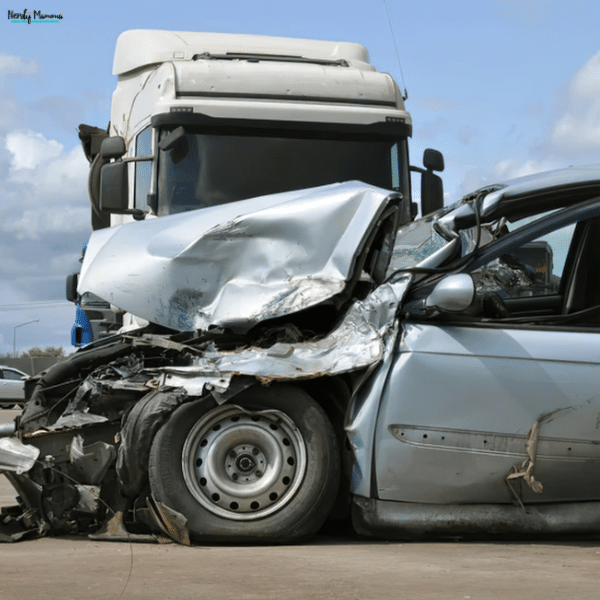
Anyone injured in a Belen truck accident case should also record how the crash affects daily life. Notes about pain, sleep, mobility, missed work, household tasks, and medical appointments provide a clearer account than memory alone.
This information helps connect physical injuries with practical losses and supports consistent communication with insurers and legal advisers.
Get Medical Care Immediately
Call emergency services if anyone has severe pain, bleeding, breathing difficulty, loss of consciousness, or suspected spinal injuries. Do not move an injured person unless immediate danger requires it. A dispatcher can send paramedics and arrange police attendance.
Accept medical assessment at the scene, even if injuries seem minor. Truck collisions create substantial forces that can cause concussion, internal injuries, fractures, and soft-tissue damage. A medical record also connects symptoms with the crash.
Follow discharge instructions and attend every recommended appointment. Keep prescriptions, treatment plans, imaging reports, receipts, and travel costs in one folder. These records show the required treatment and the expenses incurred as a result of the collision.
Stay Safe and Preserve the Scene
Move to a safe location only when emergency personnel permit it. Standing near traffic creates another risk, particularly on a busy motorway or at an interchange. Keep the vehicle where it stopped unless police direct otherwise.
If the person can do so safely, photograph vehicle positions, road conditions, traffic signs, visible damage, debris, skid marks, weather, and nearby lighting. Record the truck’s registration details, company markings, trailer information, and direction of travel.
Obtain names and contact details for witnesses. Witness accounts can clarify speed, lane changes, braking, traffic signals, and driver behavior. The injured person should avoid arguing with the truck driver or discussing fault at the scene.

Retain Evidence and Avoid Public Statements
Do not post photographs, opinions, or updates about the crash on social media. Insurers can use public statements to question injury severity, activity levels, or the account of events. Privacy settings do not guarantee that a post stays private.
Keep the damaged vehicle, clothing, helmet, child seat, and other relevant items. Do not repair or dispose of anything before photographs and an inspection are taken, unless safety or storage needs require action.
Keep copies of every document sent to an insurer, employer, healthcare provider, or government agency.
Write down the person’s recollection as soon as possible, while details remain clear. Include the road, weather, traffic, sound of impact, vehicle movement, and conversations after the collision.
The account should remain factual and should not include guesses about what another person intended.
Speak With a Truck Accident Attorney
Truck accident claims often involve more evidence than ordinary vehicle collisions. A solicitor can identify responsible parties, preserve records, assess medical evidence, and calculate losses linked to treatment, income, care, and reduced capacity.
The injured person should ask about deadlines that apply to the claim. Time limits can affect the right to pursue compensation, and different rules may apply to claims involving government entities, employers, minors, or fatal injuries.
Avoid accepting a final settlement before the medical outlook becomes clear. Some injuries require months of treatment, and early offers may not account for future care or lost earnings. Legal advice helps assess whether an offer reflects the full effect of the collision.
Conclusion
The priorities after a serious truck accident are medical care, physical safety, accurate records, and controlled communication.
An injured person should preserve evidence, avoid public statements, and seek advice before signing a settlement or giving a detailed interview with an insurer.
Keeping a daily symptom and expense record creates a practical timeline for treatment and recovery. The next step is to gather the crash documents and arrange a prompt consultation with a solicitor experienced in truck accident claims.
