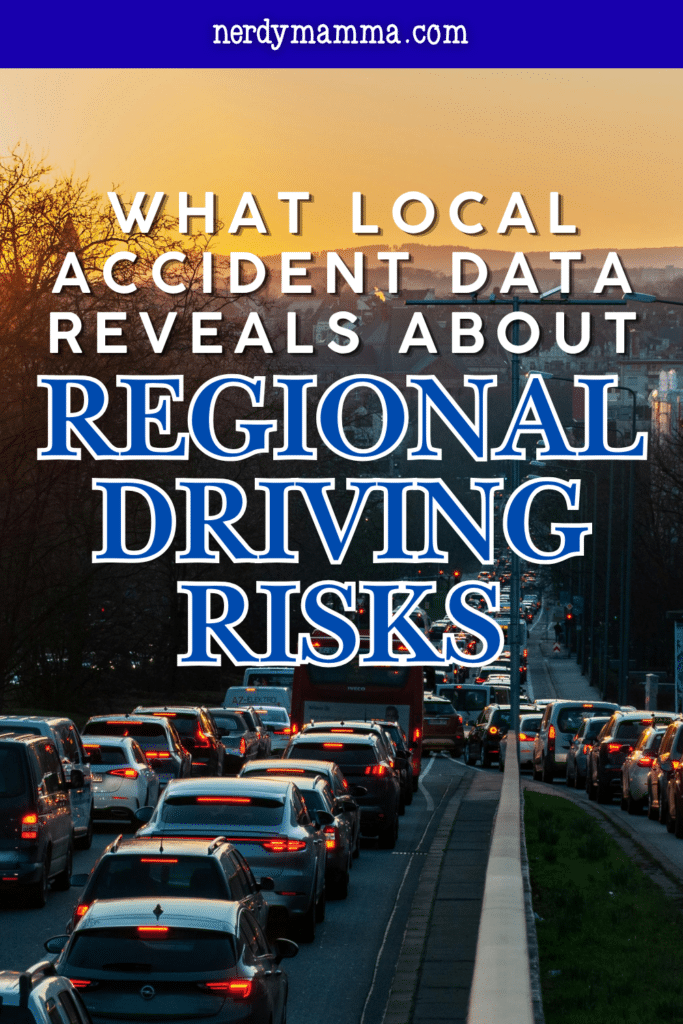
Driving through the metro area often feels like a test of patience and skill for every motorist. The dense population levels create a high volume of traffic that puts a constant strain on our existing roadway network and current safety protocols.
Local infrastructure design plays a massive role in whether a trip remains safe or turns into a tragedy. Tight curves and narrow lanes in older parts of the city often clash with the modern need for fast and efficient transportation throughout the region.
Safety officials spend countless hours analyzing trends to find ways to protect the public from harm. Looking at the latest car crash statistics provides a clear picture of which neighborhoods face the highest risks and where improvements are needed most for drivers.

Peak Hours and Commuter Risks
Identifying the specific hours when traffic incidents reach their peak is a vital part of roadway management.
Data shows that Friday afternoons and holiday weekends are particularly dangerous times for anyone trying to navigate the busy regional highways and local neighborhood streets today.
The correlation between morning commutes and the frequency of rear-end accidents is a persistent issue for the city. As thousands of people rush to reach their offices, small distractions or sudden stops often lead to collisions that disrupt the smooth flow of travel.
Patience is often the first thing lost during a congested drive, which leads to poor decision-making behind the wheel. When every driver is in a hurry, the margin for error disappears and the likelihood of a high-impact collision increases for everyone involved.
Mapping High Collision Corridors
High-collision corridors are often the product of outdated engineering meeting a modern surge in vehicle volume.
Certain stretches of the highway are known for their dangerous merge points and lack of visibility, which consistently lead to a higher number of incidents every single year.
Residential streets face a different set of challenges when compared to the high-speed environments of the local interstates.
Narrower roads and the presence of parked cars create a cluttered landscape where visibility is limited and the risk of hitting a pedestrian is much higher.
Distinguishing between these two environments allows for a more targeted approach to community safety and enforcement.
While highways need better signage and longer exit lanes, residential areas benefit from lower speed limits and better lighting to protect the families who live in the area.

The Impact of External Influences
Seasonal weather changes have a profound impact on the severity of roadway incidents across the region.
Heavy rain and thick fog can turn a routine drive into a hazardous experience, especially for those who fail to adjust their speed to the current environmental conditions.
Speeding and distracted driving remain the primary contributors to the rising number of collisions seen in recent year over year data reports. When drivers focus on their phones or exceed the speed limit, they lose the ability to react to sudden changes in traffic.
Public awareness campaigns focus on these specific behaviors to encourage a shift in how we approach our daily travels.
Reducing the rate of these preventable incidents is the most effective way to improve the overall health and safety of the local transportation network.
Data Driven Infrastructure Decisions
Municipal governments use this vast amount of data to prioritize where to spend limited public funds for road repairs. Engineers often update signals and add new lane markings to improve intersections with a history of high collision rates for local drivers.
The economic burden of these accidents on local emergency and healthcare resources is a significant concern for the community.
Every crash requires a response from police and paramedics, which pulls vital services away from other emergencies that might be happening at the same time.
Advocating for better roadway engineering is a team effort that involves both the government and the residents who use the roads. Using data to prove that a specific change will save lives is the best way to secure the funding needed for upgrades.
Conclusion
Drivers can adjust their daily habits based on the known regional hazards identified in the latest safety reports. Choosing to avoid high-risk corridors during peak hours or leaving earlier to reduce the urge to speed can make a massive difference in personal safety.
Fostering a culture of safer driving requires a commitment from every person who steps behind the wheel of a car. It is not just about following the rules, but about looking out for others and respecting the shared space on our local metropolitan roads.
Final reflections on the power of data remind us that we have the tools to create a better environment for everyone. By using these insights to guide our actions, we can move toward a future where accidents are rare and every trip is safe.