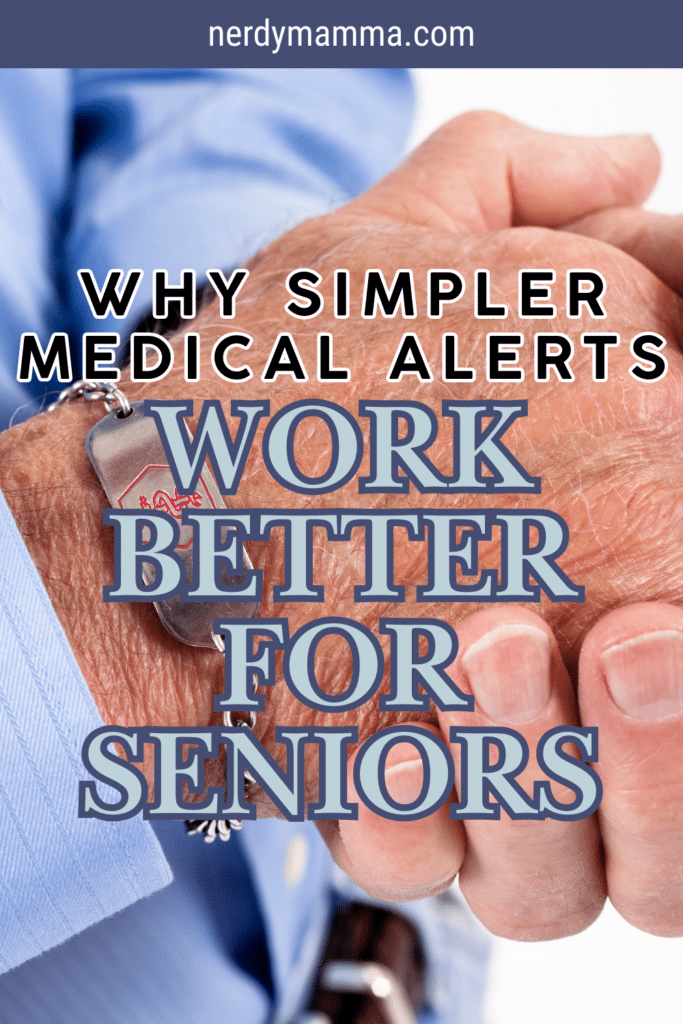
In today’s fast-paced world of relentless technological innovation, there have never been more medical alert systems in the market for seniors.
With the capability to pair with a smartphone, voice activation, global positioning, and even fall detection, the systems sound like a dream come true.
Yet, excessive complexity is a problem for some older people, not a plus. Systems less complex than this one, more oriented to simplicity, efficiency, and reliability, tend to outperform those that rely on high technology in real-world use.

Chronically independent seniors need fast, easy, and dependable options to fall back upon in emergencies.
Highly complex systems are apt to create hesitation, abuse, or abandonment. Simple medical alarms, though, are designed for the senior profile: they are easy to read, easy to use, and dependable when needed most.
This is where simplicity becomes the best option when selecting a medical alert device for seniors.
1. Greater Ease of Use Promotes Adherence
The most significant feature of any emergency device is simplicity of use. For seniors, especially those less comfortable with technology, unfamiliar with smartphones, touchscreens, and voice commands, complicated medical alerts soon become bewildering.
Devices full of buttons, tiny screens, or unclear instructions might never be used.
Basic systems, on the other hand, are easy to operate. Some use a single push button to call for assistance and eliminate the need for menu or app navigation.
This makes it easy for seniors to wear and use their devices constantly, enhancing the likelihood that they will be employed in an actual emergency condition.
Therefore, when shopping for the best medical alert for elderly, seek out systems with minimal setup and simple operation.
2. Quicker Emergency Response
Time is critical in any emergency, particularly in falls, strokes, or heart attacks. Multi-step units — unlocking, stepping through, or synchronizing — can consume valuable seconds away from receiving assistance. For older adults, every extra second is dangerous.
Typical medical alert devices provide a direct and immediate connection to a 24/7 response center. A single button press triggers the device, and then the user speaks to an operator and receives help immediately.
Some use two-way communication using the wearable device itself, so there is no need for a separate telephone.
3. Eradicates Technology-Based Phobias
Although some older adults are highly technologically literate, they may feel uneasy or hesitant to utilize new technologies.
Most seniors may be anxious about using technology, particularly Wi-Fi, downloading apps, or syncing devices to phones.
Therefore, this population might find a high-level system frightening rather than comforting. Medical alert systems that utilize a simple call button are more at ease and less threatening.
They’re more likely to be embraced by older individuals who would otherwise avoid an unfamiliar and annoying system.

4. Better Battery Life and Greater Reliability
High-tech devices suggest greater power demands. A device with Bluetooth, Wi-Fi, voice-activated, and touch screen capabilities must be recharged daily or weekly.
For someone with memory loss or blindness, charging something is forgotten, leaving older people unprotected when the device runs out.
Nonetheless, simpler systems have batteries that last weeks or months. Some are built to keep standby power running for months without repair.
Simple medical alert devices also rely on robust technology, such as landlines or cellular coverage, which is less likely to break down in rural or remote areas with poor internet coverage.
5. Economical Without Compromising Safety
Cost is an issue for most seniors, especially those on a fixed income. These more expensive systems include unexpected charges for costly hardware, app subscription fees, and technical support.
Simple medical alert systems are significantly cheaper in upfront cost and monthly charges.
They also come with the core basic features seniors need: emergency calling, fall response, and location tracking.
Affordability is not an oxymoron, even when safety is compromised. It’s making emergency services available to more elderly people without financially overstretching them.
Peace of mind also refers to the assurance that families feel in knowing their beloved is safe with an effective and efficient system.
6. Focused on What Truly Matters: Safety and Independence
Ultimately, the purpose of any medical alert system is to enable seniors to live independently and be safe.
When a device is more than an individual can handle, it may negate that independence. Seniors can become frustrated or embarrassed if they cannot use it confidently.
Basic medical alert devices do provide control for their users. They allow one to stay in one’s home, walk around the block, or go about daily activities, knowing that help is within reach with the touch of a button.
The elderly who use medical alert devices are more confident performing daily activities compared to those who don’t. The confidence boosts mental health and keeps relatives and caregivers less stressed.
Final Thoughts
It’s easy to assume that bells and whistles are the way to go in an era when technology speeds everything up faster than the speed of light. However, for seniors, simplicity is better. A medical alert system does not need to be flashy but can be dependable and functional in the seconds that matter.
The good news for older users and caregivers deliberating their options is that the best medical alert frequently does less — and does it better. If you prefer to keep things simple, you’re not giving up a lower-quality device; you’re giving up peace of mind.