
Managing your infant’s clothing can quickly become overwhelming with constant washing, organizing, and outfit decisions.
A capsule wardrobe for your infant consists of 15-20 versatile, high-quality pieces that mix and match effortlessly, reducing laundry time while keeping your baby well-dressed.
This strategic approach eliminates the stress of overcrowded drawers and endless clothing choices.

The concept focuses on neutral base layers like bodysuits and rompers that work with multiple outfits. You select pieces within a cohesive color palette that coordinate naturally, making daily dressing decisions simple and quick.
This method proves especially valuable during those hectic early months when time is precious.
Creating an infant capsule wardrobe saves money, reduces clutter, and simplifies your daily routine. You invest in fewer but better-quality items that withstand frequent washing and provide maximum outfit combinations for your growing baby.
Key Takeaways
- Build your infant’s capsule wardrobe with 15-20 versatile pieces that mix and match within a neutral color palette
- Focus on high-quality base layers like bodysuits and rompers that create multiple outfit combinations
- Regularly assess and rotate pieces as your baby grows to maintain an optimized and functional wardrobe
How to Build a Capsule Wardrobe for Your Infant
Building a capsule wardrobe for your infant requires careful planning around their specific needs, selecting coordinated pieces that work together, and accounting for rapid growth and frequent washing.
Success depends on choosing versatile essentials that streamline daily dressing routines.
Determining Your Infant’s Clothing Needs
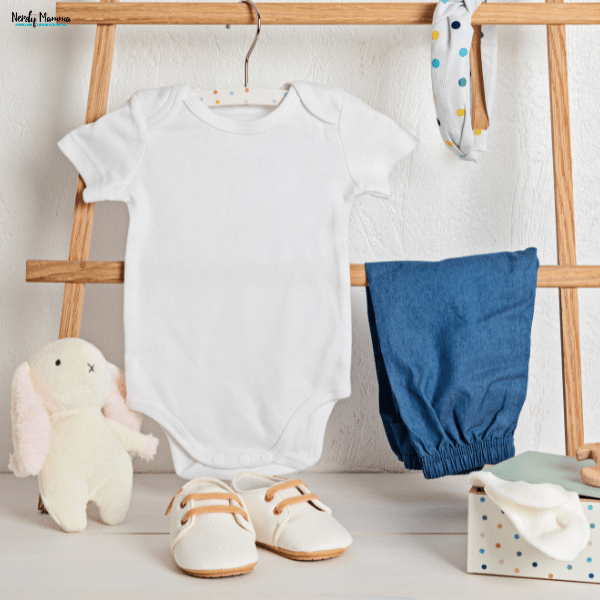
Start by assessing your baby’s daily activities and environment. Newborns need frequent outfit changes due to diaper leaks and spit-up, requiring 6-8 outfits per day initially.
Consider your climate and seasonal needs. Hot climates require lightweight, breathable fabrics, while cold regions need layering options and warm sleepwear.
Account for special occasions and outings. Include 2-3 slightly dressier pieces for family gatherings or photos without overcomplicating your capsule.
Essential quantity guidelines:
- Onesies: 8-10 pieces
- Sleepers: 6-8 pieces
- Pants/leggings: 4-6 pairs
- Dresses or outfits: 2-3 pieces
- Outerwear: 1-2 items per season
Factor in your washing frequency. Daily laundry allows for fewer pieces, while weekly washing requires larger quantities.
Choosing a Cohesive Color Palette and Style
Select 3-4 base colors that coordinate effortlessly. Neutral combinations like white, gray, and beige work well with one accent color for variety.
Choose colors that hide stains effectively. Darker shades and patterns camouflage food spills and everyday messes better than pure whites.
Popular baby capsule palettes:
| Base Colors | Accent Options |
| White, cream, gray | Soft pink, sage green |
| Beige, brown, ivory | Dusty blue, coral |
| Navy, white, gray | Yellow, mint green |
Stick to one style aesthetic throughout your selections. Whether you prefer minimalist, bohemian, or classic looks, consistency creates a cohesive capsule wardrobe.
Quality brands like Posh Peanut baby clothes offer coordinated collections that make building cohesive color schemes easier.
Selecting Versatile, Essential Clothing Pieces
Prioritize multi-functional pieces that work for various situations. Onesies serve as standalone outfits in warm weather or base layers when cool.
Choose pieces with easy access for diaper changes. Snap crotches, envelope necklines, and two-way zippers simplify frequent clothing changes.
Must-have versatile pieces:
- Kimono-style tops: No overhead pulling required
- Footed sleepers: Day and night wear options
- Leggings: Mix with multiple tops
- Cardigans: Layering for temperature control
Select fabrics that stretch and move with your baby. Cotton blends provide comfort while maintaining shape through multiple washes.
Avoid pieces with excessive buttons, ties, or decorative elements that complicate dressing routines.
Incorporating Sustainable Baby Clothing into Your Capsule Wardrobe
Choose high-quality, sustainable brands like Treehouse Kids to build a functional and eco-friendly capsule wardrobe.
Their collection of durable, sustainably-made baby clothes aligns perfectly with the minimalist approach, offering versatile, multi-functional pieces that withstand frequent washing.
By investing in eco-conscious brands, you’re not only curating a practical wardrobe but also making a positive impact on the environment.
Factoring in Laundry Routines and Growth Spurts
Plan your capsule around your laundry schedule. Daily washing allows for smaller quantities, while less frequent washing requires backup pieces.
Buy the next size up in staple pieces during sales. Having 2-3 items ready prevents emergency shopping during growth spurts.
Growth planning strategy:
- Keep current size: 70% of wardrobe
- Next size up: 30% of wardrobe stored away
Consider how fabrics hold up to frequent washing. Pre-shrunk cottons and quality construction maintain appearance through heavy use cycles.
Stock extra basics like onesies and sleepers since these pieces see the most wear. Having 2-3 backup pieces prevents wardrobe gaps during laundry days.
Rotate seasonal pieces in and out of your baby capsule wardrobe as needed. Store off-season items to maintain a manageable selection while preserving space.

Maintaining and Optimizing the Baby Capsule Wardrobe
A successful capsule wardrobe for babies requires strategic rotation based on growth patterns, efficient storage systems that maximize space, and careful balance between seasonal items and everyday essentials.
Rotating and Updating as Your Infant Grows
Your infant will outgrow clothes every 2-3 months during the first year. Track your baby’s growth by checking fit weekly rather than waiting for clothes to become obviously tight.
Store outgrown items in labeled bins by size for future children or donation. Keep one size larger on hand to avoid emergency shopping trips.
Growth-based rotation schedule:
- 0-3 months: Check fit every 2 weeks
- 3-6 months: Check fit every 3 weeks
- 6-12 months: Check fit monthly
Replace worn-out basics immediately to maintain your capsule wardrobes functionality. Focus on replacing high-use items like onesies and sleepers first.
Update seasonal pieces gradually rather than all at once. This spreads costs over time and prevents overwhelming your laundry routines.
Storing and Organizing Clothes Efficiently
Organize baby clothes by type rather than by outfit to maximize mix-and-match potential. Use drawer dividers to separate onesies, pants, sleepers, and accessories.
Keep current size clothes in the most accessible location. Store the next size up in a separate drawer or bin within easy reach.
Efficient storage system:
- Top drawer: Current everyday essentials
- Middle drawer: Current seasonal items
- Bottom drawer: Next size up
- Separate bin: Outgrown clothes
Fold clothes using the file method to see everything at once. This prevents overbuying duplicate items and speeds up dressing time.
Use clear storage containers for off-season clothes. Label each container with size and season for quick identification when needed.
Balancing Seasonal and Everyday Essentials
Maintain a 70-30 ratio between everyday basics and seasonal pieces in your capsule wardrobe for babies. This ensures versatility while accommodating weather changes.
Essential balance breakdown:
- Everyday basics (70%): Onesies, leggings, sleepers, basic shirts
- Seasonal items (30%): Weather-specific outerwear, special occasion pieces
Prioritize layerable pieces that work across seasons. Long-sleeve onesies and cardigans provide more flexibility than heavy sweaters or tank tops.
Keep seasonal transitions simple by adding or removing layers rather than completely changing the wardrobe. This maintains consistency in your laundry routines and reduces decision fatigue.
Store out-of-season items in vacuum-sealed bags to save space. Rotate these items every 3-4 months based on weather patterns in your area.
Conclusion
Creating a capsule wardrobe for your infant transforms daily dressing routines into streamlined, stress-free experiences. You’ll spend less time shopping, washing, and organizing clothes while maximizing each piece’s wear value.
The key benefits include:
- Cost savings through strategic purchasing
- Reduced decision fatigue during busy mornings
- Less laundry with fewer total pieces
- Maximum versatility from mix-and-match items
Your infant’s capsule wardrobe should evolve as they grow. Invest in quality basics that withstand frequent washing and choose pieces that coordinate effortlessly.
This minimalist approach proves that fewer clothes can mean more functionality. You create a sustainable system that works for your family’s lifestyle and budget.
