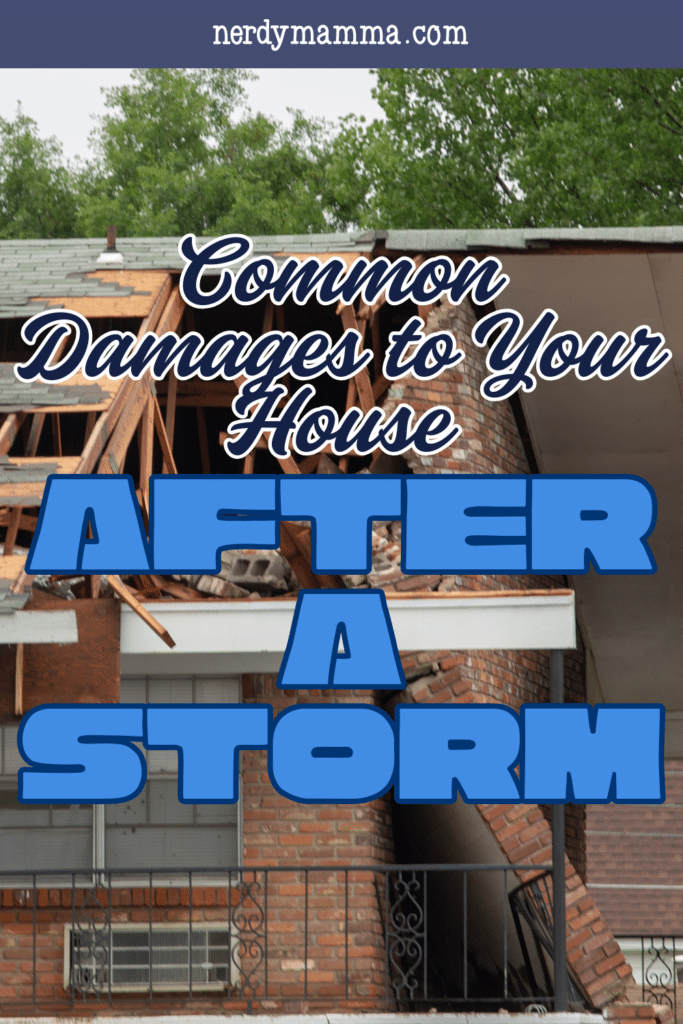
Storms are unpredictable forces of nature that can quickly cause a lot of destruction to homes. From heavy winds to torrential rainfall, their aftermath really does highlight any vulnerabilities within your property’s framework that require repair.
Recognizing the common damages caused by storms is important in taking quick action against further risks and quickly repairing your property.
In this blog, we will look at some of the most commonly seen after-storm issues and how best to approach them.

Roof Damage: The First Line of Defense
A storm’s fury hits roofs the hardest. High winds can strip away shingles, expose the underlayers, or cause structural damage to the roofing systems.
Hailstorms often dent, crack, or puncture shingle and metal roofing, so address the damage quickly to prevent leaks, water intrusion, and long-term decay. After any major weather event, inspect your roof right away for missing shingles, damaged flashing, and debris buildup in gutters.
You need to call your nearest storm damage roofing repair services right away to prevent minor leaks from causing severe structural deterioration over time. Prompt action helps secure your home before secondary weather events aggravate existing issues.
You can get roofing estimates by Mr Remodel to make sure that your roof is repaired promptly and professionally.
Water Damage: When the Rain Gets a Way Inside
Water damage is another common victim of storms, entering through roof leaks, cracked windows or compromised foundations. Flooding for low-lying areas can wreak havoc with the basements, flooring, and walls.
The excess moisture soaks through to create mold growth, foul odors and also to weaken the structural integrity over time. Visible water stains on your walls or peeling paint on the floors can indicate that there is water intrusion, which must be immediately fixed.
Broken Windows and Doors: Open Invitations for Trouble
Flying debris that was propelled by storm winds can shatter windows or dent doors, leaving your home susceptible to further weather exposure or even intruders. Cracked glass or damaged window seals can compromise the insulation and drive up your energy costs.
Investing in storm-resistant windows or shutters is a great preventive measure. Broken panes, however, must be replaced as quickly as possible in order to avoid more serious heating or cooling issues.

Foundation Issues: A Hidden Threat
Storms can have an invisible but serious effect on the foundation of your home, wreaking havoc by shifting the soil, leading to soil erosion which then results in cracks appearing in the foundation or basement walls.
This can allow water to seep in, causing floods or weakening the structural integrity over time. Regularly inspect for any newly formed cracks in the foundation walls, as this is a clear indicator.
Getting it fixed early can have you potentially avoiding more significant damages down the line.
Landscaping Messes: More Than Curb Appeal
Storms can also take their toll on your landscaping. Damaged tree branches, uprooted plants and debris being scattered across the yard can be a result of wind or heavy rainfall.
Broken branches or larger debris that collides with your home or other structures could even do serious harm. Regular tree pruning and securing your outdoor furniture before storms hit can reduce this risk a lot.
Conclusion
Storms may be inevitable, but their aftermath doesn’t need to scare you. When you understand what kind of damage your home might suffer during a storm, you can take steps to reduce the risks and act quickly with repairs.
When in doubt, get professional assessments and repairs done so the storm’s impact only lasts temporarily and not permanently.