
Are you tired of tossing and turning at night? You did everything in your power, but still, sleep won’t come to you. Worry no more! In this article, we will discuss why falling asleep sometimes is hard, and we will give you tips on things to help you fall asleep faster.
But did you know? One of the easiest ways for you to fall asleep is by creating the perfect sleep environment. We’re talking about white noise for infants, which is not only for infants but also applicable to adults.
This tool works well in masking disruptive sounds and can signal your brain that it’s time to sleep. If you want to know more things to help you fall asleep, keep on reading.
Introduction: Why Falling Asleep is Harder Than It Should Be, and How to Beat Insomnia
Falling asleep is a complicated process that takes time. In fact, falling asleep right away may actually be a sign that you aren’t well rested. After turning off the lights, it is normal to take anywhere from 10 to about 30 minutes to fall asleep, experts say.
However, if you always find it difficult to fall asleep, it can be caused by numerous factors. A person’s lifestyle, sleeping habits, and health status may all affect how fast they fall asleep.
Individuals with insomnia may have difficulty falling asleep, staying asleep, or a combination of the two. Acute insomnia can last for a few days or weeks, while chronic insomnia can last for several months.
The exact cause of insomnia can vary from person to person, but possible causes may include:
- Certain medications
- Chronic pain conditions
- Headaches and migraines
- Hormonal imbalances
- Gastrointestinal problems
- Stress or emotional disturbances
- Major life changes
Here are tips on how to combat insomnia and get a good night’s sleep:
- Get some exercise
- Be mindful of what you eat and drink before bed
- Drown out disruptive noises
- Avoid the use of technology too close to bedtime
- Wind down before bedtime
- Try meditating
The Power of Darkness: Optimizing Your Bedroom Environment (Temperature and Light)
Except for stress, pain, an uncomfortable bed and mattress, the amount of light in your bedroom also has a huge role in how fast you fall asleep. Several studies have revealed that one solution to achieving quality, uninterrupted sleep is keeping the room dark.
For years, we have wondered, is it better to sleep in the dark? And now, we know the answer to that question is yes.
The following are the benefits of sleeping in a dark room:
- It helps you fall asleep more easily
Darkness helps stimulate the production of melatonin, the hormone that helps you fall asleep quickly. Your brain is very sensitive and can detect even the slightest amount of light, and can stop the production of melatonin.
- It helps enhance your health
Sleeping in total darkness can help improve your overall health and well-being. It promotes fast metabolism, which means your body will burn more calories, thus allowing you to maintain a healthy weight.
- It enhances your mental focus
Sleeping in a dark room enables you to get quality, uninterrupted sleep for at least 6 hours, thus improving your mental focus and alertness during the day.
Tips on how to make your room dark at night:
- Install blackout blinds or curtains
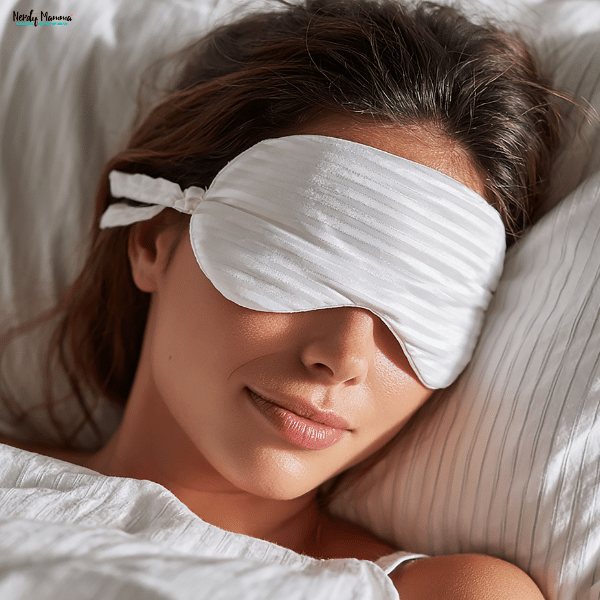
- Wear an eye mask
- Remove anything that gives off light
Other than light, room temperature can also affect how fast you fall asleep. Sleep and body control of temperature are connected together. Core body temperature follows a 24-hour cycle linked with the sleep-wake rhythm.
Body temperature decreases during nighttime sleep and rises during the wake phase. In other words, sleep is most likely to occur when core temperature decreases, and much less likely to occur during the rises.
Studies have shown how environmental heat can disturb the balance between sleep and body temperature. An ambient temperature of 22 to 23 degrees Celsius is ideal.
Any major variation in this results to disturbance of sleep with reduced slow wave sleep and also results in less dreaming sleep.
Here are tips to keep the ideal room temperature:
- Turn off the electric blanket before you go to sleep
- Don’t pile on the blankets
- Turn the heater off, but keep the AC on a timer
- Invest in a quality mattress
- Keep the window open a crack
The 4-7-8 Breathing Technique: A Simple, Proven Method to Calm Your Nervous System
If you’re still looking for things to help you fall asleep, the 4-7-8 breathing technique can help you. This breathing method was developed by Dr. Andrew Weil, and it came from the ancient yogic technique known as pranayama. To do this technique, follow the steps below:
- Place the tip of your tongue behind your upper front teeth
- Exhale completely through the mouth and make a whoosh sound
- Close your mouth and inhale through your nose while counting to four seconds in your mind
- Hold your breath and mentally count to seven seconds
- Exhale completely through your open mouth, making a whoosh sound and mentally counting to eight seconds
- Repeat at least three more times
Practice this technique at least twice a day, and don’t forget to take note of the ratio 4:7:8. You can start with no more than four breaths for the first month, and work up to eight breaths after that. Don’t panic if you feel lightheadedness at the start; it is completely normal.
The Digital Detox Rule: Why You Need to Put Down the Screens 60 Minutes Before Bed
What many people don’t realize is that the more we use our smartphones before we sleep, the harder it gets for us to fall asleep quickly.
Our screens produced a specific type of blue light. This light keeps us awake and boosts reaction times by suppressing the release of the ‘sleepy’ hormone, melatonin.
Natural blue light, like from the sun, is used by our body to determine our sleep and wake cycles, or circadian rhythm.
The artificial blue light emitted from our devices has the propensity to keep us awake even when natural blue light levels have dropped, and our bodies would normally be preparing for sleep.
It is recommended that we put down our devices an hour before we go to bed. This is to prepare our body to wind down and will allow for the proper functioning of our body’s natural circadian rhythm, making us feel sleepy when we’re supposed to be.

Harnessing White Noise: Using Sound Machines to Block Distractions and Promote Sleep
White noise for infants creates a masking effect, eliminating sudden loud noises. It works by drowning out disruptive sounds that might hinder you from falling asleep. Since it produces a steady, although unpredictable sound, it captivates your attention without needing any real focus.
Whether it’s a noisy neighbor or barking dogs, at the worst possible time, can seem even louder when you’re struggling to sleep. This is where sound machines become beneficial.
With a white noise sound playing in the background, you can have a relaxing ambient noise that can help you drift off to sleep.
The Bedroom Boundary: Keeping Your Bed Sacred (No Work or Worrying Allowed)
We all know that after a long day, it can be hard to disconnect from work and calm your mind before bed. Even if you lay on your bed at a reasonable time, your mind may still be racing through your to-do list, unanswered emails, or upcoming tasks.
The anxiety that comes from these thoughts can keep you awake, and over time, can lead to sleep loss that takes a toll on your productivity.
One of the most overlooked things to help you fall asleep is creating strong boundaries around how you use your bedroom, specifically your bed.
As tempting as it is to check your work or worry and overthink in your bed, your brain stops associating the bed with rest. Instead, it starts linking it with stress and mental activity.
Use your bed only for sleep and relaxation. As you practice this over time, your mind will start to understand that getting into bed means it is time for you to rest. Try these small habits to establish your bed only for sleep:
- Avoid working or studying in bed
- Keep your devices off the pillows and blankets
- Save deep emotional conversations for daytime
- If you keep worrying, get up and reset your mind before returning to bed
- Maintain a tidy environment to signal calmness
The Warm Soak Strategy: Using a Hot Shower or Bath to Drop Your Core Temperature
Did you know that either a warm bath or shower before bed can help you fall asleep faster and improve sleep quality? Yes, you read it right. This method works by augmenting your body’s temperature rhythm over 24 hours.
Your core body temperature changes throughout the day, as governed by the internal body clock. You tend to gradually cool by evening time, before you go to sleep.
Augmenting that natural cooling of the body’s core temperature, apparently, may be a way to promote sleep.
Moreover, studies have shown that warming your body by taking a bath can help induce sleep when there’s enough time to cool off afterward. While much of the research has focused on baths, a 20-minute shower would have similar effects, experts say.
Time your shower so you’re done about an hour and a half before you want to hit the bed. That way, by the time you lie down in bed, your body will be cool, dry, and ready for sleep.
Conclusion: Consistency is Key—Building a Relaxing Nightly Routine for Lasting Results
Not because you tried one trick in how to fall asleep quickly, you will expect instant results. Keep in mind that a consistent and calming routine will train your body and mind to wind down naturally.
Whether you rely on breathing exercises, a warm soak, white noise for infants, or other things to help you fall asleep, the key is sticking to a nightly ritual that signals your brain it is time to rest.
Over time, these small habits will solidify your sleep-wake rhythm and make falling asleep much easier. With patience and discipline, you can transform your evenings into a peaceful, restorative experience and start enjoying the deep sleep your body really needs.
