Most people think of preschool as a warm-up. A place to keep kids busy before “real” school begins. But that’s not what’s happening in those rooms. The habits children build between ages two and five, how they approach new things, handle frustration, and get along with others, tend to stick around.
Early childhood is one of the most active periods of brain development a person ever goes through. What children practice during these years gets wired in. That’s worth paying close attention to.

Curiosity Is a Habit, and It Starts Early
Children are naturally curious. The question is whether that curiosity gets encouraged or slowly trained out of them.
A good preschool feeds it. When learning happens through play, discovery, and hands-on exploration, children begin to associate learning with feeling good. They learn that asking questions leads somewhere, and that trying something new is worth it even when it doesn’t work.
That relationship with curiosity doesn’t disappear easily. Kids encouraged to explore at two and three tend to take on challenges more willingly at six, ten, and beyond.
The Social Habits Formed in Preschool Are Surprisingly Durable
Sharing. Taking turns. Listening when someone else is talking. Asking for help instead of melting down. These feel like small things, but they’re the foundation of how a child will navigate friendships, classrooms, and eventually workplaces.
Preschool is often the first time children are regularly around peers without a parent nearby. That friction, the negotiating, the conflict, the making up, is where real social learning happens.
If you’re exploring a Long Beach preschool, look for one that builds a real community, not just among the children but among families, too. When parents are connected and involved, children feel it. That sense of belonging becomes its own kind of habit.
Routines Teach More Than You Think
Children in preschool follow a daily rhythm: arrival, circle time, play, meals, outdoor time, and rest. It might seem simple, but routines are doing a lot of quiet work.
They teach children that the world is predictable and safe, build the ability to move between activities without falling apart, and create the earliest form of self-regulation a child can practice.
And self-regulation, the ability to manage impulses and emotions, is one of the strongest predictors of success in school and beyond.
What Play-Based Learning Adds
Montessori-inspired, play-based approaches take this further by letting children choose activities within a structured environment. That balance, freedom inside a framework, teaches decision-making, focus, and independence.
Children learn to sustain attention on things they’ve chosen, which carries directly into how they approach learning later on.
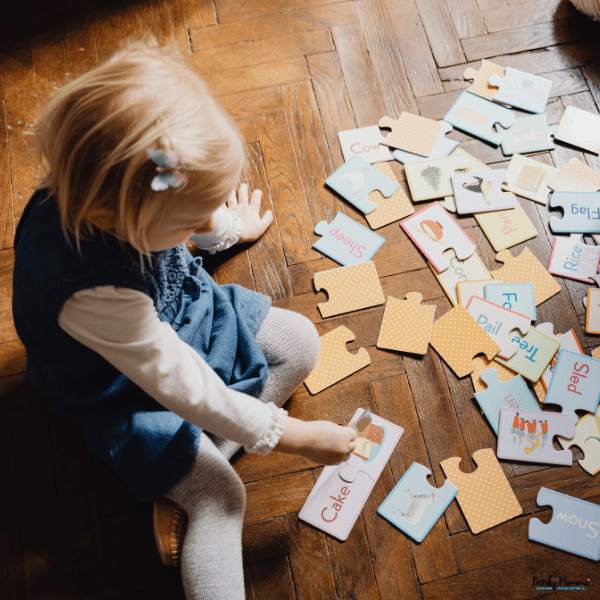
Kindergarten Readiness Is About More Than ABCs
Parents often measure preschool success by whether their child can write their name or count to twenty. Those things matter, but they’re not the full picture.
A child who walks into kindergarten knowing how to listen, follow directions, manage emotions, and engage with other kids has a real advantage, regardless of where their letter recognition stands. Academic skills catch up quickly. The habits take much longer to build.
The Environment Reinforces Everything
The physical space matters, too. Bright classrooms, access to books, computers, outdoor play areas, and a garden all send a message: interesting things happen here.
When children look forward to showing up each morning, the habits they’re building get reinforced through repetition and positive association.
It’s Not About Pressure. It’s About Foundation.
Pull it all together, and a clear picture emerges. Curiosity, encouraged early, becomes a lifelong willingness to learn. Social skills, practiced daily, become the tools children use to build relationships for the rest of their lives.
Routines build self-regulation, and self-regulation builds everything else. Play-based choice develops focus and independence long before a four-year-old has words for any of it.
None of this requires pressure, drilling letters, or racing toward milestones. It just requires the right environment: one where children feel safe, teachers genuinely know and care about them, and learning feels like something worth showing up for every morning.
That’s what a quality preschool does. Not just prepare children for kindergarten, though it does that too. It shapes how a child sees themselves as a learner and how they treat the people around them.
The early years go fast. What gets built into them tends to last much longer than most parents expect.
