
Commercial heating, ventilation, and air conditioning equipment affects comfort, respiratory conditions, moisture control, and operating costs every day. In busy buildings, small faults can strain compressors, fans, boilers, and controls before anyone notices.
A complete service plan should inspect, clean, test, and document each major function, providing facility teams with clear evidence of system condition, repair timing, and risks that could interrupt work.

Why Maintenance Matters
Buildings with long operating hours benefit from commercial HVAC maintenance services in NJ because steady care helps reduce wasted energy, temperature swings, and unexpected shutdowns.
Service planning should reflect system age, occupancy, filtration needs, outdoor air demand, and seasonal load. That record lets technicians identify early wear before parts fail under peak conditions.
Full System Inspection
A thorough visit starts with visual checks and live operation. Technicians review rooftop units, air handlers, boilers, pumps, fans, dampers, visible piping, access panels, and service clearances.
They note leaks, vibration, odors, corrosion, damaged insulation, loose guards, and unusual sounds. These observations help separate minor service needs from faults that may affect safety or uptime.
Filter and Airflow Checks
Air movement directly affects comfort, energy use, and indoor air quality. Service should include filter replacement, return checks, supply grille review, fan inspection, and airflow readings where conditions suggest imbalance.
Blocked paths can overwork motors and reduce ventilation. Balanced delivery helps occupied rooms maintain stable temperature, humidity, and fresh air.
Coil and Blower Cleaning
Coils transfer heat, so dirt on their surfaces reduces capacity quickly. Maintenance should include cleaning condenser coils, evaporator coils, blower wheels, housings, and nearby drain areas.
Technicians should remove debris, clear biological growth where present, and check for standing water. Cleaner surfaces support better cooling, humidity removal, and lower compressor strain.
Controls and Thermostats
Controls decide how equipment responds to changing indoor conditions. Technicians should test thermostats, room sensors, relays, economizers, pressure controls, and building automation signals.
Calibration is important because poor readings can cause short cycling, uneven spaces, or excessive runtime. Set points should also match actual schedules, occupancy levels, and room function.
Electrical Components
Electrical problems can stop equipment without much warning. A proper visit should include checks of wiring, contactors, capacitors, disconnects, starters, motors, and control panels.
Connections may need tightening after heat, vibration, and age loosen terminals. Technicians should look for discoloration, brittle insulation, corrosion, voltage imbalance, and changes in amperage.
Refrigerant and Pressure
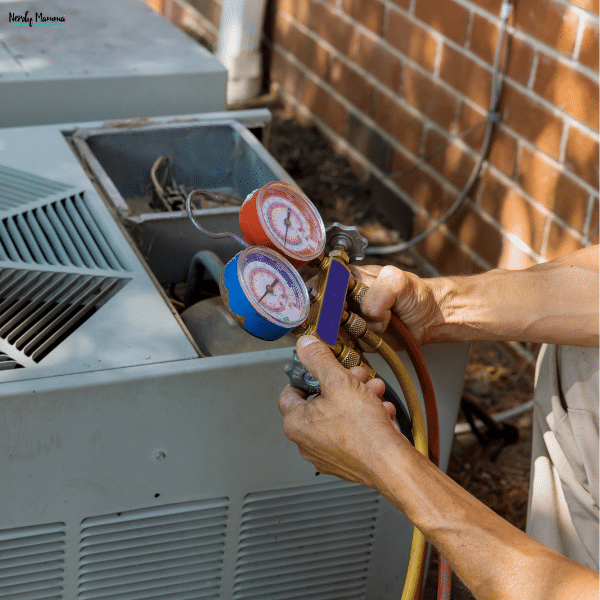
Cooling systems depend on correct refrigerant charge and stable pressure. Service should include leak checks, pressure readings, compressor review, coil temperature comparison, and line inspection.
A low charge can reduce cooling capacity and increase energy use. Overcharging can damage major components, so corrections should be based on measured data rather than guesswork.
Heating Safety
Heating inspections should happen before sustained cold weather. Technicians should review burners, heat exchangers, ignition assemblies, gas pressure, flue connections, flame quality, and safety controls.
Carbon monoxide testing is essential where combustion equipment serves occupied space. These checks protect people while improving start reliability during the first major heating demand.
Belts, Bearings, and Motors
Mechanical wear often begins quietly. Maintenance should include belt condition, pulley alignment, bearing lubrication, motor performance, vibration, and fan blade condition.
Cracked belts, loose hardware, worn bearings, and misalignment can spread stress through connected assemblies. Early correction helps prevent larger failures during high-load periods.
Drains, Pans, and Moisture
Condensate systems deserve close attention because water issues can damage ceilings, walls, and equipment. Technicians should clear drain lines, clean pans, test traps, and inspect nearby insulation.
Moisture around a unit may indicate blocked drainage, a poor slope, frozen coils, or airflow issues. Repeated findings should prompt permanent repair.
Seasonal Planning
Most commercial systems need service before the heavy cooling and heating seasons. Some buildings also require quarterly or monthly attention due to long runtime, older equipment, sensitive occupants, or strict ventilation requirements.
Spring visits should prepare cooling components. Fall visits should confirm heating safety, combustion performance, and reliable startup before colder days arrive.
Records and Reporting
Useful maintenance ends with clear records. Reports should list readings, repairs, replaced parts, safety concerns, and recommended next steps. Energy use should be compared with prior periods when data is available.
Good documentation helps facility managers plan budgets, protect warranty rights, evaluate aging equipment, and justify repair or replacement decisions.
Conclusion
Comprehensive commercial HVAC maintenance should combine inspection, cleaning, measurement, safety testing, and practical reporting. Each visit should improve comfort, support cleaner indoor air, limit energy waste, and extend equipment life.
The strongest plans reflect building size, equipment type, occupancy, and seasonal demand. With consistent service, facility teams can reduce emergency calls, protect daily operations, and keep indoor conditions steady through heavy use.