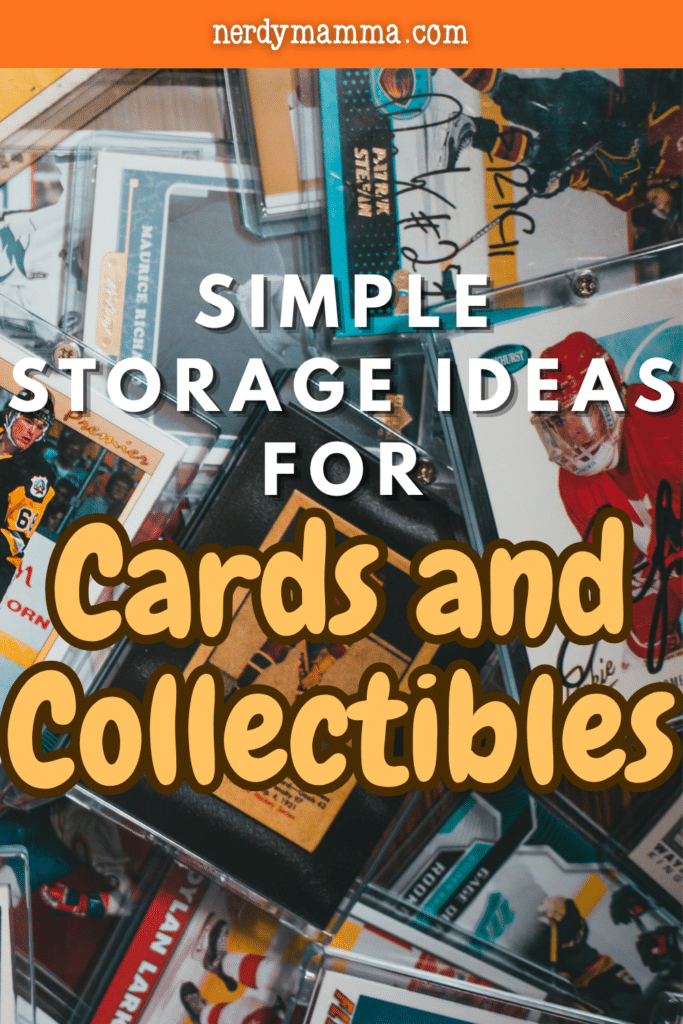
Card collections, whether trading cards, game cards, or limited-edition collectibles, require structured storage to maintain condition and long-term value. Improper storage exposes cards to bending, surface wear, humidity damage, and UV degradation.
Effective storage systems combine protection, organization, and accessibility without adding unnecessary complexity.
The following methods focus on practical, technically sound storage solutions suitable for collectors at any level.

Use Protective Sleeves as a Baseline
Direct handling is one of the primary causes of card damage. Oils, friction, and minor impacts degrade surfaces over time.
Using custom card sleeves creates a protective barrier that prevents scratches, edge wear, and contamination. Sleeves should be made from archival-safe, acid-free materials to avoid chemical degradation.
Double-sleeving—using an inner and outer sleeve—provides additional protection for valuable cards. This setup reduces exposure to both physical and environmental risks.
Sleeving is the foundational step in any storage system.
Store Cards in Rigid Containers
Once sleeved, cards require structural protection. Rigid containers prevent bending and compression, which are common during transport or stacking.
Options include plastic deck boxes, hard cases, and reinforced storage bins. These containers maintain consistent internal spacing, reducing movement that can cause wear.
Key considerations for rigid storage include:
- Internal dimensions that match card size to prevent shifting
- Durable materials that resist impact
- Secure closures to avoid accidental opening
Rigid storage ensures that cards retain their shape under pressure.
Organize Collections with Binders
Binders provide a balance between protection and accessibility. They allow collectors to view and organize cards without excessive handling.
Side-loading pages are preferred because they reduce the risk of cards slipping out. Pages should be made from non-PVC materials to prevent long-term damage.
Binders are effective for:
- Categorizing cards by set, rarity, or theme
- Displaying collections for easy browsing
- Maintaining order without removing cards from protection
This method supports both storage and presentation.
Control Environmental Conditions
Environmental factors have a direct impact on card longevity. Humidity, temperature fluctuations, and light exposure can cause warping, fading, and material breakdown.
Cards should be stored in environments with stable temperature and low humidity. Direct sunlight must be avoided to prevent UV damage.
Effective environmental control involves:
- Using silica gel or desiccants to manage moisture
- Keeping storage areas cool and consistent
- Avoiding basements or attics with variable conditions
Stable environments significantly extend the lifespan of collectibles.
Use Dividers for Large Collections
As collections grow, organization becomes more complex. Dividers help maintain structure within storage boxes or containers.
These can be labeled by category, set, or value tier. Proper labeling reduces the need to handle multiple cards when searching for specific items.
Dividers improve:
- Retrieval speed for specific cards
- Overall organization of large inventories
- Reduced handling and associated wear
Structured categorization supports efficient collection management.

Separate High-Value Cards
High-value or rare cards require additional protection beyond standard storage. These items should be isolated to prevent accidental damage.
Toploaders or magnetic holders provide rigid, individual protection. These cases prevent bending and shield edges from impact.
Storing valuable cards separately also reduces handling frequency, preserving condition over time.
Implement Storage Rotation and Access Control
Frequent handling increases the risk of damage. Rotating which cards are accessed regularly helps distribute wear across the collection.
Cards used for gameplay or display should be separated from those kept purely for preservation. This reduces unnecessary exposure for high-value items.
Access control strategies include:
- Maintaining separate storage for active and archived cards
- Limiting handling to necessary situations
- Using designated areas for viewing or sorting
Controlled access preserves condition while maintaining usability.
Use Compact Storage for Space Efficiency
Efficient storage systems maximize capacity without compromising protection. Compact boxes designed specifically for cards allow dense storage while maintaining organization.
Stackable containers optimize vertical space, making them suitable for growing collections. However, stacking should not introduce excessive pressure on lower layers.
Space efficiency ensures that collections remain manageable as they expand.
Labeling and Inventory Tracking
Accurate labeling is essential for managing large collections. Without it, locating specific cards becomes time-consuming and increases handling risk.
Labels should be clear, consistent, and aligned with the chosen organization system. Digital inventory tracking can further enhance management by providing searchable records.
Tracking systems support:
- Quick identification of card locations
- Monitoring of collection growth
- Improved organization across multiple storage units
Clear labeling reduces inefficiencies and improves control.
Long-Term Preservation Strategies
Long-term storage requires a combination of all previous methods. Protection, environmental control, and organization must work together.
Inspect cards periodically to ensure storage conditions remain effective. Address any signs of damage or environmental impact immediately.
Preservation strategies focus on maintaining both physical condition and value over time.
Storing cards and collectibles effectively requires a structured system that combines protection, organization, and environmental control.
Sleeves, rigid containers, and binders form the core of this system, while proper handling and storage conditions ensure long-term preservation.
By implementing these methods, collectors can maintain the integrity and value of their collections while keeping them accessible and well-organized.