
Florida’s roads are constantly busy with commuters, tourists, commercial vehicles, and families traveling between the state’s many cities and coastal communities.
While most journeys end safely, car accidents remain an unfortunate reality that can leave victims dealing with painful injuries, financial hardship, and uncertainty about what comes next.
In many cases, recovering compensation depends not only on showing that an accident occurred but also on demonstrating who was legally responsible for causing it.
Understanding what information carries the greatest weight can help injured individuals protect their rights and make informed decisions throughout the claims process. The Blakeley Miami car accident lawyers assist clients in evaluating available evidence and developing a clear strategy to support their claims.
With experienced legal guidance, accident victims can pursue accountability with greater confidence and a stronger foundation for recovery.
Early Legal Context
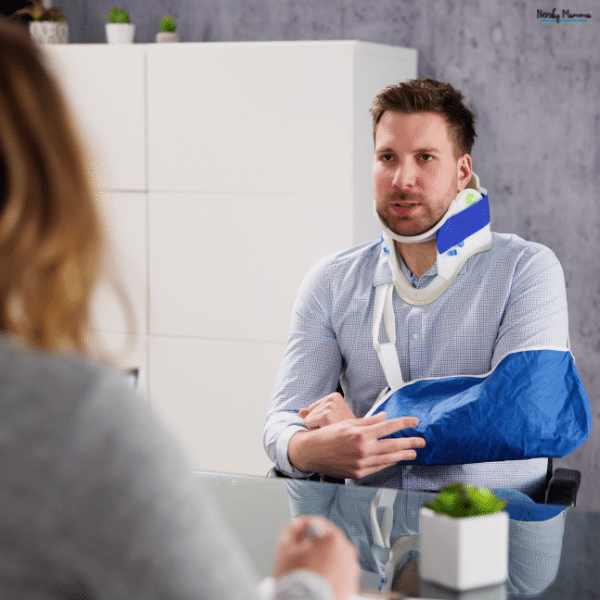
Florida crash claims often involve insurance rules, injury thresholds, and disputed blame. A claimant may contact car accident lawyers after preserving scene photos, treatment records, repair estimates, and witness names.
That context helps legal teams assess fault, compare statements, and decide whether more proof is needed before negotiations begin.
Police Reports
A police report can record names, insurance details, road conditions, citations, and officer observations. It may include a diagram, driver statements, and possible contributing factors.
Although the report may not determine legal fault alone, it provides claims with a reliable starting point. Fast access matters because memories fade and later statements may change.
Scene Photos
Photos can show vehicle positions, skid marks, debris, traffic lights, lane markings, and weather. Wide shots explain the area, while close images capture damage patterns. Time-stamped pictures strengthen credibility.
Clear angles can reveal whether one driver failed to yield, followed too closely, crossed a line, or ignored a signal.
Video Footage
Video may come from dash cameras, nearby businesses, doorbell cameras, public traffic systems, or rideshare vehicles.
Footage can confirm speed, lane movement, impact points, and signal timing. Quick requests are important because many systems erase clips within days. Even a short recording can resolve a dispute over right-of-way.
Witness Statements
Neutral witnesses can describe actions that the injured parties or drivers missed. Their accounts may cover speeding, distraction, sudden turns, lane changes, or aggressive driving.
Names, phone numbers, and written summaries should be saved early. Independent statements often carry weight because they come from people without a direct financial stake.
Medical Records
Medical records connect the crash to injuries. Emergency notes, imaging results, diagnoses, prescriptions, therapy plans, and follow-up visits can show severity and timing.
Consistent treatment helps answer claims that pain came from another source. Gaps in care may create questions, so documented reasons for delays can matter.

Vehicle Damage
Damage patterns can support a fault theory. Rear damage may fit a following-too-close claim, while side damage may point to an unsafe turn.
Repair estimates, mechanic notes, airbag deployment records, and total-loss reports help explain the crash force. Photos taken before repairs preserve details that may disappear later.
Electronic Data
Modern vehicles may store data on speed, braking, steering, seat belt use, and impact. Phone records can also show possible distraction, though access often requires proper legal steps.
Rideshare logs, delivery records, and navigation history may place a driver at key times. Digital proof should be preserved before deletion or overwriting.
Road and Weather Conditions
Road design, construction zones, poor lighting, missing signs, rain, standing water, or blocked views can affect the fault.
Weather reports, maintenance records, and location photos help explain hazards. These facts may show why a driver should have slowed down or used extra care. They may also identify another responsible party.
Expert Analysis
Some crashes require expert review, especially if the case makes for an impending lawsuit. Accident reconstruction specialists can study measurements, damage, vehicle data, and physical marks.
Medical experts can explain the cause of the injury and future care. Economic experts may calculate lost income or reduced earning ability. Expert opinions are strongest when based on solid records, not assumptions.
Preserving Proof
Useful proof can vanish quickly. Vehicles are repaired, camera files are overwritten, and witnesses become hard to locate.
Injured people should save photos, receipts, messages, claim letters, and medical paperwork in one place. A simple timeline also helps connect each event. Organized records reduce confusion during settlement talks or litigation.
Conclusion
Proving fault takes more than saying another driver caused the crash. A persuasive claim links conduct, impact, injuries, and losses through dependable proof. Police reports, photos, video, witnesses, medical records, evidence of damage, and digital data can each answer a different question.
The strongest files are gathered early, kept organized, and reviewed with care, so blame is shown through facts rather than guesswork.
