
Building a healthier home involves making thoughtful choices about air, water, and materials to create a safe and comfortable living space. Healthy homes support physical well-being and can reduce the risk of illness or discomfort for all residents.
Prioritizing improvements in these areas lays the groundwork for an environment where everyone can thrive and flourish.
A healthier home requires awareness of potential indoor hazards and proactive steps to minimize them. Introducing effective air filtration, keeping water sources clean, and choosing non-toxic materials can help protect your household’s health.
Changes both small and large, can significantly improve day-to-day well-being for all family members.
Promoting Clean Indoor Air Quality
Air quality inside the home directly impacts respiratory health and comfort. Everyday activities, such as cooking and cleaning, can introduce pollutants to the indoor environment.
To minimize these effects, ensure that your home is well ventilated by using exhaust fans and regularly opening windows to circulate fresh air.
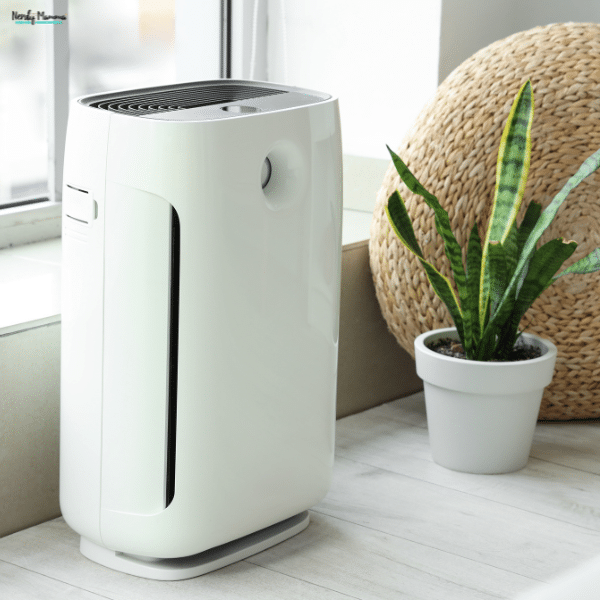
Incorporating high-efficiency particulate air (HEPA) filters in central heating and cooling systems, or using standalone air purifiers, can further reduce dust, allergens, and airborne microbes.
Keeping indoor plants, vacuuming with HEPA-equipped machines, and avoiding harsh chemical cleaners also help maintain a comfortable and breathable space for everyone.
Regular maintenance of your HVAC system plays a crucial role in sustaining optimal air quality throughout the year. Schedule professional inspections at least annually to ensure ducts are clean and free from mold, dust buildup, or pest infiltration.
Additionally, controlling humidity levels between 30-50% helps prevent mold growth and dust mite proliferation, both of which can trigger allergies and respiratory issues.
Consider using a hygrometer to monitor moisture levels and employ dehumidifiers in damp areas like basements or bathrooms to maintain a balanced indoor environment.
Ensuring Safe and Reliable Water Quality
Safe drinking water is fundamental to a healthy household. Municipal supplies can sometimes be disrupted by pipe breaks or contamination, while private wells may be vulnerable to local runoff or power outages.
Using a robust big berkey water filter system reduces risks and offers reassurance even during emergencies. Families can integrate easy checks into their routines, like changing filters according to manufacturer instructions and storing backups in case of unexpected outages.
Advanced systems allow for on-demand purification, serving both daily and emergency needs. By consistently monitoring water safety, you create a foundation for healthier hydration and food preparation.

Choosing Low-Toxicity Materials and Safe Cleaning Habits
Construction and decorating materials, as well as common cleaning products, can contribute to indoor pollutants and negatively affect health.
Select paints that are labeled low- or zero-VOC (volatile organic compounds), and choose flooring made from natural or certified sources to limit exposure to potentially harmful substances.
Opt for fragrance-free or naturally derived cleaning products to further reduce indoor chemical load. Store household chemicals out of reach of children and label them clearly to prevent accidental exposure.
Simple adjustments in purchasing and storage habits can contribute to a cleaner, safer environment throughout your home.
Establishing Healthy Everyday Routines for Long-Term Well-Being
Consistent routines help maintain the healthier conditions you have established.
Develop regular schedules for cleaning, filter replacement, and home inspections to prevent issues from accumulating. Involving all household members in these routines not only divides responsibility but also encourages healthy habits.
Periodically reassess your home with an eye toward improvement—whether by checking for sources of moisture, testing smoke and carbon monoxide alarms, or updating storage for water and cleaning products.
Small, ongoing efforts build resilience and can help everyone feel more secure. By making health and safety a family priority, you help ensure your home remains a place where well-being can flourish.
